

Archive · 20 Aug 2025
Danube: The River Crossing Ten Countries and Connecting Millions
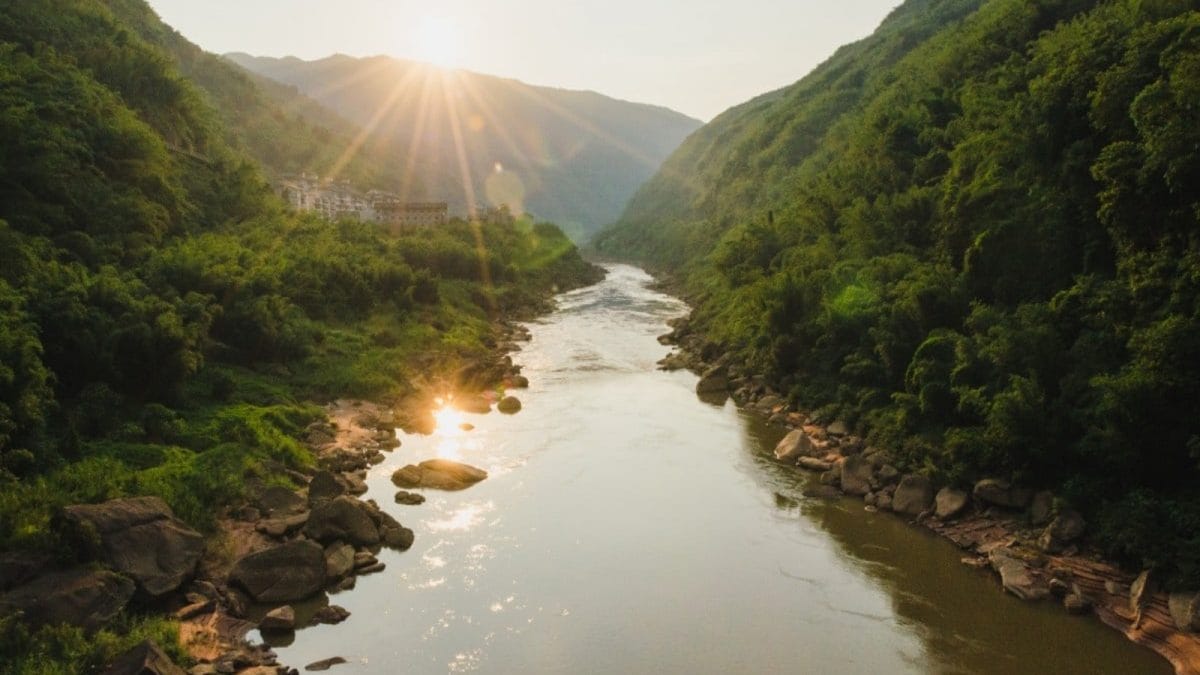
The Danube is a long river that's special because it flows through ten different countries in Europe.
It starts small in Germany and grows as it travels through many lands, becoming a lifeline for cities and towns.
It passes through four capital cities and has been important for trade, acting as a bridge between different cultures.
The river is also a part of Europe's history, having been a boundary and a route for empires.
Today, it is used for trade and energy.
It's also a source of inspiration in music and art.
While the river brings benefits, it faces challenges from pollution.
Overall, the Danube connects people and places across Europe.

The Danube River flows through ten countries in Europe, making it unique globally.
It originates in Germany's Black Forest and empties into the Black Sea.
The river passes through four national capitals: Vienna, Bratislava, Budapest, and Belgrade.
The Danube serves as a vital economic artery, connecting to the Rhine via the Main-Danube Canal.
The river is also a cultural symbol and is celebrated in music, art, and literature.
- Who
- The Danube is a natural feature.
- What
- The Danube River, a major European river.
- When
- The article was published on August 20, 2025.
- Where
- The Danube flows across ten European countries.
- Why
- The Danube is an important part of European history, culture, and economy.
Environmental Concerns
Economic and Cultural Significance
Environmental Impact and Conservation
Environmental Concerns
Industrial waste, agricultural runoff, and urban pollution are damaging the river's health.
Economic and Cultural Significance
International conservation efforts are underway to restore ecosystems, improve water quality, and protect biodiversity.
- Countries Crossed
- 10
- Source
- Black Forest, Germany
- Length
- 2,860 km
- National Capitals Passed Through
- 4
- Tributaries
- Over 300
- Delta Location
- Romania and Ukraine