Archive · 2 Oct 2026
Andhra Pradesh High Court Quashes 34% BC Quota, Orders Polls
The Andhra Pradesh government wanted to reserve more local election seats for Backward Classes, called BCs.
It proposed 34% reservations in rural areas and 33.33% in urban areas.
The High Court cancelled the government orders.
The court said all reservations together must stay within a 50% limit.
It also said the survey used by the government was not scientifically strong enough to support going beyond that limit.
The court told the government and election authorities to start local elections within six weeks.
It said an ongoing review of voter lists was not a reason to postpone the elections.
The court also rejected requests to wait for a BC census or sub-categorisation.
The government had said BCs made up about 50.42% of the state’s population and that the quota would improve their political representation.

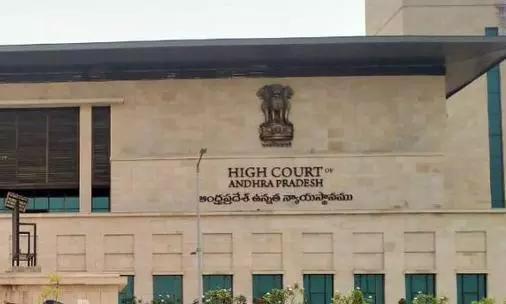
The Andhra Pradesh High Court quashed government orders proposing 34% BC reservation in rural local bodies and 33.33% in urban bodies.
The court ruled that total reservations must remain within the Supreme Court’s 50% ceiling.
It found that the Unified Family Survey did not provide scientifically valid data to justify reservations exceeding that ceiling.
The court directed the state government and State Election Commission to begin local body elections within six weeks.
The court dismissed pleas seeking to delay elections for electoral-roll revision, a BC census, or BC sub-categorisation.
- Who
- The Andhra Pradesh government, Andhra Pradesh High Court, State Election Commission, BC communities, and petitioners including advocate Tandava Yogesh and BC Welfare Union president Kesana Sankara Rao.
- What
- The High Court quashed orders increasing BC reservations in local body elections and directed authorities to begin the election process within six weeks.
- When
- The verdict was pronounced on Thursday; the reservation increase had been approved in August 2026.
- Where
- Andhra Pradesh’s rural and urban local bodies.
- Why
- The court said the orders exceeded or failed to comply with the Supreme Court’s 50% reservation ceiling and were not supported by valid empirical data.
Government and BC Representation
Reservation Ceiling and Legal Compliance
Basis for increased reservation
Government and BC Representation
The government said the quota reflected BC numerical strength, community diversity, geographical distribution, and findings from the Unified Family Survey. Chief Minister N Chandrababu Naidu described the move as a correction intended to increase BC political participation.
Reservation Ceiling and Legal Compliance
The petitioners argued that the proposed quotas would take total reservations beyond the 50% ceiling. The High Court held that the survey data was not scientifically valid for supporting reservations beyond that limit.
Timing of local elections
Government and BC Representation
A YSRCP petition and other pleas sought to defer elections until processes including Special Intensive Revision, a BC census, or BC sub-categorisation were completed.
Reservation Ceiling and Legal Compliance
The High Court said these processes were not barriers to elections and directed the government and State Election Commission to begin the process within six weeks.
Implementation after the ruling
Government and BC Representation
Sources reported that the government may avoid appealing and could ask political parties to allocate 34% of their seats to BC candidates.
Reservation Ceiling and Legal Compliance
The court advised the government to review BC reservations and align them with earlier Supreme Court judgments and the applicable ceiling.
- Rural BC reservation proposed
- 34%
- Urban BC reservation proposed
- 33.33%
- Existing BC reservation
- 24.15% in local bodies
- Reservation ceiling
- 50%, under Supreme Court guidelines cited by the High Court
- Election directive
- The State Election Commission must begin the process within six weeks
- Population figure cited by government
- BCs were estimated to comprise about 50.42% of Andhra Pradesh’s population
- Survey cited
- The Unified Family Survey