

Archive · 22 Jan 2026
Uttarakhand Bans Summer Paddy Farming to Save Water
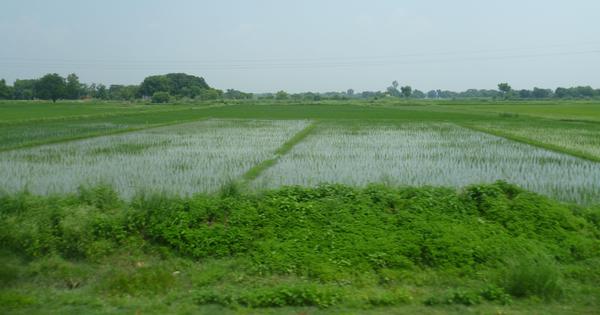
Farmers in a district in Uttarakhand, India, have stopped growing paddy (rice) in the summer.
The local government made this rule to save water.
Paddy needs a lot of water, and farmers were using too much groundwater.
This made the water table go down and the soil less productive.
Farmers are now trying to grow other crops like sugarcane and maize, which need less water.
Some farmers are worried about making less money, but they hope the government will help them sell these new crops at good prices.
The government is also checking industries to make sure they are not polluting the water.

Uttarakhand's Udham Singh Nagar district banned summer paddy farming to conserve groundwater.
Paddy farming in February-April was draining the water table and reducing soil productivity.
Farmers are shifting to less water-intensive crops like sugarcane and maize.
The ban has led to concerns about lower incomes, but farmers hope for government support.
Industries in the region are also being monitored for water pollution.
- Who
- Farmers in Udham Singh Nagar district, Uttarakhand
- What
- Ban on summer paddy farming to conserve groundwater
- When
- Ban reissued for 2026, effective February 1 to April 30
- Where
- Udham Singh Nagar district, Uttarakhand, India
- Why
- To prevent excessive groundwater depletion and soil degradation
- District
- Udham Singh Nagar, Uttarakhand
- Ban Period
- February 1 to April 30
- Primary Crop
- Paddy (rice)
- Water Usage
- 43% of groundwater for irrigation
- Alternative Crops
- Sugarcane, Maize
- Minimum Support Price (MSP) for Paddy
- Rs 2,389 per quintal
- Groundwater Level Status
- Critical in some blocks since 2016
- Industrial Groundwater Usage
- Less than 10% of total extractable groundwater