Archive · 29 Sep 2026
Jammu and Kashmir Bureaucrats Challenge Statehood Resolution Before Assembly Debate
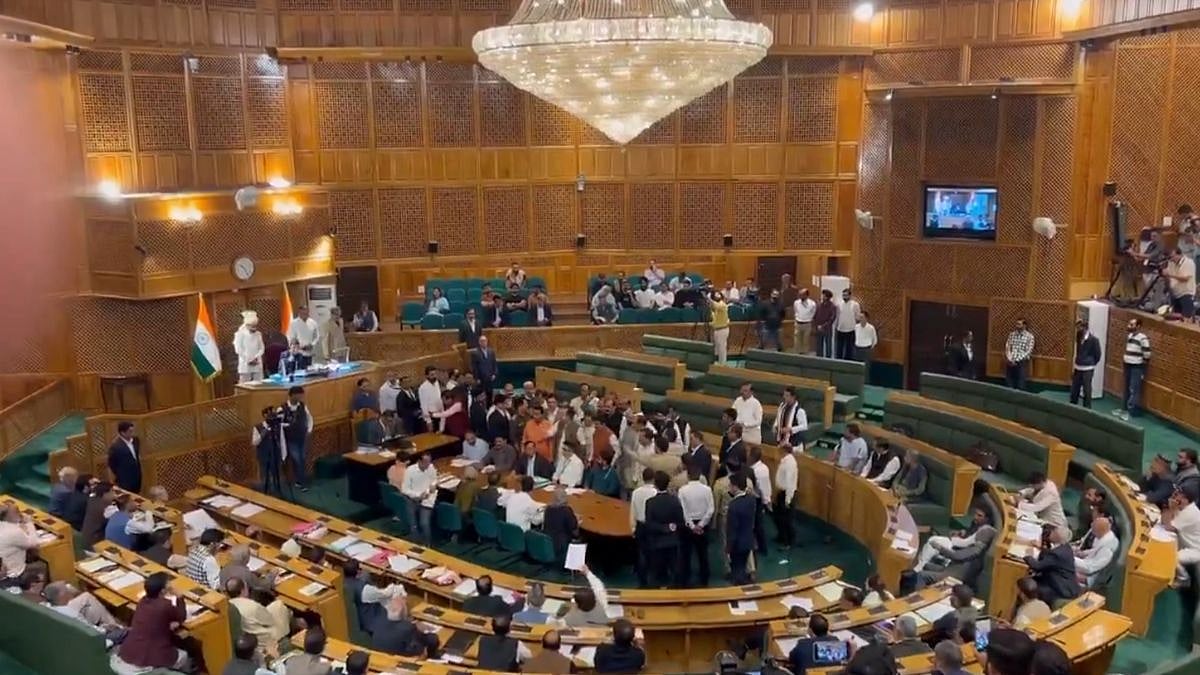
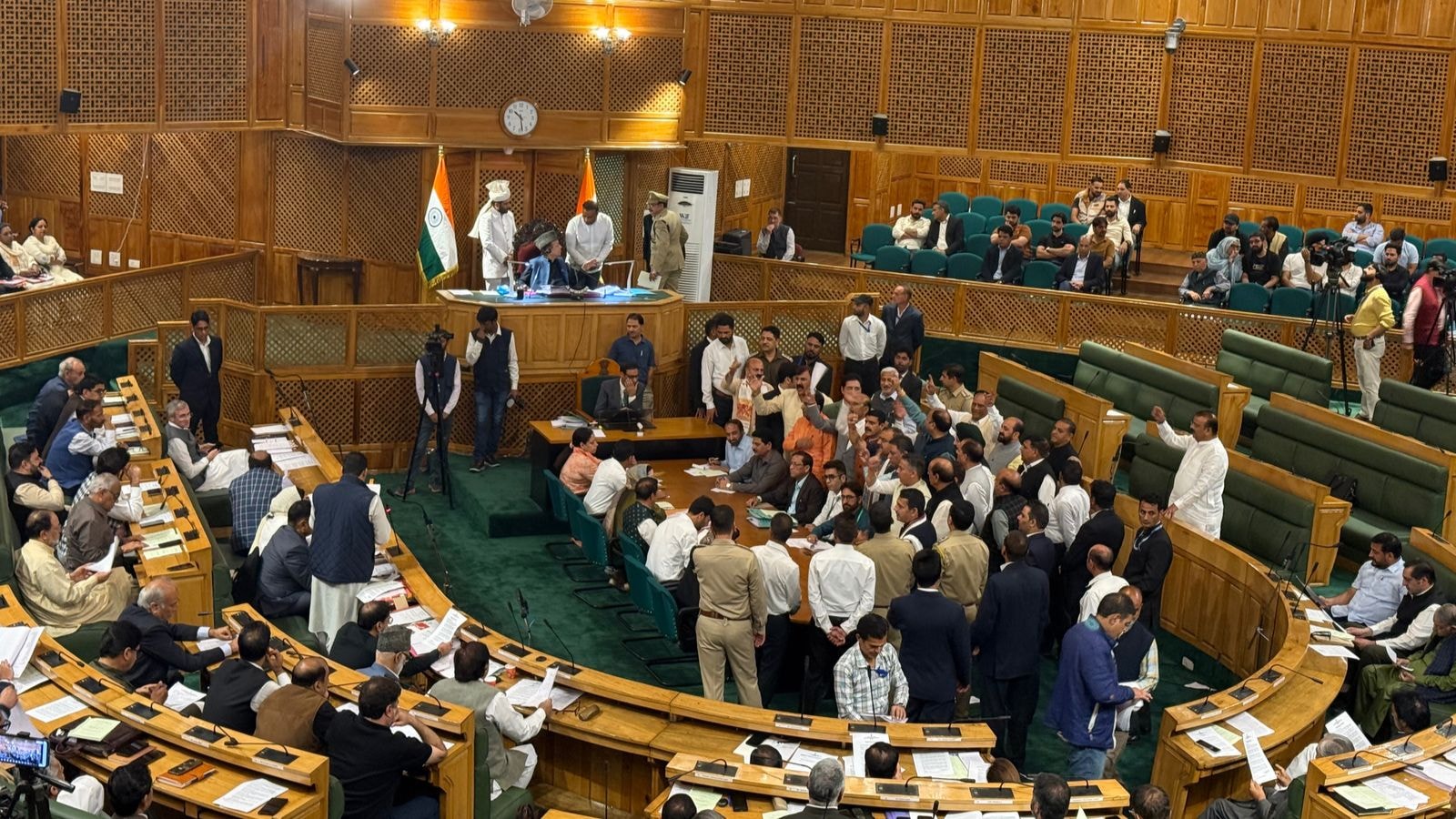
Jammu and Kashmir’s Assembly wanted to discuss bringing back the region’s statehood.
Before the discussion, two senior officials sent letters asking that the proposal be stopped.
They said the issue was sub judice, meaning it was connected to a matter being considered legally.
The Speaker said he had not seen bureaucrats intervene this way before.
A legislator said the letters challenged the Speaker’s authority.
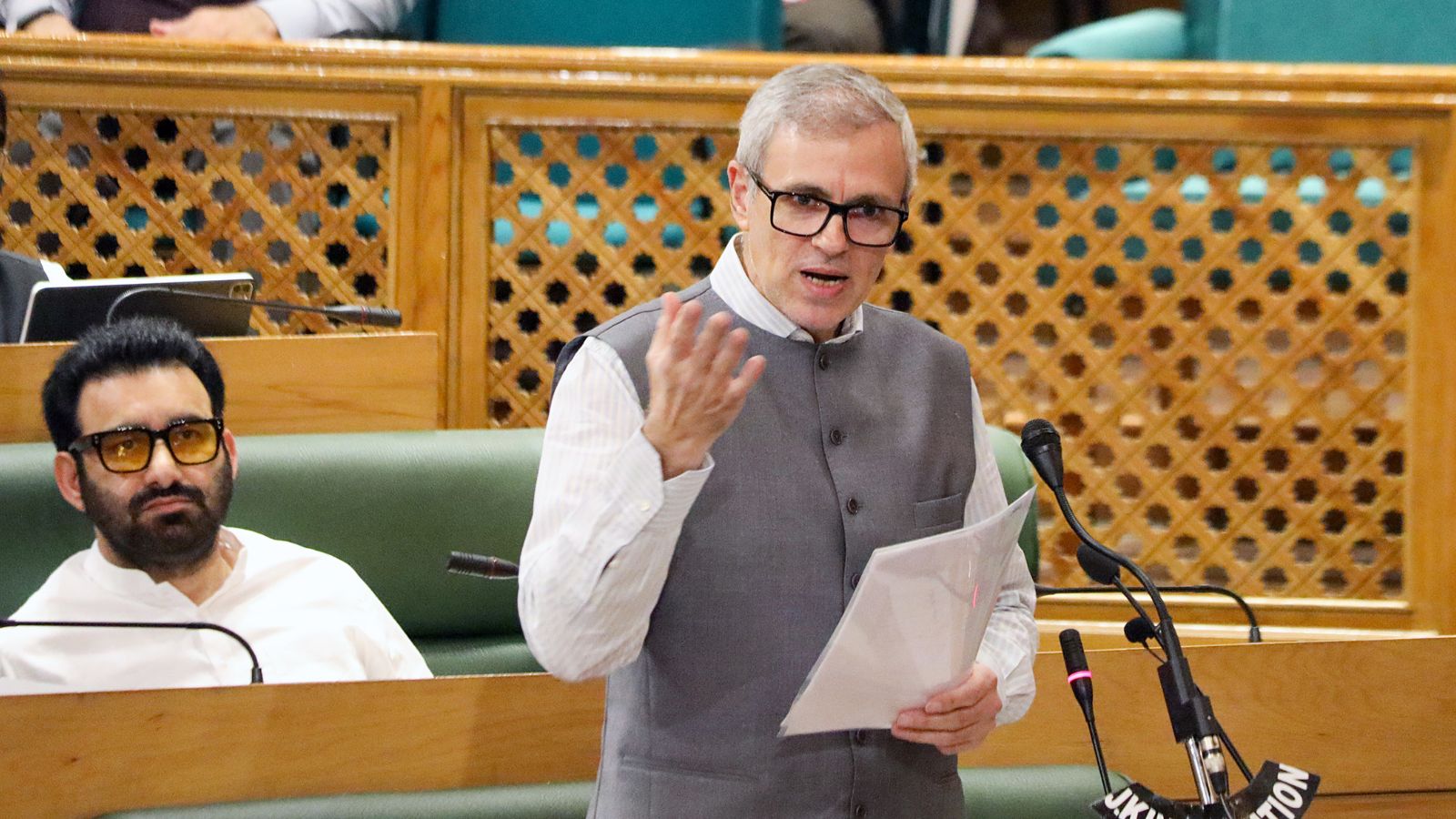
Chief Minister Omar Abdullah said he did not know about the letters before the Assembly Secretariat told him.
He said this showed the effects of Jammu and Kashmir being a Union Territory without full statehood.
The Assembly passed the resolution after Bharatiya Janata Party members walked out.

Chief Secretary Atal Duloo and Law Secretary Achal Sethi asked the Assembly Secretariat to disallow Omar Abdullah’s statehood resolution.
The officials argued that the matter was sub judice and should not be discussed in the Assembly.
Speaker Abdul Rahim Rather called the communications an unprecedented attempt to interfere with the House’s functioning.
Congress legislator Nizamu-ud-din Bhat described the letters as bureaucratic overreach and questioned whether the House was an Assembly or a panchayat.
Omar Abdullah said he had not approved or known about the letters, while the Assembly passed the resolution after Bharatiya Janata Party members walked out.
- Who
- Chief Minister and Law Minister Omar Abdullah, Speaker Abdul Rahim Rather, Chief Secretary Atal Duloo, Law Secretary Achal Sethi, and Assembly legislators were involved; Bharatiya Janata Party members walked out.
- What
- Senior officials asked that a resolution seeking restoration of full statehood be disallowed, but the Assembly passed it.
- When
- The letters were sent three days after the resolution was moved and admitted, shortly before the Assembly debated it; the issue was reported in the House on Monday and Tuesday.
- Where
- The dispute took place in the Jammu and Kashmir Legislative Assembly and its Secretariat.
- Why
- The officials said the resolution concerned a sub judice matter, while the Speaker and legislators said the communications improperly challenged the Assembly’s authority.
Assembly and Statehood Supporters
Bureaucratic Legal Objection
Whether the resolution could be debated
Assembly and Statehood Supporters
Omar Abdullah, Abdul Rahim Rather, and legislators who supported the resolution said the Assembly should conduct its business and objected to the officials’ intervention.
Bureaucratic Legal Objection
Atal Duloo and Achal Sethi said the matter was sub judice and that the resolution should therefore be disallowed.
Whether the letters were appropriate
Assembly and Statehood Supporters
Rather and Nizamu-ud-din Bhat viewed the communications as an improper challenge to the Speaker and the House’s authority.
Bureaucratic Legal Objection
The officials’ letters conveyed their legal objection to the Assembly Secretariat, arguing that the resolution could not be taken up because of its legal status.
What the episode indicates about governance
Assembly and Statehood Supporters
Abdullah said the communications showed the consequences of Jammu and Kashmir continuing without full statehood and questioned why the bureaucracy acted against his resolution.
Bureaucratic Legal Objection
The reports provide no separate bureaucratic position on Abdullah’s broader claims about statehood, public humiliation, or who directed the communications.
- Resolution sponsor
- Chief Minister Omar Abdullah
- Officials who objected
- Chief Secretary Atal Duloo and Law Secretary Achal Sethi
- Officials’ argument
- The statehood issue was sub judice and should not be discussed in the House.
- Speaker’s response
- Abdul Rahim Rather said there was no precedent for bureaucrats intervening in Assembly proceedings in this way.
- Legislative criticism
- Congress legislator Nizamu-ud-din Bhat called the letters bureaucratic overreach and said they challenged the Speaker’s powers.
- Omar Abdullah’s position
- He said he had not known about or approved the communications and questioned whose instructions prompted them.
- Assembly outcome
- The resolution was passed after Bharatiya Janata Party members walked out.