9 months ago
Superconductors: Zero Resistance and Magnetic Levitation
In 1911, a scientist named Heike Kamerlingh Onnes found that when he cooled mercury to very low temperatures, it lost all electrical resistance.
This means electricity could flow through it without losing any energy.
This special state is called superconductivity.
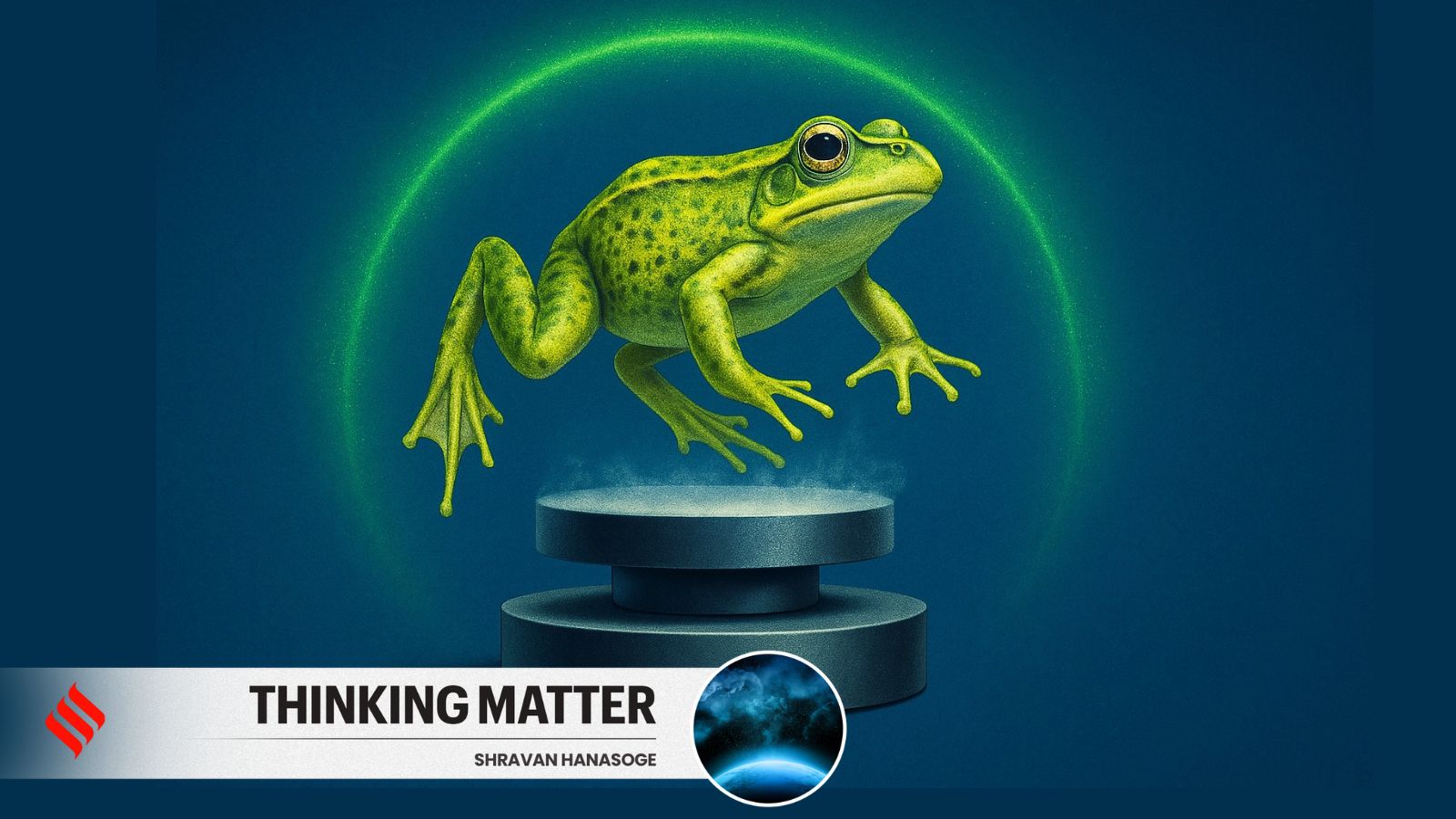
Superconductors also push out magnetic fields, which can make magnets float above them.
Scientists use three tests to confirm superconductivity: zero resistance, expulsion of magnetic fields, and magnetic levitation.
In 1957, three physicists explained why this happens, earning a Nobel Prize in 1972.
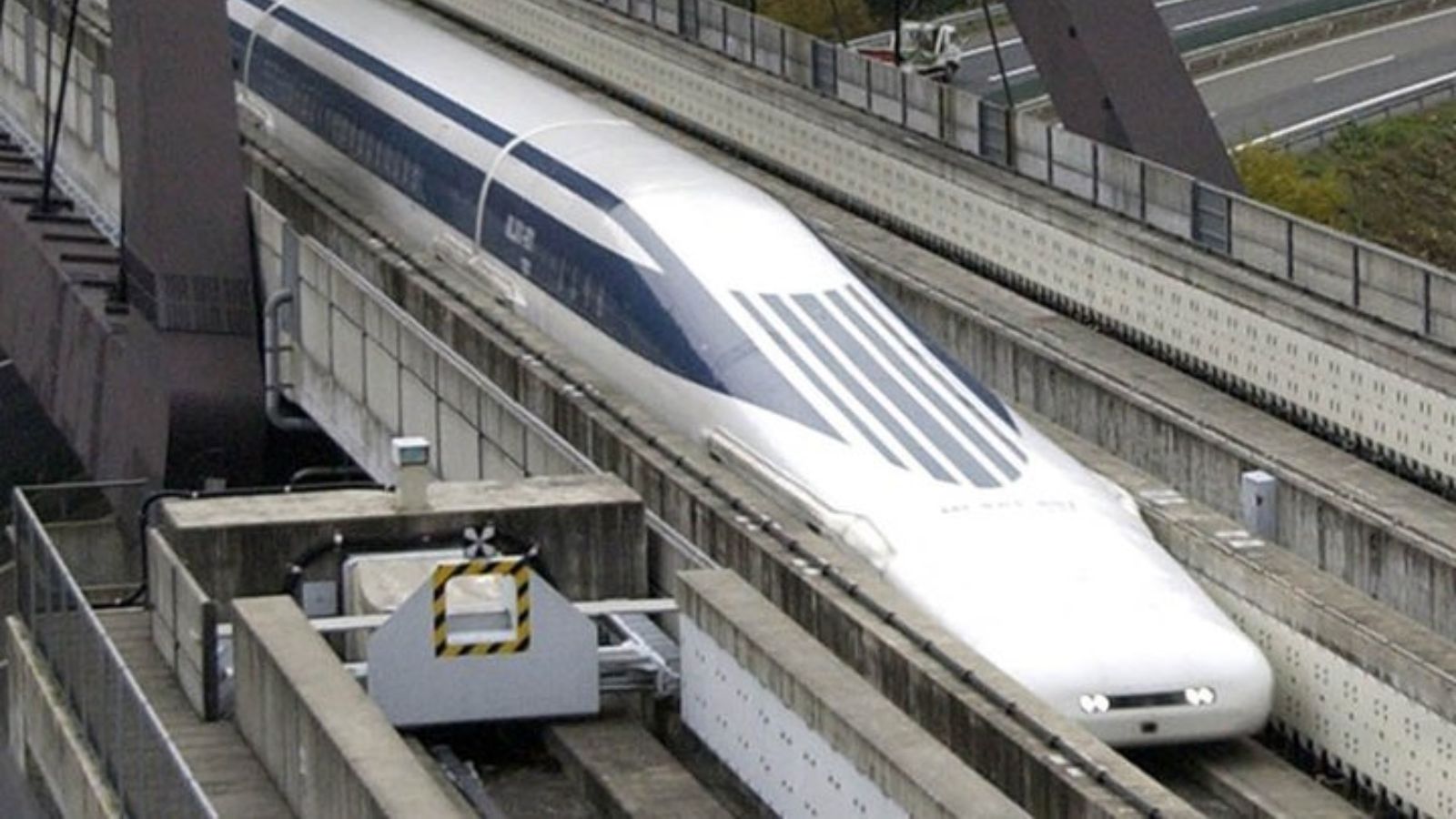
Superconductors are used in many technologies like MRI machines, high-speed trains, and quantum computers.
If we find a superconductor that works at room temperature, it could change the world by making everything more energy-efficient.

Superconductivity was discovered in 1911 by Heike Kamerlingh Onnes when he cooled mercury to near absolute zero.
Superconductors have zero electrical resistance and expel magnetic fields, known as the Meissner effect.
Three tests confirm superconductivity: zero resistance, magnetic field expulsion, and magnetic levitation.
BCS theory, developed in 1957, explains superconductivity through the formation of Cooper pairs.
Superconductors are used in MRI machines, Maglev trains, particle accelerators, quantum computers, and fusion reactors.
- Who
- Heike Kamerlingh Onnes and later John Bardeen, Leon Cooper, and Robert Schrieffer
- What
- Discovery of superconductivity and its effects
- Where
- Netherlands (initial discovery), various labs worldwide (subsequent research)
- When
- 1911 (discovery), 1957 (BCS theory), 1972 (Nobel Prize)
- Why
- To understand and utilize the phenomenon of zero electrical resistance and magnetic levitation
Key facts
- Discovery Year
- 1911
- Discoverer
- Heike Kamerlingh Onnes
- Key Effect
- Meissner Effect
- Nobel Prize Year
- 1972
- Nobel Laureates
- John Bardeen, Leon Cooper, Robert Schrieffer
- Applications
- MRI machines, Maglev trains, Particle accelerators, Quantum computers, Fusion reactors
Quotes

Heike Kamerlingh Onnes
Dutch physicist who discovered superconductivity
“Mercury has passed into a new state.”
 indianexpress.com
John Clarke
Physicist reflecting on early superconducting circuits
“We could watch quantum behaviour unfold in a device large enough to solder.”
indianexpress.com

K. Alex Müller
Nobel laureate who helped discover high-temperature superconductors
“It was as if nature were waiting for us to look in the right place.”
indianexpress.com