

Archive · 23 Dec 2025
Ants Sacrifice Individual Protection for Larger Colonies
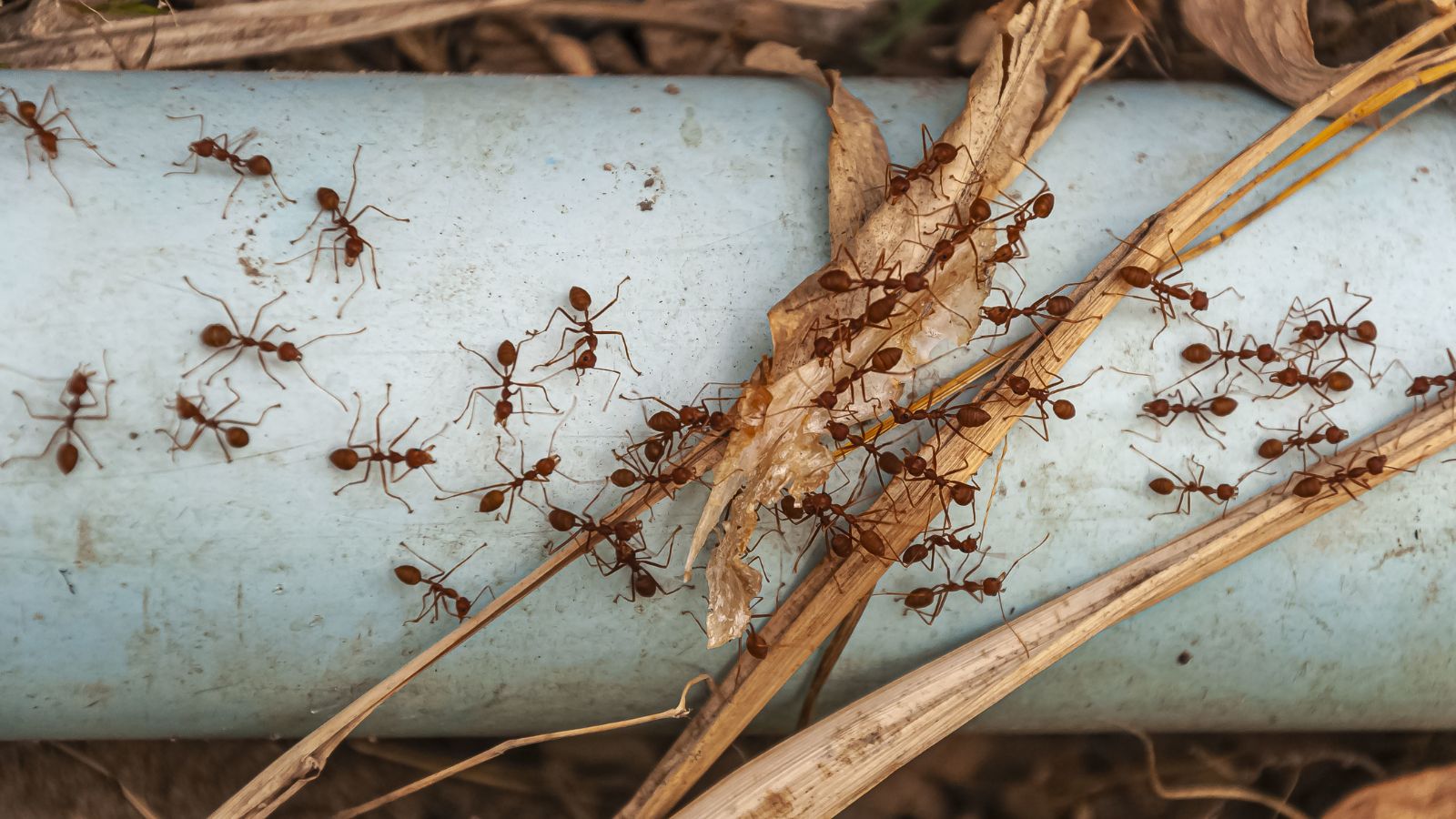
Scientists found that some ants have evolved to have weaker outer shells, called cuticles.
This makes each ant less protected, but it allows the colony to have more ants.
More ants mean the colony can work together better and take over new places.
The study looked at over 500 ant species and found that ants with thinner cuticles usually have bigger colonies.
This shows that sometimes, being many and working together is better than being strong alone.
The researchers think this could teach us about how other groups, like humans, have also succeeded by working together in large numbers.

Ants have evolved to reduce investment in their protective cuticle to grow larger colonies.
Larger colonies with thinner-cuticled ants show greater social complexity and evolutionary success.
The study analyzed 3D X-ray scans of over 500 ant species, finding cuticle volume ranges from 6% to 35% of body volume.
Reduced cuticle investment allows colonies to produce more ants, enhancing collective defense and cooperation.
Ant lineages with cheaper workers tend to diversify into new species more frequently.
- Who
- Researchers from the University of Maryland and the University of Cambridge
- What
- Ants have evolved to reduce individual protection to grow larger colonies
- When
- Study published on December 19
- Where
- Research conducted on various ant species worldwide
- Why
- To understand the evolutionary success of ant societies
- Study Publication Date
- December 19
- Journal
- Science Advances
- Lead Author
- Arthur Matte
- Senior Author
- Evan Economo
- Number of Ant Species Studied
- 500+
- Cuticle Volume Range
- 6% to 35% of body volume
- Key Finding
- Larger colonies correlate with reduced cuticle investment