

2 weeks ago
Maharashtra rolls back ban on protests by tribal hostel students
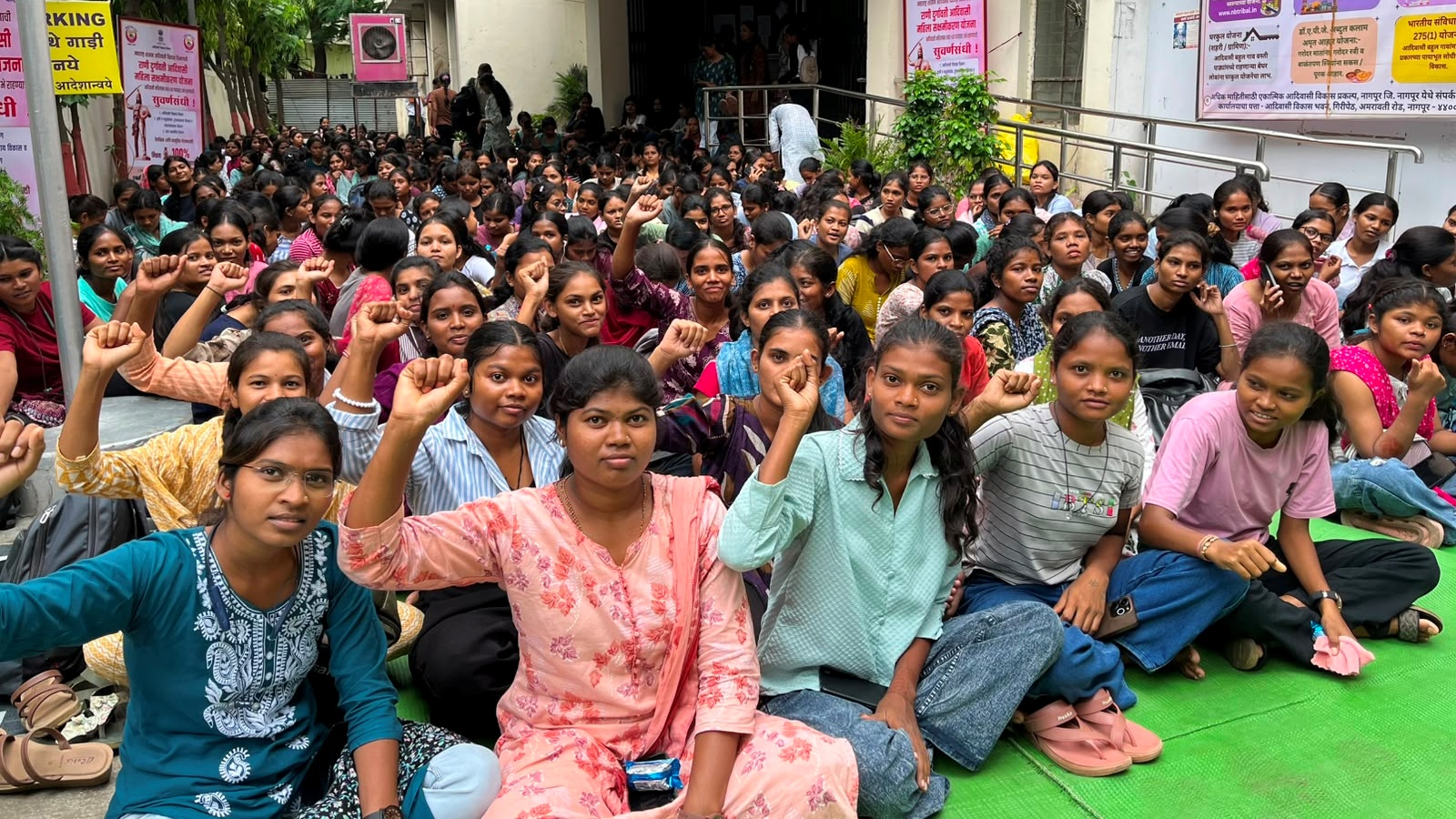
The state of Maharashtra in India made a new rule for tribal students who live in government hostels.
The rule said they could not take part in protests, hunger strikes, or protest marches.
It also said students older than 26 could not join these hostels.
Many students were upset because they felt the rule took away their right to speak up.
More than a thousand students sat outside a government office in the city of Nagpur to protest, and similar protests happened in other places.
Government leaders talked with the students, including a long meeting with the tribal development minister.
After the talks, the government changed the rule.
Students can now protest again, and the age limit for hostel admission is now 30.
But the students are still not fully happy.
They want the age limit removed completely and say they will keep protesting until then.

Maharashtra has rolled back a rule banning tribal students in government hostels from joining hunger strikes and protest marches.
The revised Government Resolution raises the maximum age for admission to Scheduled Tribe hostels from 26 to 30 years.
More than 1,000 ST students staged a sit-in in Nagpur, with similar protests held across the state.
Officials called the restrictions a first-time measure to maintain an academic environment, while students called them a threat to freedom of expression.
The agitation has not ended, with students demanding the removal of the age limit altogether.
- Who
- Scheduled Tribe (ST) students in Maharashtra and the state government's Tribal Development Department, including Minister Ashok Uike.
- What
- The Maharashtra government rolled back a ban on protests by ST hostel students and raised the hostel admission age limit from 26 to 30.
- Where
- Maharashtra, India; a major sit-in was held outside the Additional Commissioner (Tribal Development) office in Nagpur.
- When
- Following protests triggered by the August 5 Government Resolution; the revised resolution was issued on Friday.
- Why
- Students argued the provisions threatened their freedom of expression and posed practical difficulties, prompting talks and the rollback.
State Government
Protesting Students
Protesting inside hostels
State Government
The explicit prohibition on hunger strikes and protest marches was introduced for the first time to maintain an academic environment and keep students focused on education.
Protesting Students
Banning protests threatens the right to freedom of expression, and protests are essential because female students often struggle to get grievances addressed through wardens.
Age limit for hostel admission
State Government
The 26-year cap assumed ST students finish their courses by that age, and the limit was raised to 30 in line with the Pandit Deendayal Upadhyay Swayam Yojana.
Protesting Students
The age restriction should be removed entirely, and the agitation will continue until that demand is met.
Key facts
- State
- Maharashtra, India
- Original Government Resolution
- Issued August 5; introduced the protest ban and 26-year age limit
- Rolled-back measure
- Ban on hunger strikes, protest marches and similar activities in ST hostels
- New admission age limit
- 30 years, up from 26
- Nagpur sit-in
- More than 1,000 ST students
- Government hostels
- 494 sanctioned; 490 operational
- Key officials
- Tribal Development Minister Ashok Uike; Department Secretary Vijay Waghmare
Quotes
Protesting student
Student activist in Maharashtra
“"We will continue the agitation and decide the further course of action soon," a protesting student said.”
 indianexpress.com
“"In such cases, staging a protest becomes important," she said.”
indianexpress.com
Sources
Related news
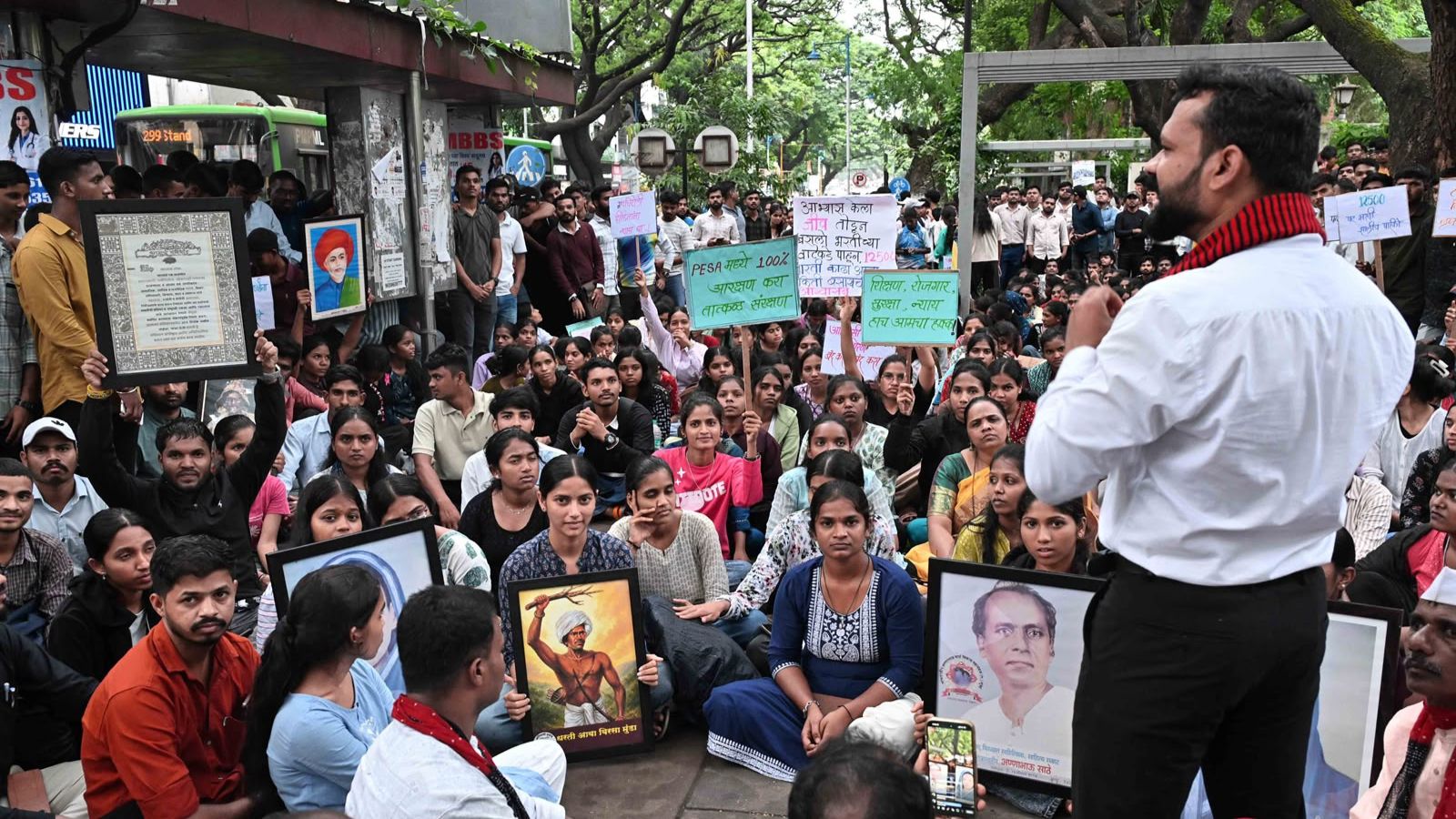
Maharashtra Scraps Tribal Hostel Age Cap After Student Agitation

Maharashtra Withdraws Tribal Hostel Rules, Removes Age Restriction

Tribal Students’ Hunger Strike Continues Over Hostel Rules, Welfare

Rahul Gandhi urges Fadnavis to address tribal students' protest

Tribal Students’ Pune Hostel Protest Enters Twelfth Day

Pune Tribal Students’ Protest Enters Day 13, Opposition Backs Demands
Maharashtra Government Accepts Demands of Protesting Tribal Students
Maharashtra Government Offers Assurances After Tribal Students’ Hunger Strike
Critically Ill Tribal Girl Fuels Maharashtra School Protests
Tribal Hostel Hunger Strike Enters Fifteenth Day