

Archive · 22 Jul 2026
Indian Democracy Under Fire: Police Violence and Protest Suppression
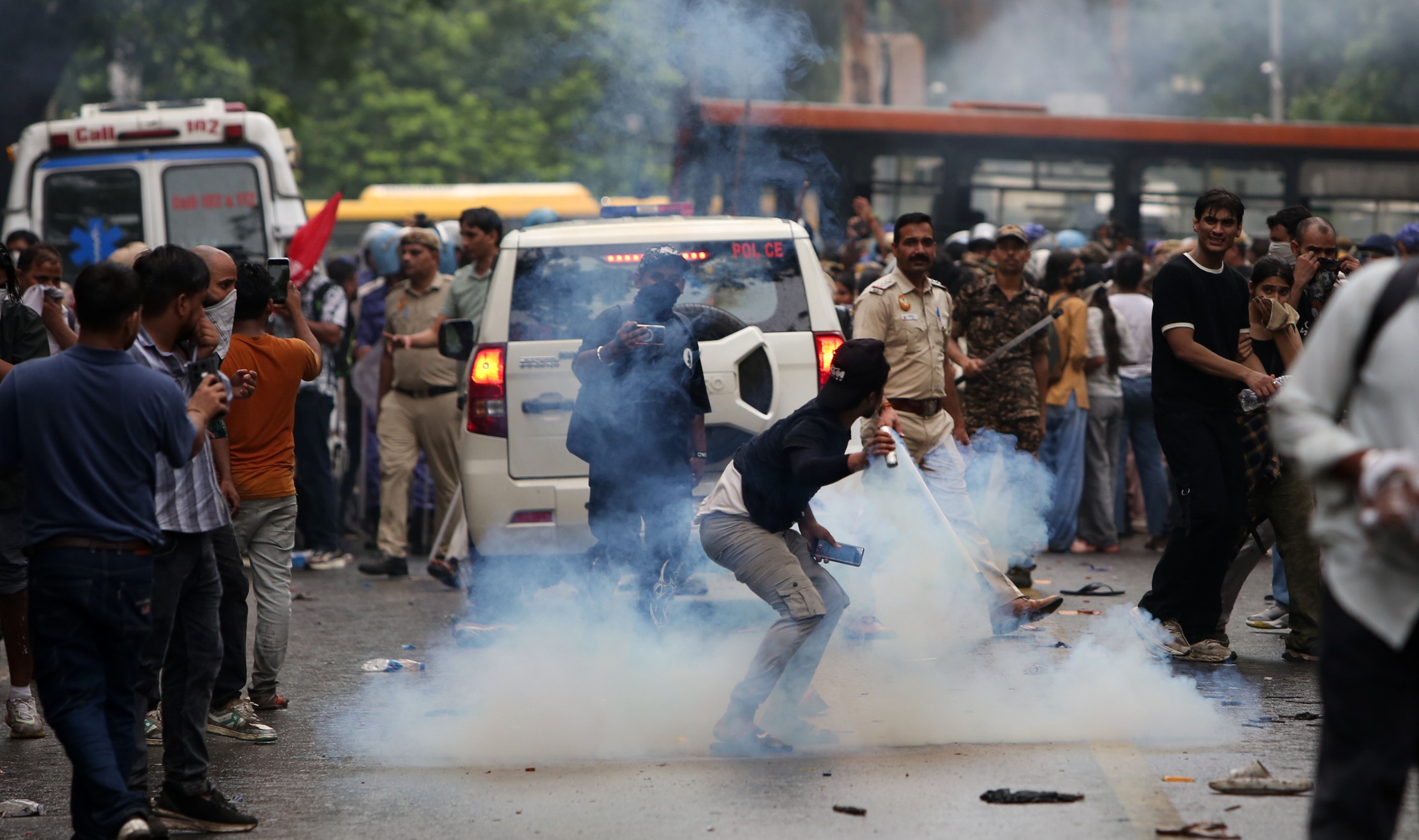
In India, young students and activists have been protesting peacefully to demand that the government listen to their concerns about important issues.
However, instead of talking to them, the police have used violence, hitting protesters with sticks and even arresting them.
One of the protest leaders, Sonam Wangchuk, has been on a hunger strike for three weeks, but the government has not engaged in dialogue.
Instead, they forcibly removed him from the protest site, claiming it was for medical reasons.
The opposition in Parliament has tried to discuss these issues, but the government has refused.
This has made many people worried about the state of democracy in India, as the government seems more interested in silencing protests than addressing the concerns of its citizens.

Peaceful protesters, including young students and activists, were met with police violence, including lathi charges and detentions.
Sonam Wangchuk, a prominent protest leader, was forcibly removed from the protest site under the guise of medical necessity.
Nearly 100 protesters were injured, with many requiring hospital treatment.
The government has refused to engage in dialogue with protesters or allow parliamentary debate on the issues.
The opposition has condemned the government's actions and demanded accountability for the use of excessive force.
- Who
- Protesters, primarily young students and activists, led by Sonam Wangchuk and supported by Rahul Gandhi
- What
- Peaceful protests demanding accountability on issues affecting their futures, met with police violence and detentions
- When
- Recent days, with Sonam Wangchuk on a three-week hunger strike
- Where
- Jantar Mantar, New Delhi, and other locations in the national capital
- Why
- To address grievances and demand accountability from the government, but met with suppression and lack of dialogue
Protesters and Opposition
Government and Police
Use of Force
Protesters and Opposition
Condemn the excessive use of force by police against peaceful protesters, including lathi charges and detentions.
Government and Police
Justify the use of force as necessary to maintain public order and prevent unrest.
Dialogue and Engagement
Protesters and Opposition
Demand immediate dialogue and engagement with protest leaders to address their grievances.
Government and Police
Avoid direct engagement with protesters, preferring to handle the situation through law enforcement.
Parliamentary Debate
Protesters and Opposition
Insist on parliamentary debate to discuss the issues raised by protesters and the use of force by police.
Government and Police
Reject calls for parliamentary debate, maintaining that the government's actions are justified and do not require further discussion.
- Location
- New Delhi, India
- Protest Leaders
- Sonam Wangchuk, Rahul Gandhi
- Injuries
- Nearly 100 protesters injured, including fractures and contusions
- Government Response
- Forcible removal of protesters, including Sonam Wangchuk, under the guise of medical necessity
- Parliamentary Response
- Rejection of opposition notices for debate on the issues