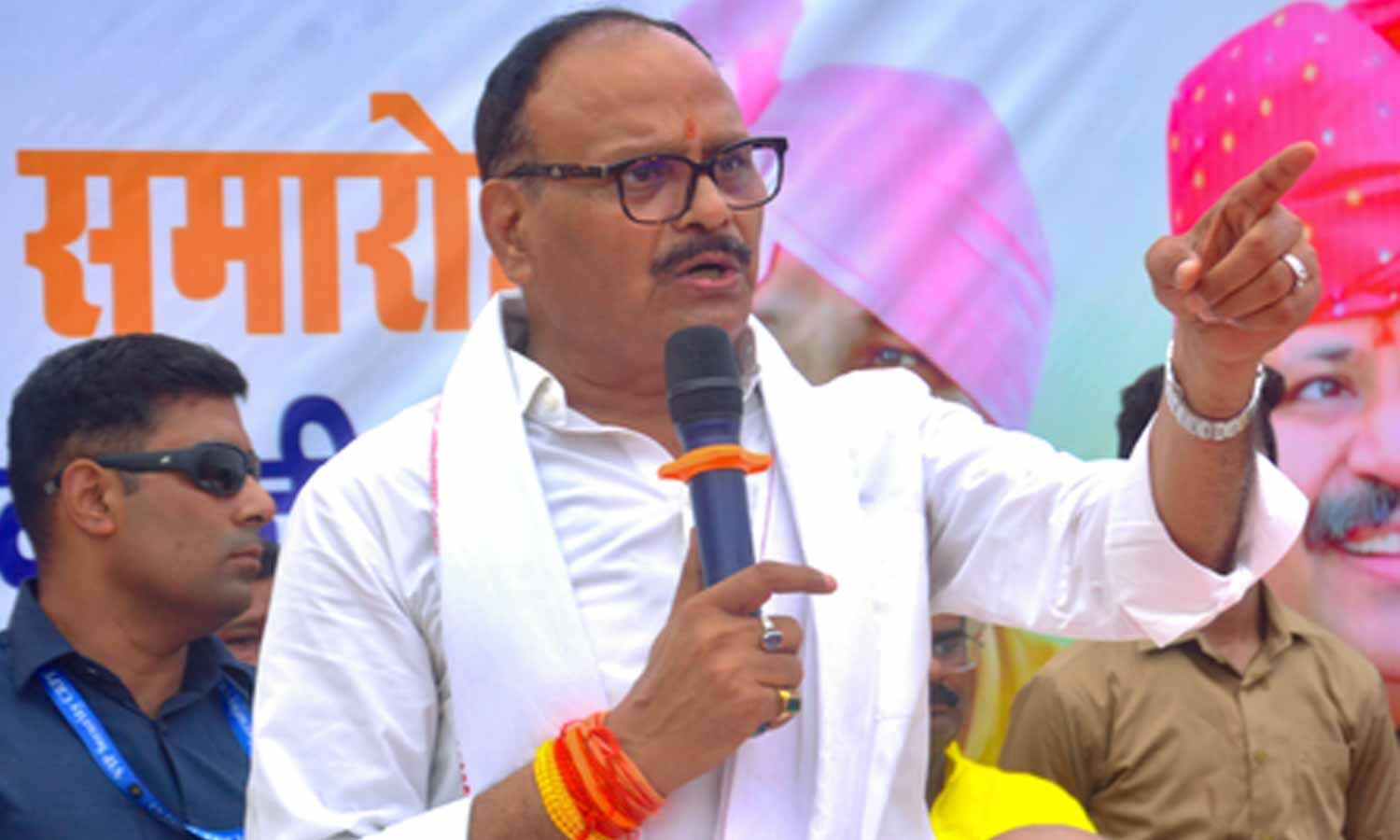
Archive · 26 Sep 2026
Brajesh Pathak Urges Uttar Pradesh Doctors to Use Hindi
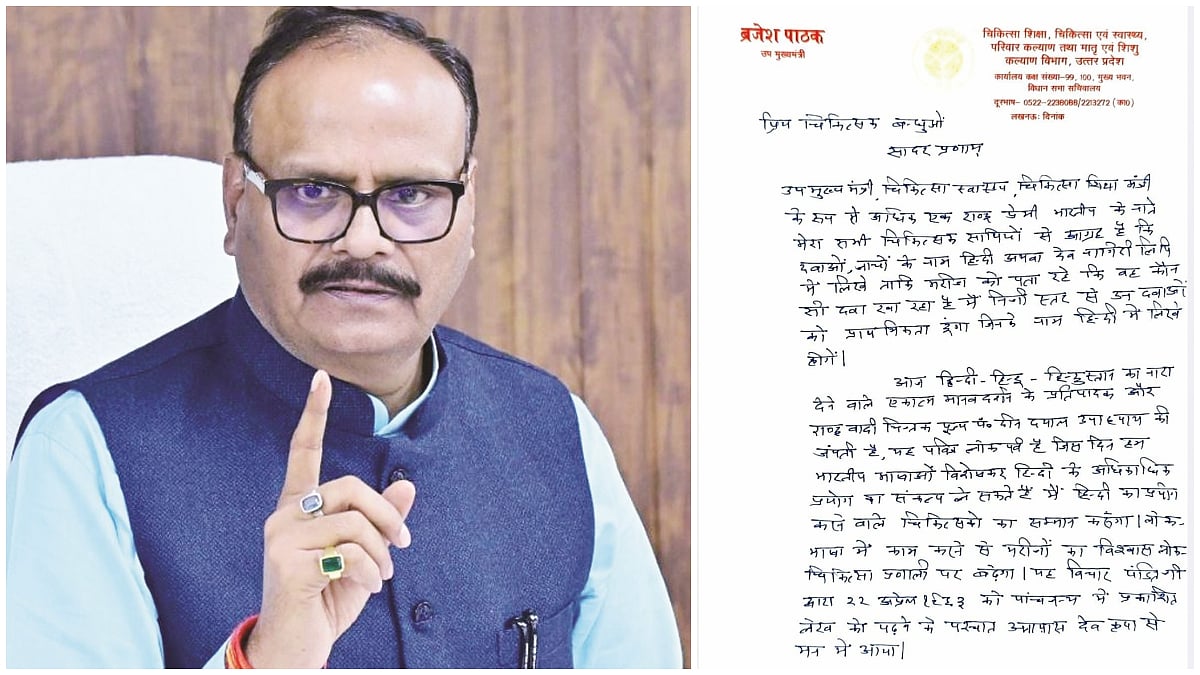
Brajesh Pathak asked doctors in Uttar Pradesh to write medicine and test names in Hindi or Devanagari.
He also asked them to speak with patients in languages they understand well.
These languages could include Bhojpuri, Awadhi or another mother tongue.
Pathak said this could help patients understand their prescriptions and treatment.
He said clear communication may also build trust between doctors and patients.
He believes healthcare involves understanding and confidence, not only medicines.
Pathak connected his request with promoting Hindi and other Indian languages.
He cited Deendayal Upadhyaya and Narendra Modi as examples of people who promoted Indian languages.

Uttar Pradesh Deputy Chief Minister and Health Minister Brajesh Pathak urged doctors to write medicine and test names in Hindi or Devanagari.
He asked doctors to communicate with patients in their mother tongues and familiar local dialects, including Bhojpuri and Awadhi.
Pathak said simpler language could help patients understand prescriptions, tests and treatment instructions more clearly.
He argued that better communication could strengthen trust between patients and doctors and reduce language barriers in healthcare.
Pathak linked the appeal to promoting Indian languages, citing Deendayal Upadhyaya and Prime Minister Narendra Modi as examples.
- Who
- Uttar Pradesh Deputy Chief Minister and Health Minister Brajesh Pathak.
- What
- He urged doctors to write medicine and test names in Hindi or Devanagari and communicate with patients in familiar local languages.
- When
- Friday; no specific date is provided.
- Where
- Uttar Pradesh, India.
- Why
- To make prescriptions, tests and treatment advice easier to understand, strengthen patient-doctor trust and reduce language barriers.
- Speaker
- Brajesh Pathak, Uttar Pradesh Deputy Chief Minister and Health Minister
- Requested written language
- Hindi or the Devanagari script
- Suggested spoken languages
- Patients’ mother tongues and local dialects, including Bhojpuri and Awadhi
- Expected benefit
- Clearer understanding of medicines, tests and treatment instructions
- Healthcare rationale
- Improved communication could strengthen trust between patients and doctors
- Broader objective
- Making Hindi and other Indian languages a regular part of medical communication