

Archive · 2 Aug 2026
Airlines Skip Tibet for Safety Reasons
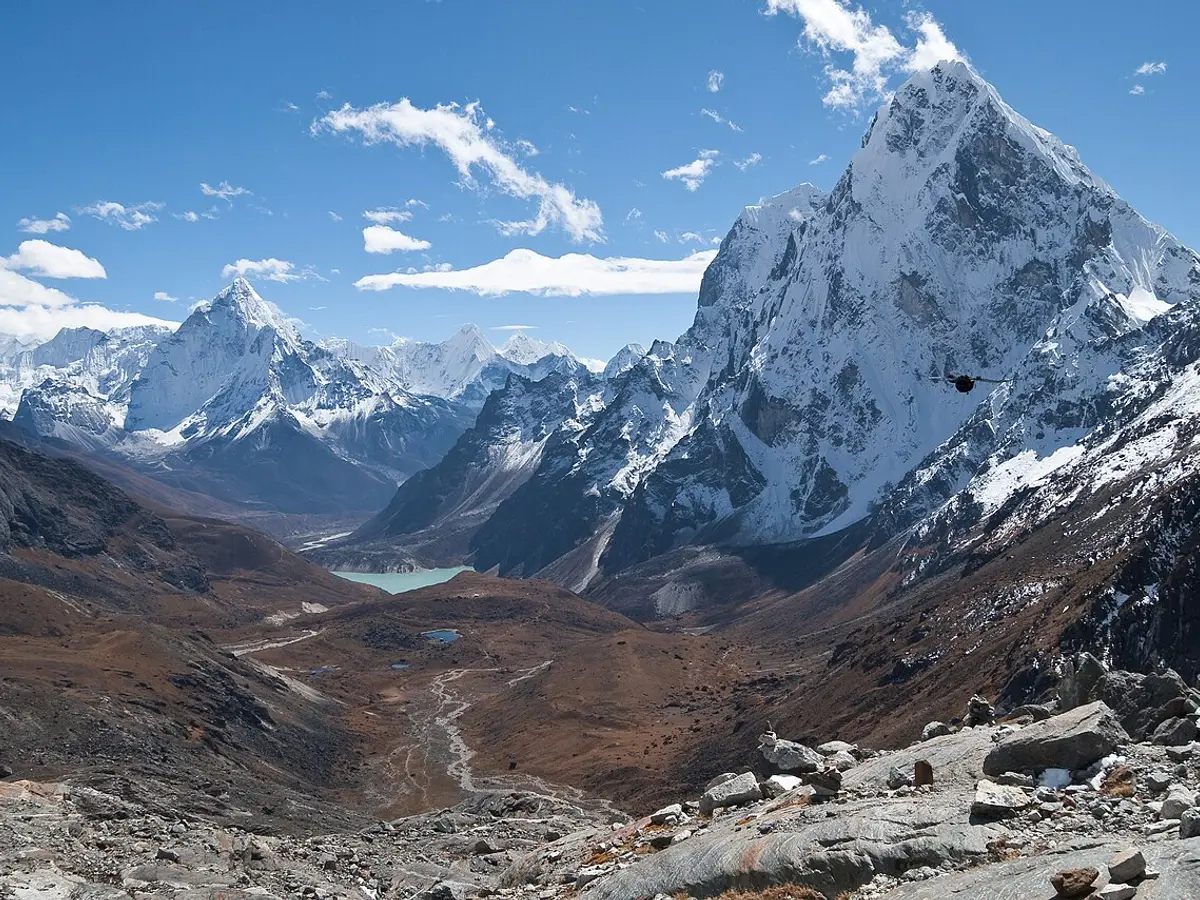
Commercial airplanes usually fly in straight lines, but they skip the big, high area called the Tibetan Plateau.
The plateau is very high, about 4,500 metres, so if a plane loses cabin pressure it would have to go down to 10,000 feet to stay safe.
That would take too long over the plateau.
Also, if one engine fails, the plane can’t stay high enough to clear the very tall mountains like Mount Everest.
Finally, there are almost no airports on the plateau where a big plane could land in an emergency.
Because of all these safety problems, airlines choose routes that go around the plateau instead of over it.

Commercial airlines avoid the Tibetan Plateau due to safety regulations.
Cabin depressurisation requires descent to 10,000 feet, which is hard to achieve over the plateau.
A single‑engine failure would prevent a jet from safely clearing the Himalayas.
The plateau has very few suitable diversion airports for emergency landings.
High‑altitude weather creates dangerous turbulence for emergency operations.
- Who
- Commercial airlines
- What
- Avoid flying over the Tibetan Plateau and Himalayas
- When
- Current flight operations
- Where
- Tibetan Plateau, Himalayas, Lhasa Gonggar Airport
- Why
- Safety regulations, high altitude, lack of diversion airports
- Region avoided
- Tibetan Plateau
- Average elevation
- 4,500 metres
- Cabin depressurisation safe altitude
- 10,000 feet (3,048 metres)
- Highest peak
- Mount Everest 8,848 metres
- Lack of diversion airports
- few suitable airports