

Archive · 2 Dec 2025
AI and Community Reporting Aid Early Outbreak Detection in India
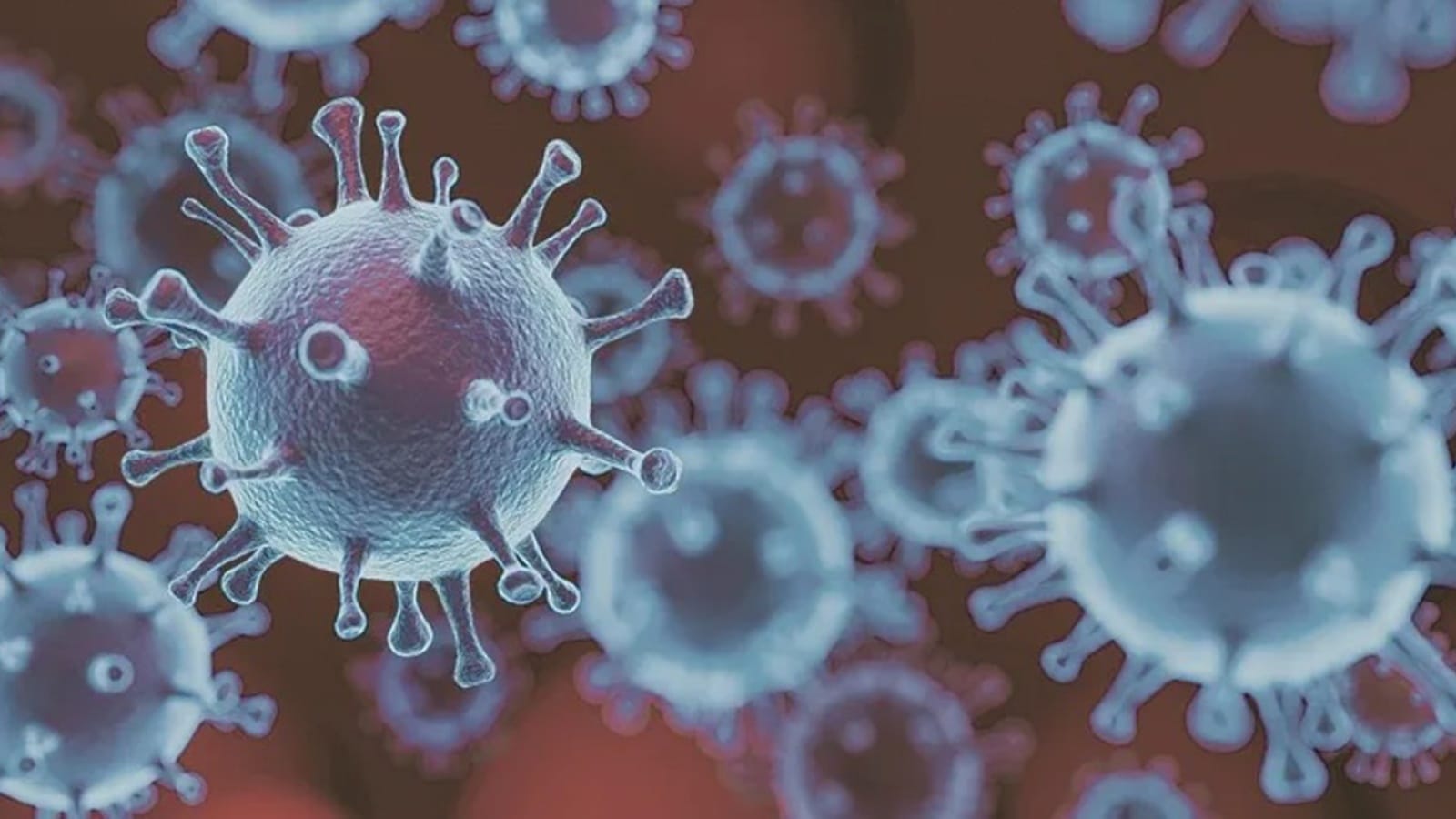
In India, there's a special team that watches for diseases using a big computer screen.
They get information from over 150,000 health workers who check on people in their homes and at hospitals.
When they see more cases of a disease, they quickly send alerts.
This helps doctors and nurses find and treat sick people fast, so the disease doesn't spread.
Before, it took a long time to report diseases on paper, but now it's much faster.
This helps stop diseases before they become big problems.

India's Integrated Health Information Platform monitors diseases in near real-time using AI and community reporting.
Over 150,000 health workers report disease data from various healthcare levels, including door-to-door checks and hospitals.
The system enables swift action, such as testing, quarantining, and other measures to prevent disease spread.
Traditional paper-based reporting took at least a week to reach Delhi, delaying analysis and response.
The platform aims to shift from a detective to a predictive model for preventing outbreaks.
- Who
- Health workers and surveillance teams in India
- What
- AI and community reporting for early outbreak detection
- When
- Ongoing, with near real-time reporting
- Where
- India, with a focus on New Delhi
- Why
- To enable swift treatment and containment of diseases
- Platform Name
- Integrated Health Information Platform
- Health Workers
- 1.5 lakh
- Diseases Monitored
- 50+ (including typhoid, malaria, flu)
- Reporting Time
- Near real-time
- Key Location
- New Delhi, India
- Responsible Agency
- National Centres for Disease Control (NCDC)