

Archive · 24 Dec 2025
Extreme Heat Threatens Food Security and Public Health
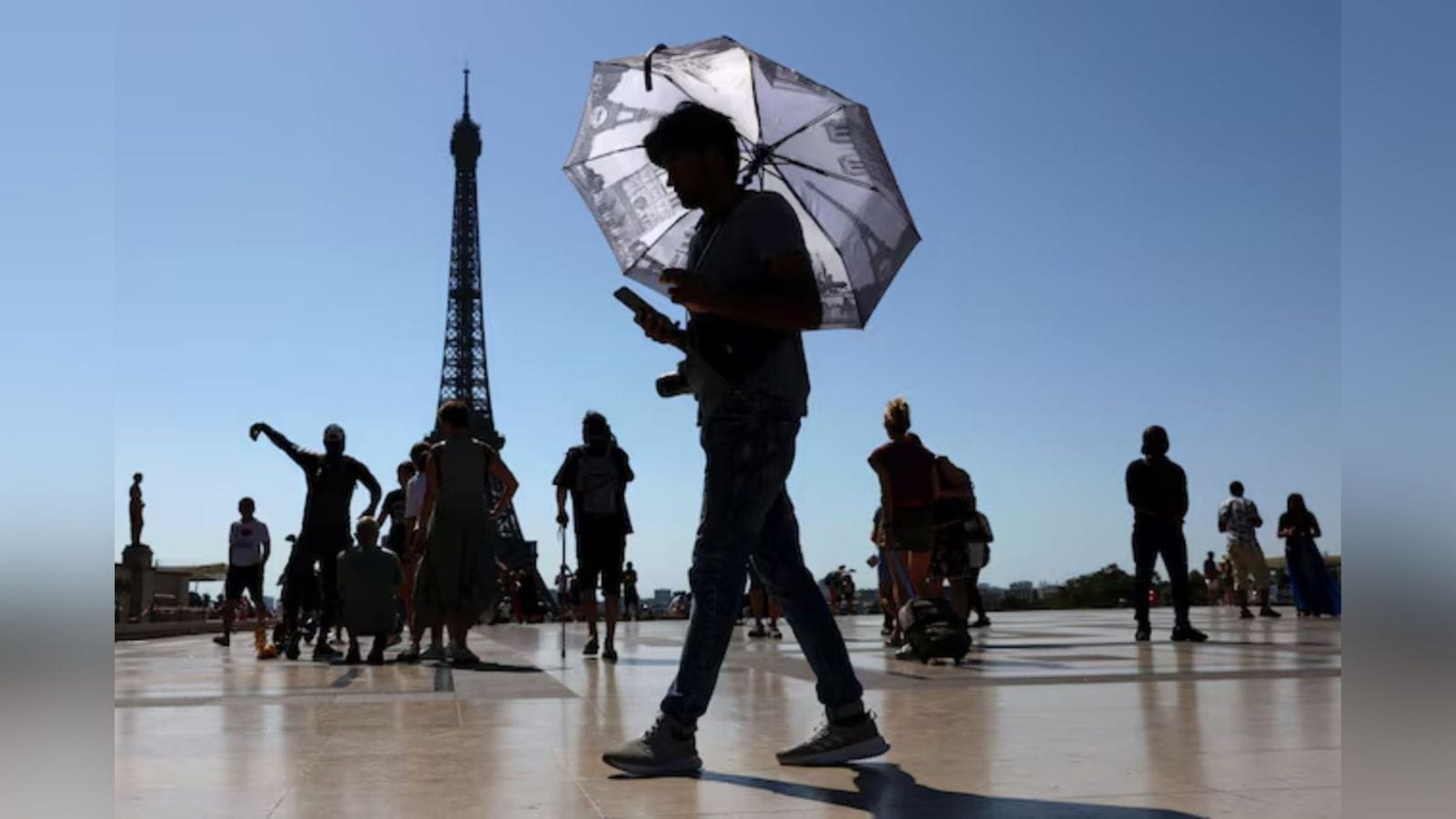
In 2022, extreme heat in South Asia caused big problems.
In India, the heat ruined wheat crops, making food prices go up.
This happened just when India was trying to help other countries with wheat because of the war in Ukraine.
The heat also melted glaciers in the Himalayas, causing huge floods in Pakistan that destroyed homes and crops.
In China, the same weather patterns caused droughts and reduced crop yields.
The heat also makes people sick, especially those who are poor or have health problems.
Doctors and scientists say we need to prepare better for these heatwaves to protect people's health and food supplies.
They suggest things like cooling spaces, warning systems, and better healthcare training to help people stay safe during extreme heat.

Extreme heat in 2022 ruined wheat crops in India, leading to a ban on wheat exports and increased food prices.
Glacial melt and heavy rains caused devastating floods in Pakistan, displacing millions and causing billions in damages.
The same weather patterns caused droughts in China, reducing crop yields and hydropower production.
Extreme heat poses significant health risks, including heat stroke, dehydration, and worsening of chronic diseases.
Adaptation measures like cooling spaces, heat alerts, and community outreach are crucial to mitigate the impacts of extreme heat.
- Who
- People in South Asia, particularly vulnerable populations like the poor, elderly, and those with pre-existing health conditions
- What
- Extreme heatwaves causing food insecurity, public health crises, and humanitarian disasters
- When
- March to August 2022, with projected increases in the next 2-3 decades
- Where
- India, Pakistan, China, and other regions in South Asia
- Why
- Climate change leading to extreme weather events and their cascading effects on food security and public health
- Year of Heatwave
- 2022
- Countries Affected
- India, Pakistan, China
- Temperature Increase in India
- 0.9°C since early 20th century
- Projected Temperature Increase
- 1.3-1.5°C in next 2-3 decades
- Humanitarian Disaster in Pakistan
- 1,700 deaths, 8 million displaced, $30 billion in damages
- Health Risks
- Heat stroke, dehydration, aggravation of chronic diseases
- Adaptation Measures
- Cooling spaces, heat alerts, community outreach, cool-roof programs