1 year ago
Actor Nitish Bharadwaj Speaks on Parental Alienation and Emotional Abuse

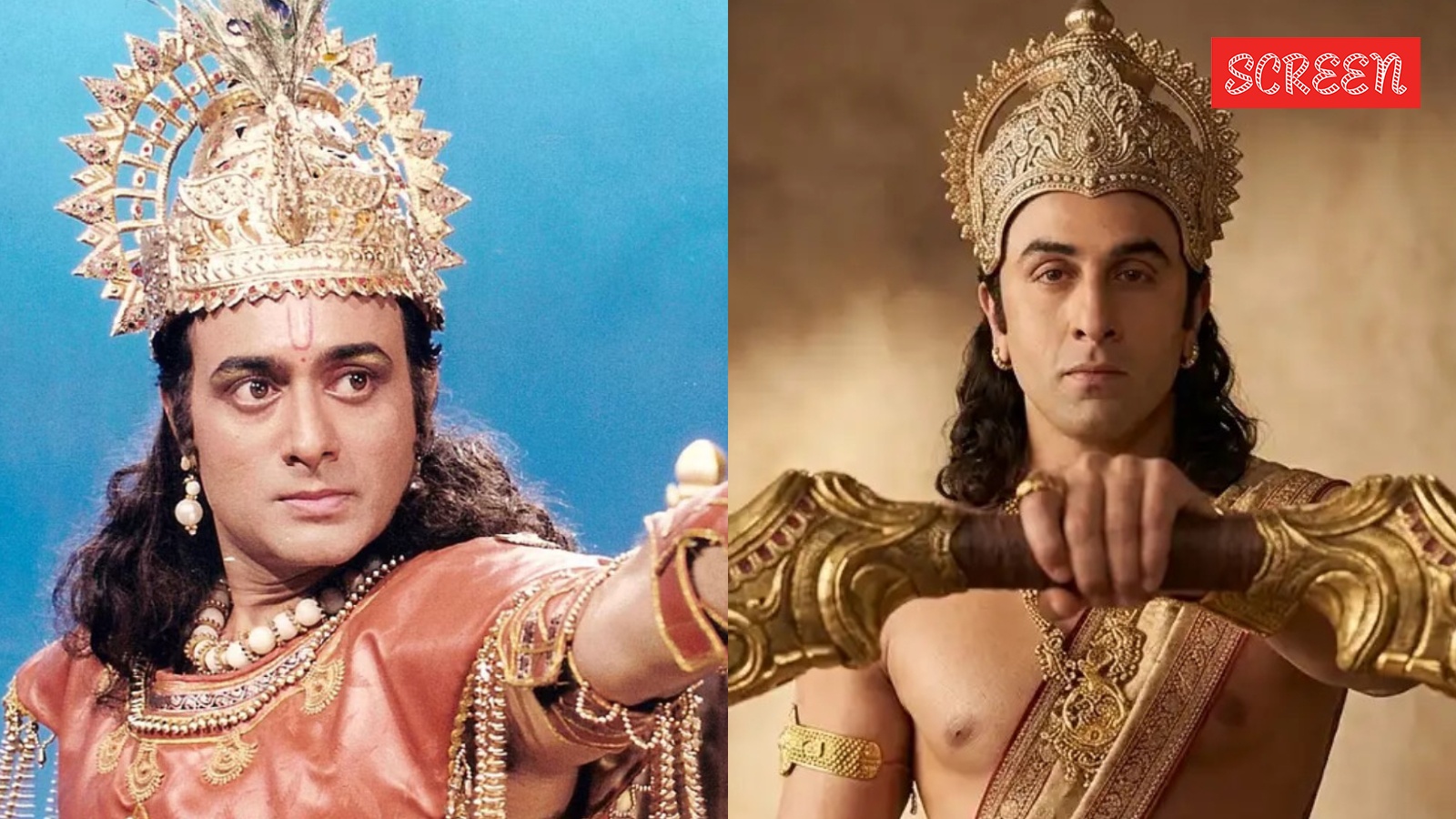
Actor Nitish Bharadwaj, who played Krishna in Mahabharat, talked about a tough time in his life involving his children and ex-partner.
He's facing parental alienation, which means one parent tries to make a child dislike the other parent.
His children have said hurtful things, showing how much this has affected them.
A psychologist explained this can be very hard on both the kids and the parent being left out.
Healing from this kind of abuse involves getting help and support to feel better about yourself.
Keeping in touch with children in small ways, like sending messages, can help rebuild trust.

Actor Nitish Bharadwaj discussed his experience with parental alienation and emotional abuse.
Bharadwaj shared his children's negative feelings towards him due to the situation.
Parental alienation involves one parent manipulating a child to reject the other.
Emotional abuse can leave deep wounds of self-doubt, shame, and fear.
Therapy and support systems are important for healing after abuse or separation.
- Who
- Actor Nitish Bharadwaj and his children; Jai Arora (counseling psychologist).
- What
- Actor Nitish Bharadwaj discussed parental alienation and emotional abuse.
- Where
- Not explicitly mentioned.
- When
- In an old interview.
- Why
- To share his experience and discuss the impact of parental alienation.
The Perspective of Parental Alienation
Not Explicitly Addressed
Parental Alienation
The Perspective of Parental Alienation
One parent manipulates the child to reject the other parent.
Not Explicitly Addressed
Not explicitly stated in the articles.
Key facts
- Notable Figure
- Actor known for playing Krishna in Mahabharat
- Issue faced
- Experienced parental alienation and emotional abuse within marriage.
- Key quote
- Child's statement: "Papa, we are disgusted to call you our father."
- Impact on parent
- Alienated parent may experience grief, sadness, helplessness, and loss.
- Impact on child
- Child may experience anxiety, guilt, identity confusion, and relationship issues.
Sources
Related news

Nitish Bharadwaj Explains Krishna’s Enduring Love Beyond the Camera

Maharashtra CM Fadnavis backs Ramayana for Oscar, cites expectations

Chikhalia Defends Kapoor’s Ram Casting After Bharadwaj’s Warning
Ranbir Kapoor Urged to Skip Animal After Ramayana Trailer