

Archive · 22 Jul 2026
Supreme Court Clarifies Vulgarity vs. Obscenity in Speech
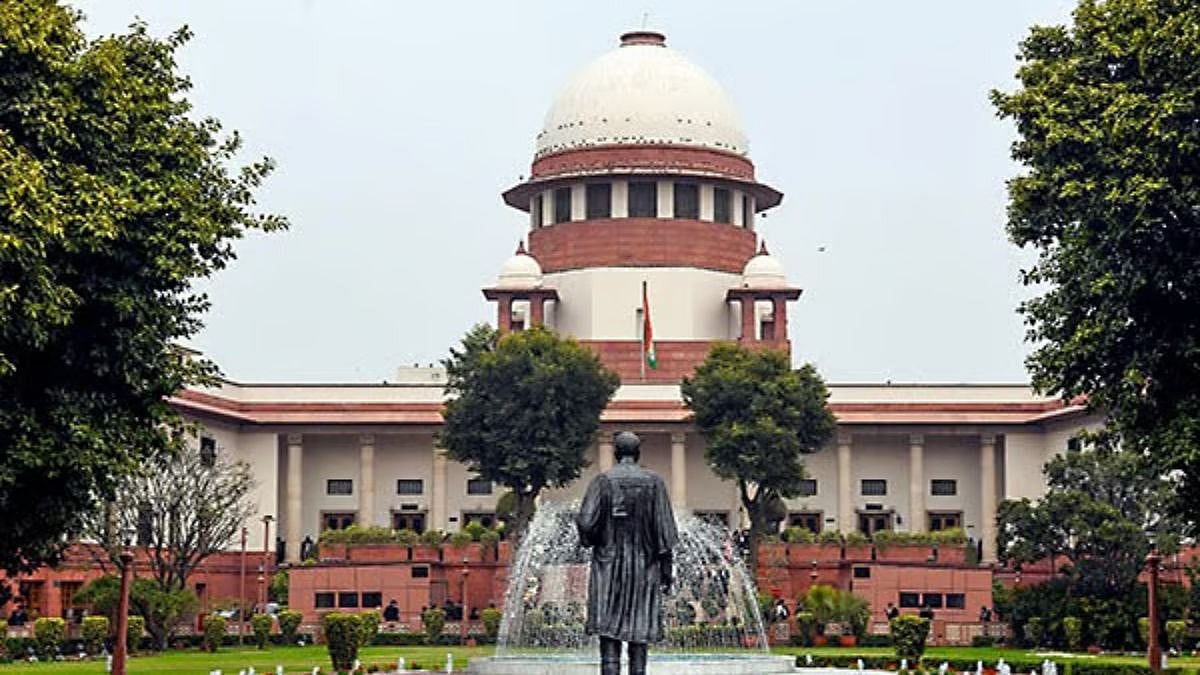
The Supreme Court of India recently made an important decision about what kind of language can be considered illegal.
They said that just because someone uses bad words or vulgar language, it doesn't automatically mean it's obscene.
Obscene speech is defined as something that is meant to be sexually exciting or that can corrupt people's morals.
The court looked at a case where someone used a very offensive word during a fight over land.
They decided that even though the word was very rude, it wasn't obscene because it didn't meet the legal definition.
The court also reminded everyone that just because language is offensive doesn't mean it should be punished by the law.
Only speech that truly meets the criteria for obscenity should be treated as a crime.
This decision helps protect people's right to free speech while still maintaining standards of decency.

Supreme Court rules that vulgar language is not automatically obscene.
Obscenity must meet specific legal criteria, including appealing to prurient interests.
Case involved a land dispute where offensive language was used.
Court emphasized that standards of obscenity evolve with society.
Ruling aims to balance free speech with maintaining public decency.
- Who
- Supreme Court of India
- What
- Ruling on the distinction between vulgarity and obscenity in speech
- When
- Recent judgement (specific date not mentioned)
- Where
- India
- Why
- To clarify the legal distinction between vulgar and obscene speech
Proponents of Strict Language Laws
Free Speech Advocates
Legal Definition of Obscenity
Proponents of Strict Language Laws
Believe that all vulgar language should be criminalized to maintain public decency.
Free Speech Advocates
Argue that only speech meeting specific legal criteria for obscenity should be restricted.
Role of Criminal Law
Proponents of Strict Language Laws
Support using criminal law to punish all offensive language to deter its use.
Free Speech Advocates
Advocate for limited use of criminal law, reserving it for speech that truly corrupts morals.
- Case Origin
- Land dispute in Tamil Nadu, 2017
- Legal Provision
- Section 294 (b) of the Indian Penal Code
- Court's Ruling
- Vulgarity does not automatically equal obscenity
- Obscenity Criteria
- Must appeal to prurient interests and corrupt morals
- Judges Involved
- Justice Sanjay Karol