

Archive · 27 Jul 2026
10,000 Steps: A Fitness Goal
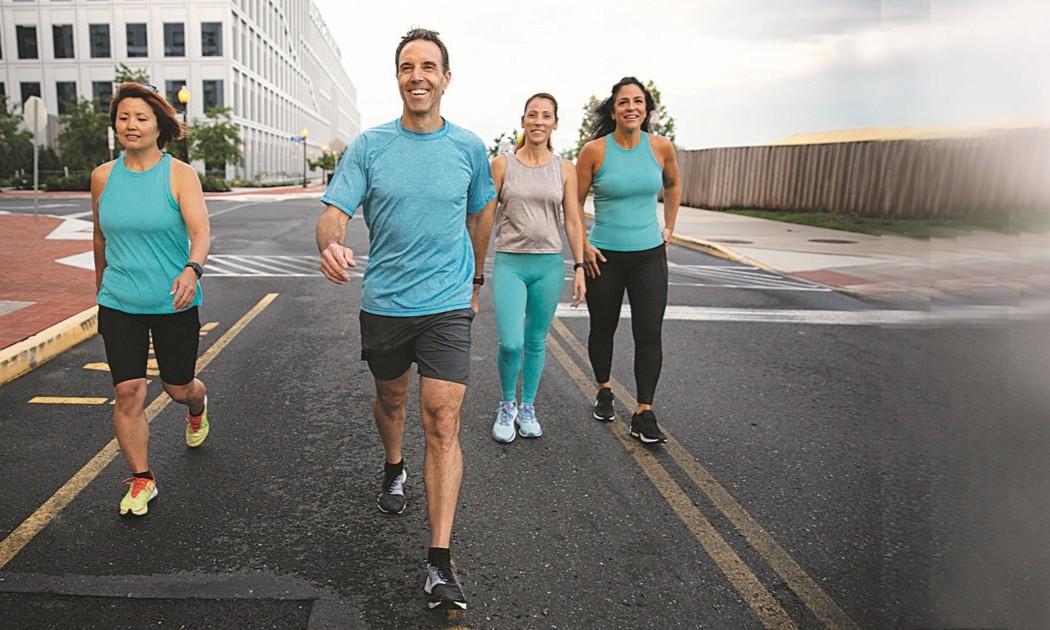
The 10,000-step goal started as a marketing campaign but became a popular fitness target.
Many people aim for this number daily to stay active and healthy.
However, studies show that health benefits begin at lower step counts, and the quality of movement is more important than hitting exactly 10,000 steps.
The goal helps build habits, but flexibility in step counts can make the habit more sustainable.
During the pandemic, walking became a popular form of exercise, and the 10,000-step trend grew even more.

The 10,000-step goal originated from a 1964 marketing campaign by a Japanese company.
Health benefits of walking start at lower step counts, with optimal steps varying by age group.
The 10,000-step target helps build consistent habits and encourages daily physical activity.
Quality of movement, including pace and intensity, is crucial for health outcomes.
The pandemic increased awareness and adoption of the 10,000-step goal as a fitness trend.
- Who
- Fitness enthusiasts, athletes, and the general public
- What
- The 10,000-step fitness goal and its impact on health and habits
- When
- Originated in 1964, gained popularity during the pandemic
- Where
- Globally, with significant adoption in India
- Why
- To promote physical activity and health, though the scientific basis is debated
10,000 Steps as a Health Benchmark
Flexible Step Goals for Health
Scientific Evidence
10,000 Steps as a Health Benchmark
The 10,000-step goal is widely accepted and motivates people to stay active.
Flexible Step Goals for Health
Health benefits start at lower step counts, and the quality of movement matters more than hitting a specific number.
Behavioral Impact
10,000 Steps as a Health Benchmark
The clear target of 10,000 steps helps build consistent habits and encourages daily physical activity.
Flexible Step Goals for Health
Setting flexible step goals can make the habit more sustainable and less daunting.
- Origin
- Marketing campaign by a Japanese company in 1964
- Health Benefits
- Reduces risk of cardiovascular diseases
- Optimal Steps for Older Adults
- 6,000-7,000 steps
- Optimal Steps for Young Adults
- 7,000-8,000 steps
- Pandemic Impact
- Increased awareness and adoption of the 10,000-step goal