

Archive · 27 Nov 2025
PCOS, Hormones, and Hidden Obesity in Women
Many women struggle with weight gain even when they eat healthily.
This can happen because of a condition called PCOS, which affects hormones and metabolism.
PCOS causes higher levels of male hormones and makes it harder for the body to use insulin properly.
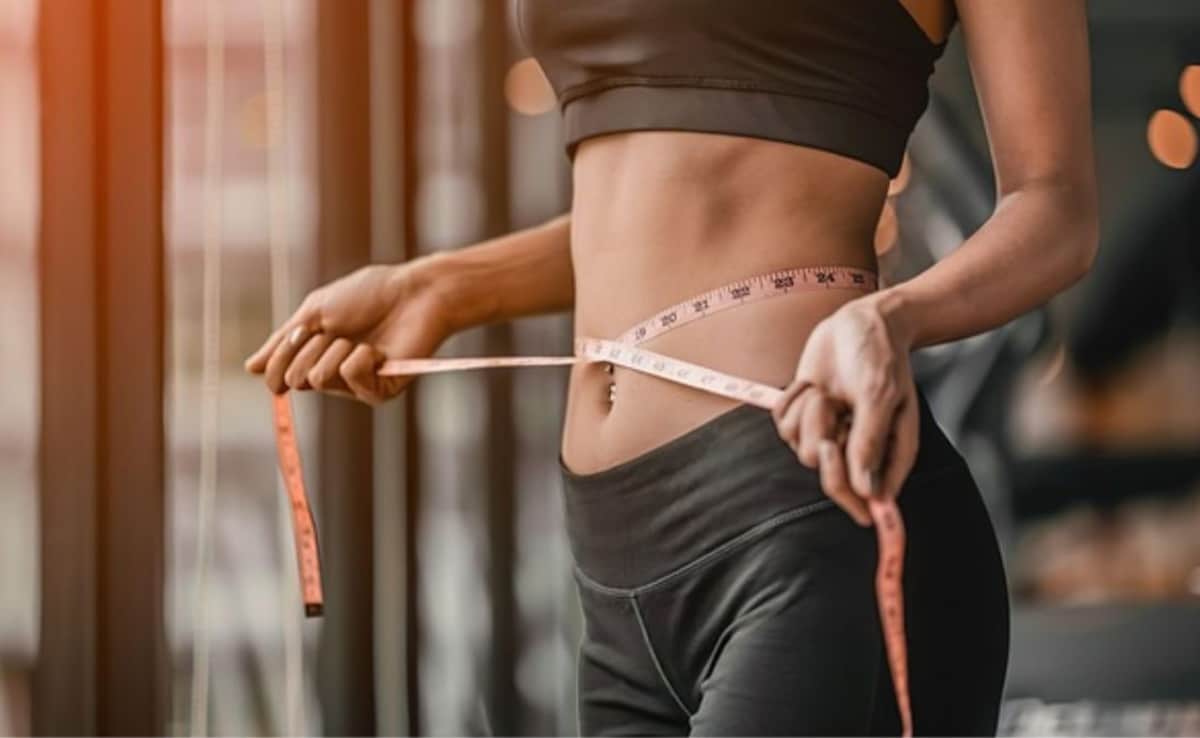
This leads to weight gain, especially around the belly.
The cycle of weight gain and PCOS makes it even harder to lose weight.
Women with PCOS might feel hungrier and have more cravings, which can lead to eating more calories without realizing it.
Managing PCOS involves eating a balanced diet, exercising regularly, reducing stress, and sometimes seeking medical help.

PCOS disrupts hormone balance, leading to increased androgens and insulin resistance.
Insulin resistance causes excess insulin and glucose in the bloodstream, promoting abdominal weight gain.
PCOS and obesity create a vicious cycle, worsening insulin resistance and making weight loss difficult.
Hormonal imbalances in PCOS can lead to increased hunger and cravings, contributing to unintentional weight gain.
Managing PCOS involves a balanced diet, regular exercise, stress reduction, and medical intervention.
- Who
- Women, particularly those with PCOS
- What
- Unintentional weight gain due to hormonal imbalances and metabolic dysfunction
- When
- Throughout their lives, especially during hormonal fluctuations
- Where
- Globally, affecting women with PCOS
- Why
- Due to insulin resistance, increased androgen production, and metabolic dysfunction caused by PCOS
- Condition
- Polycystic Ovary Syndrome (PCOS)
- Hormonal Imbalance
- Increased androgens and insulin resistance
- Weight Gain Pattern
- Central obesity (abdominal fat)
- Management Strategies
- Diet, exercise, stress management, and medical intervention
- Health Risks
- Increased risk of diabetes and heart disease