8 hrs ago
India’s private missile pivot targets wartime redundancy and competition
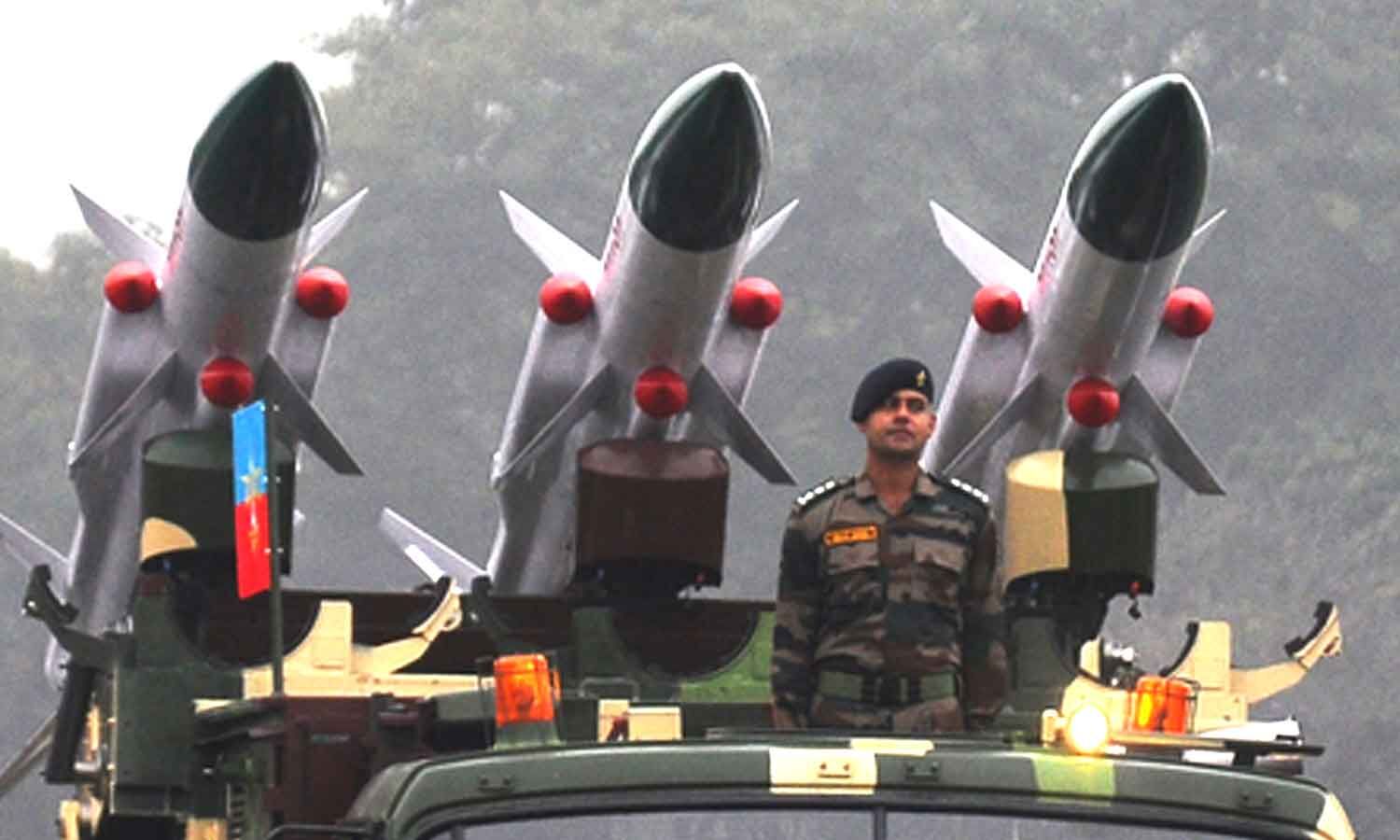
India wants more companies to help build its missiles.
For a long time, state-owned companies did most of this work.
The new policy allows qualified private companies to compete for missile-production roles.
The government wants at least two producers for each missile system.
This could help India keep making missiles if one producer has a problem during a war.
Competition may also help control prices and improve delivery times.
Bharat Dynamics Limited will continue to be an important producer.
The change does not mean the public sector is being removed, but it will face more competition.

India is expanding missile production beyond state-run companies by involving private defence firms.
The Defence Ministry plans at least two production partners for each missile system to reduce wartime single-point failures.
Qualified private companies can bid to receive DRDO technology and become Development-cum-Production Partners.
The policy is intended to improve price discovery, delivery timelines, production efficiency and manufacturing scale.
Bharat Dynamics Limited remains an experienced missile producer, but public-sector firms will no longer automatically receive DRDO-developed missile contracts.
- Who
- India’s Defence Ministry, DRDO, Bharat Dynamics Limited and qualified private defence companies.
- What
- India is expanding private-sector participation in conventional missile production and introducing competition for production partnerships.
- Where
- India; the report was datelined New Delhi.
- When
- The Defence Ministry approved the transfer of DRDO technologies in August.
- Why
- To create wartime production redundancy, increase manufacturing scale, improve price discovery and delivery timelines, and strengthen production efficiency.
Competition and private-sector expansion
Public-sector continuity and experience
Who should produce missiles?
Competition and private-sector expansion
Supporters of the policy argue that qualified private companies can add scale, redundancy and contestability to missile production.
Public-sector continuity and experience
The report says private participation should not be viewed as a retreat by the public sector, which retains established infrastructure, expertise and supplier networks.
How should contracts be allocated?
Competition and private-sector expansion
Competitive bidding can replace automatic allocation and may improve price discovery and delivery performance.
Public-sector continuity and experience
Public-sector companies, especially Bharat Dynamics Limited, remain experienced producers but can no longer assume they will receive every DRDO-developed missile contract.
Key facts
- Policy change
- Private Indian defence companies can bid for technology transfers involving conventional missile systems.
- Production model
- The ministry plans at least two production partners for each missile system.
- Private-sector role
- Successful companies can become Development-cum-Production Partners and take prime systems-integration responsibility.
- Previous model
- DRDO-designed missiles were largely transferred to nominated public-sector production agencies.
- Leading public producer
- Bharat Dynamics Limited remains the most experienced missile manufacturer identified in the report.
- Expected benefits
- The report cites improved price discovery, delivery timelines, production efficiency and wartime replenishment.
Quotes

India Narrative report
Report cited as the source of the article’s analysis
“The entry of private companies should not be construed as a retreat by the public sector. BDL remains India’s most experienced missile manufacturer, with established infrastructure, expertise and supplier networks.”
 thehansindia.com
“Strategic deterrence ultimately depends not only on what a country can design but also on what it can manufacture, replenish and sustain during a prolonged conflict.”
thehansindia.com
Sources
Related news
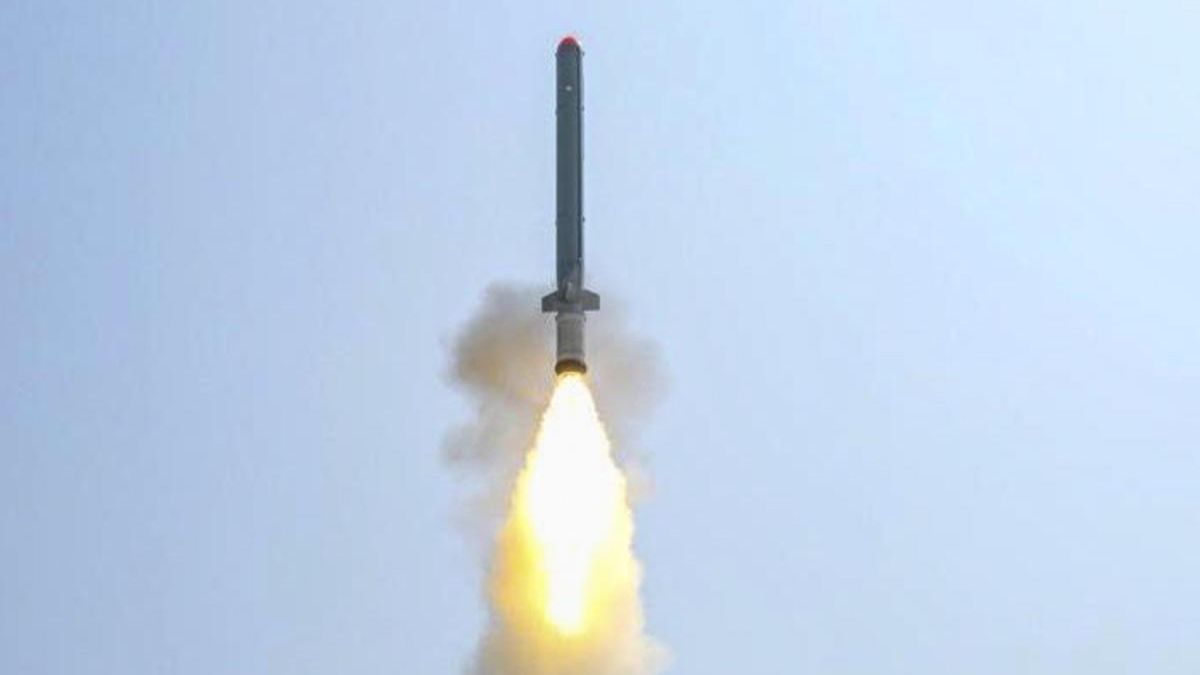
India Approves DRDO Missile Technology Transfer to Domestic Industry

India Urged to Build Large, Diversified Defence Industry
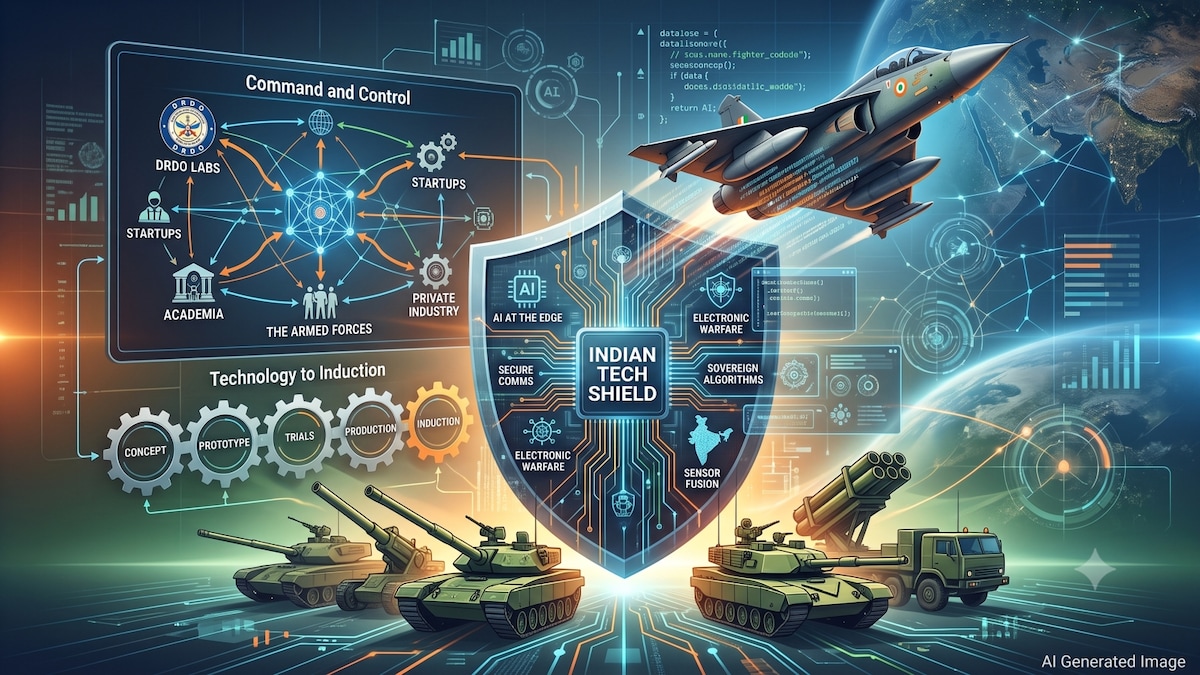
Defence Secretary Urges DRDO to Cut Projects, Expand Industry Role
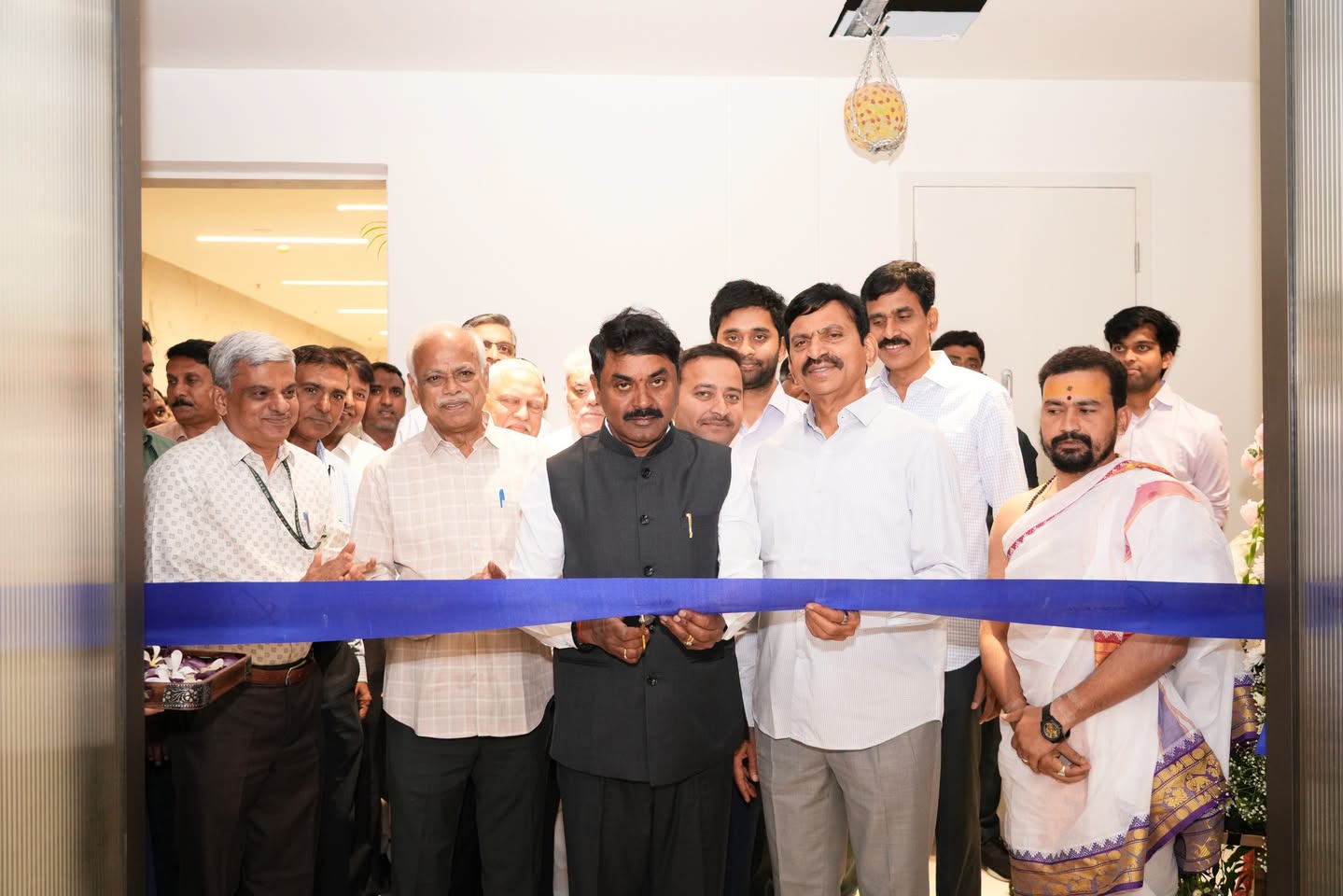
India’s Defence Manufacturing Ecosystem Expands Into Export Markets

Ammunic Systems Seeks to Advance India’s Defence Technology

September 30 Assembly Headlines Span Crime, Diplomacy, Sports And Education
India's Kaveri Engine Completes Russian Trials for Ghatak Stealth Drones

UP Police Smart Policing Stall Draws 15,000 Trade Show Visitors
India Vows Defence Self-Reliance While Rejecting Territorial Ambitions