

Archive · 24 Jul 2026
Delhi HC Rules AI Training Not Copyright Infringement

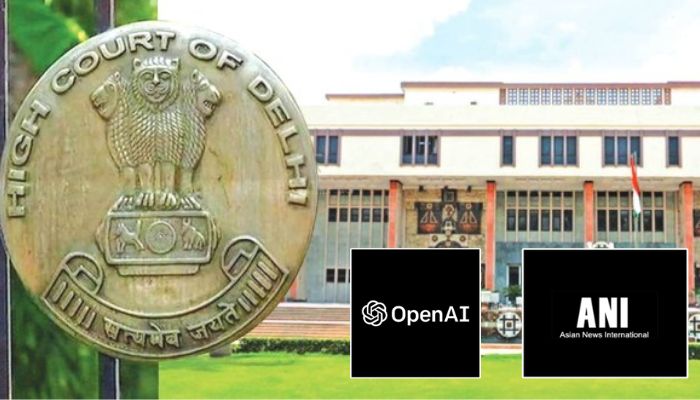
The Delhi High Court recently ruled in a case between ANI, a news agency, and OpenAI, the company behind ChatGPT.
ANI claimed that OpenAI used its news reports without permission to train ChatGPT, which sometimes reproduced parts of the articles verbatim and even created fake news stories attributed to ANI.
OpenAI argued that using this content for training is a transformative process and does not violate copyright laws.
The court agreed with OpenAI, stating that storing ANI's content for training does not infringe on copyright.
However, the court did rule that the lawsuit can proceed in India.
This case is important because it sets a precedent for how AI companies can use copyrighted material for training their models.
Similar cases are ongoing in other countries, and this ruling could influence future decisions.

Delhi High Court ruled that OpenAI's use of ANI's content to train ChatGPT does not amount to copyright infringement.
The court held that AI training falls under the fair dealing exemption for research under India's Copyright Act.
ANI alleged that ChatGPT reproduced parts of its articles verbatim and created fabricated stories attributed to ANI.
OpenAI argued that AI training is a transformative process and does not infringe on copyright.
The court ruled that the lawsuit is maintainable in India, despite OpenAI's challenges to jurisdiction.
- Who
- ANI (Asian News International) vs. OpenAI
- What
- Delhi High Court rules that OpenAI's use of ANI's content to train ChatGPT does not amount to copyright infringement
- When
- November 2024 (case filed), ruling date not specified
- Where
- Delhi High Court, India
- Why
- ANI alleged copyright infringement and damage to reputation due to ChatGPT's outputs; OpenAI argued AI training is transformative and protected under copyright law
ANI's Perspective
OpenAI's Perspective
Copyright Infringement
ANI's Perspective
ANI alleges that OpenAI used its copyrighted news reports without permission to train ChatGPT, leading to verbatim reproductions and fabricated attributions.
OpenAI's Perspective
OpenAI argues that AI training is a transformative process that does not amount to copyright infringement and is protected under the research exception in India's Copyright Act.
Jurisdiction
ANI's Perspective
ANI sought to establish jurisdiction in India for the lawsuit against OpenAI.
OpenAI's Perspective
OpenAI challenged the maintainability of the suit in India, arguing that its AI models are not trained in the country and its servers are located outside India.
Impact of AI on Reputation
ANI's Perspective
ANI claims that ChatGPT's 'hallucinations' damage its reputation by attributing fabricated statements and news reports to the agency.
OpenAI's Perspective
OpenAI denies the allegations, stating that ChatGPT's outputs are not similar to ANI's original works and do not amount to copyright infringement.
- Court
- Delhi High Court
- Judge
- Justice Amit Bansal
- Plaintiff
- ANI (Asian News International)
- Defendant
- OpenAI
- Case Filed
- November 2024
- Key Issue
- Copyright infringement in AI training
- Legal Precedent
- First substantive judicial finding in India on AI and copyright
Sources
Delhi HC Rejects ANI’s Plea For Interim Injunction Against OpenAI In Copyright Suit
In Big Win For OpenAI, High Court Rules In Its Favour In Copyright Dispute
Delhi High Court Rules in OpenAI's Favour in ANI Copyright Case, Says AI Training Does Not Infringe Copyright
Why Delhi HC rejected ANI’s interim injunction plea against OpenAI

Delhi High Court rejects ANI's lawsuit against OpenAI in ChatGPT copyright case - Telegraph India
