Archive · 23 Sep 2025
Malaria, Chikungunya Rising in India: Symptoms, Risks, & Advice
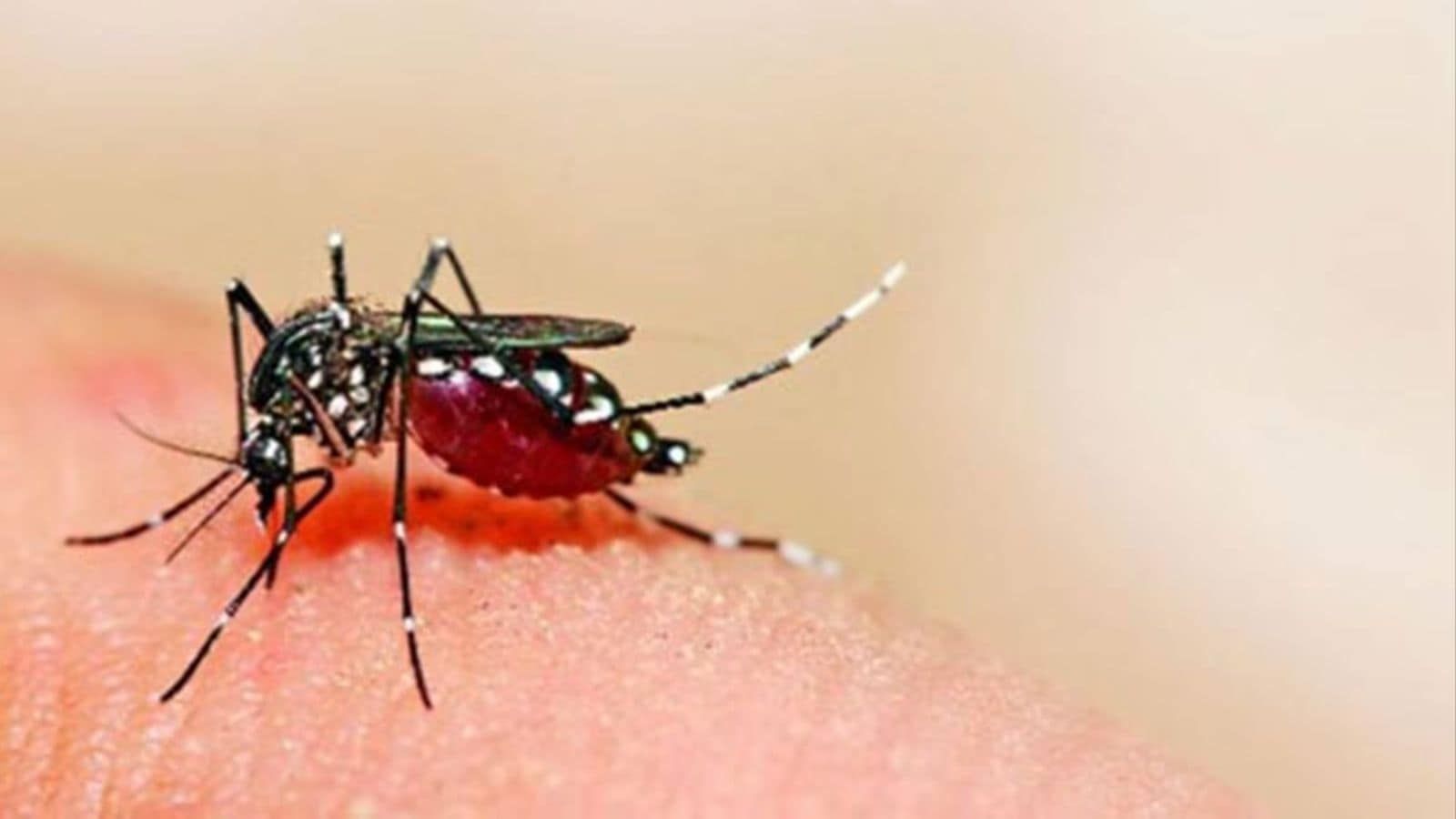
Malaria and chikungunya, illnesses spread by mosquitoes, are on the rise in some Indian cities.
Malaria causes fever, chills, and headaches, and the fever comes in cycles.
Chikungunya causes fever, joint pain, and headaches.
Self-treating these illnesses can be dangerous because it delays proper diagnosis and treatment.
Doctors advise seeing a doctor for testing and treatment and taking steps to prevent mosquito bites.

Malaria and chikungunya cases are increasing in Delhi and Mumbai, India.
Malaria symptoms include cyclical fever, chills, and headaches; chikungunya causes fever and joint pain.
Self-medicating for these illnesses can be dangerous and delay proper treatment.
Malaria is spread by Anopheles mosquitoes and chikungunya by Aedes mosquitoes.
Preventative measures include mosquito repellent, mosquito nets, and eliminating standing water.
- Who
- Doctors and health officials
- What
- Reported increasing cases of malaria and chikungunya and the dangers of self-medication.
- When
- As of mid-September 2025 (Delhi); Jan-Sept 2025 (Mumbai)
- Where
- Delhi and Mumbai, India
- Why
- To inform the public about symptoms, risks, and preventive measures regarding mosquito-borne illnesses.
Risks of Self-Medication
Preventative Measures
Self-Medication
Risks of Self-Medication
Self-medicating can hide symptoms, delay diagnosis, and worsen conditions if the wrong medicine is used, potentially leading to serious complications.
Preventative Measures
Preventative measures are important. Applying mosquito repellent, using mosquito nets, wearing protective clothing, and eliminating stagnant water reduce the risk of these diseases.
- Malaria Cases (Delhi, 2025)
- 297
- Malaria Cases (Delhi, 2024)
- 271
- Chikungunya Cases (Delhi, 2025)
- 46
- Chikungunya Cases (Delhi, 2024)
- 33
- Malaria Cases (Mumbai, Jan-Sept 2025)
- 6,277
- Chikungunya Cases (Mumbai, Jan-Sept 2025)
- 542