

Archive · 25 Jul 2026
India-UK FTA to boost trade and jobs
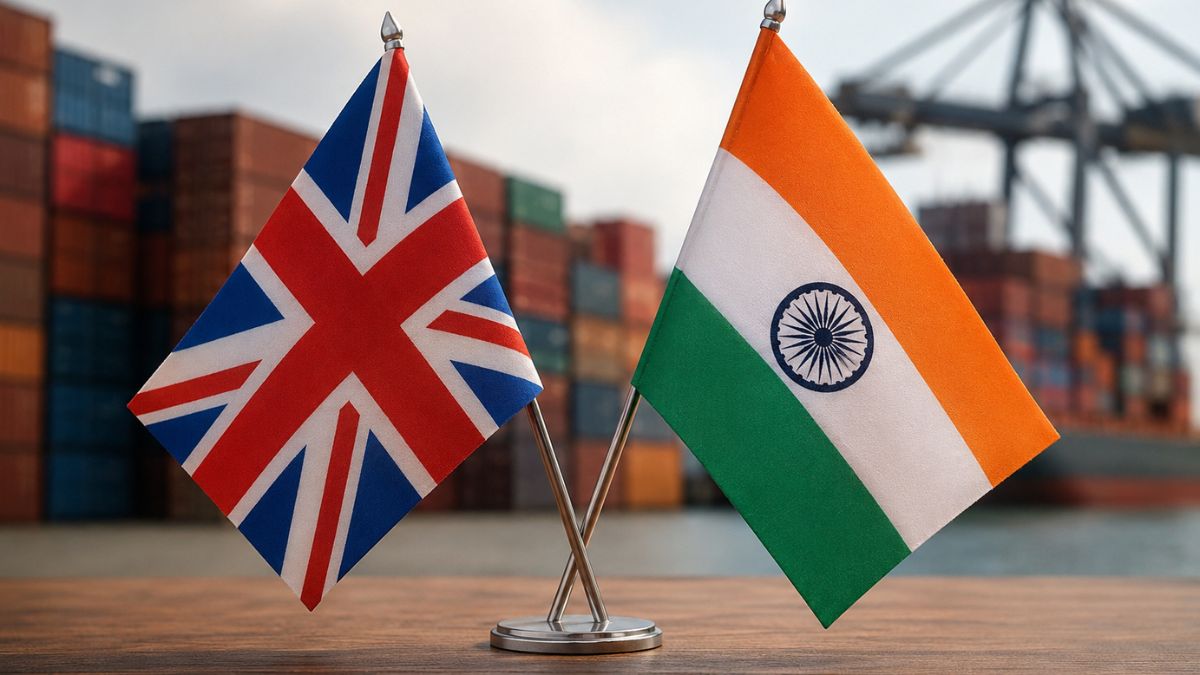
The India-UK Free Trade Agreement (FTA) is expected to significantly increase trade between the two countries, reaching $115 billion by 2030.
This agreement, which started on July 15, 2026, aims to create new job opportunities, especially in industries like textiles, leather, and engineering goods.
To achieve these goals, Indian businesses need to meet high-quality standards and improve their infrastructure.
The FTA also simplifies customs and trade processes, making it easier for businesses to operate.
Overall, the agreement is seen as a positive step for both countries' economies.

The India-UK FTA aims to boost bilateral trade from $58 billion in 2025-26 to $115 billion by 2030.
The agreement is expected to create 7-10 lakh new jobs, benefiting the young population.
Key industries like textiles, leather, engineering goods, pharmaceuticals, and automotive will see increased opportunities.
Indian businesses must meet product quality, certification, and sustainability standards to realize the FTA's potential.
Simpler customs and digital trade provisions will reduce compliance time and create a more agile trade environment.
- Who
- India and the UK
- What
- India-UK Free Trade Agreement (FTA)
- When
- Implemented on July 15, 2026
- Where
- India and the UK
- Why
- To boost bilateral trade, create jobs, and enhance economic engagement
Optimistic View
Cautious View
Trade Growth
Optimistic View
The FTA will significantly boost bilateral trade to $115 billion by 2030.
Cautious View
Achieving this growth depends on sustained competitiveness and meeting international standards.
Job Creation
Optimistic View
The FTA will create 7-10 lakh new jobs, benefiting the young population.
Cautious View
Job creation is contingent on businesses meeting quality and certification requirements.
- Current Bilateral Trade
- $58 billion (2025-26)
- Projected Bilateral Trade
- $115 billion (2030)
- Expected Job Creation
- 7-10 lakh new jobs
- FTA Implementation Date
- July 15, 2026
- Key Industries Benefited
- Textiles, leather, engineering goods, pharmaceuticals, automotive
- Critical Factors for Success
- Product quality, certification, Rules of Origin, sustainability standards, ease of doing business, infrastructure, supply chain
