

Archive · 27 Jul 2025
Animals That Experience Insomnia, Differently
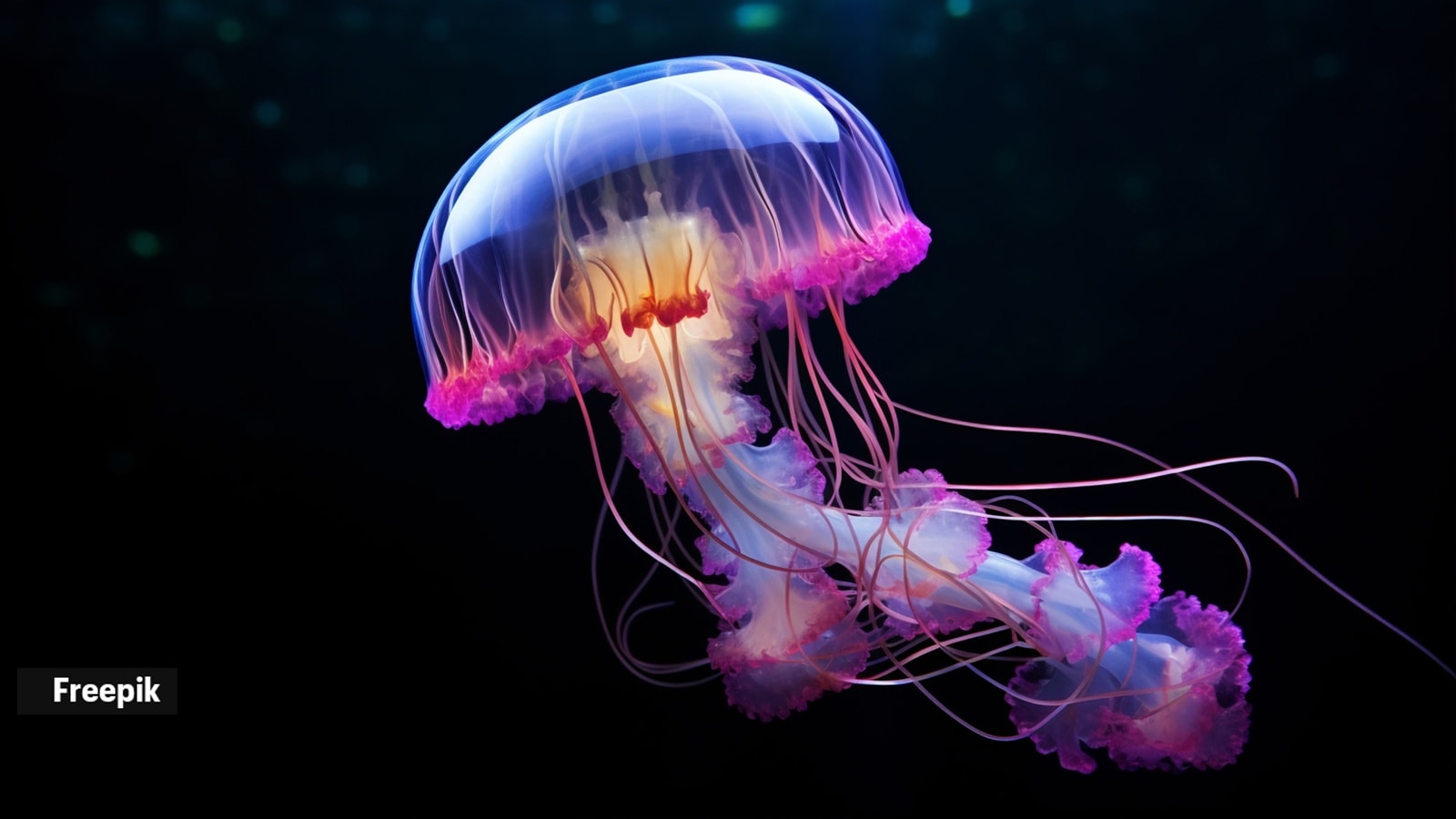
Animals, like humans, can struggle with sleep.
Giraffes only nap for short periods to stay safe from predators.
Bullfrogs slow down but don't fully sleep, remaining alert.
Jellyfish, even without brains, have rest periods.
Sea urchins have inactive phases for energy.
Elephants sleep very little, staying awake to travel or avoid danger.
This shows how sleep works differently across the animal kingdom, with each animal adapting to survive.

Insomnia, or the inability to sleep, affects various animals, not just humans.
Giraffes often sleep as little as 30 minutes a day due to fragmented sleep patterns.
Bullfrogs alternate between reduced activity and full wakefulness, not true sleep.
Jellyfish exhibit rest-like states with reduced pulsation rates, indicating a primitive form of sleep regulation.
Elephants sleep an average of two hours a day and can stay awake for up to 48 hours in the wild.
- Who
- Giraffes, bullfrogs, jellyfish, sea urchins, and elephants.
- What
- Several animals experience sleep patterns different from humans, including fragmented sleep or rest-like states.
- When
- Not specified in the article.
- Where
- The article mentions these animals in a general context, without a specific location.
- Why
- These animals have developed unique sleep patterns, likely to stay alert for predators or conserve energy.
- Animals experiencing sleep issues
- Giraffes, bullfrogs, jellyfish, sea urchins, and elephants
- Giraffe sleep
- About 30 minutes a day, in fragmented naps
- Bullfrog sleep
- Alternates between reduced activity and wakefulness
- Jellyfish sleep
- Exhibit rest-like states
- Elephant sleep
- About two hours a day
- Reason for sleep patterns
- Survival mechanisms like predator avoidance and energy conservation