Archive · 25 Sep 2025
China Leads in Foreign Exchange Reserves, Followed by Japan
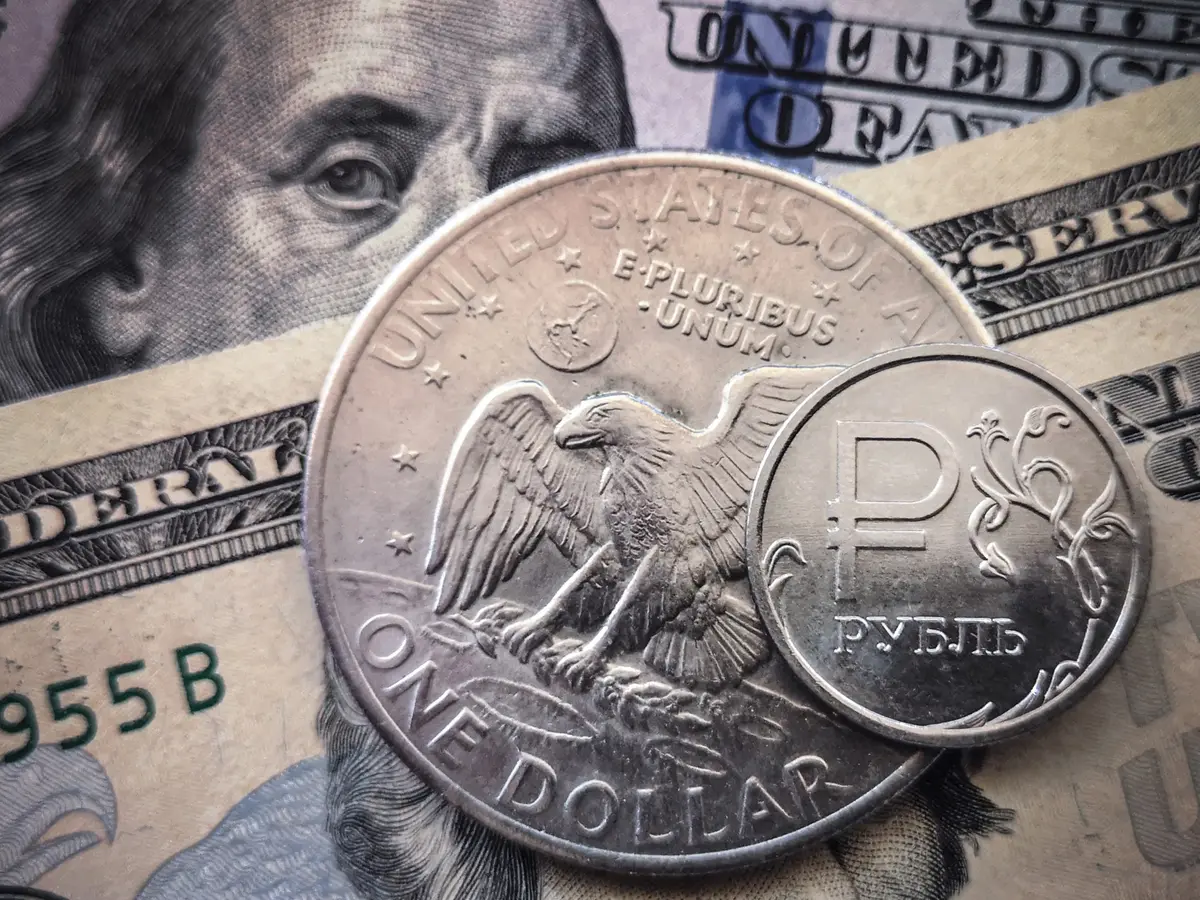
Countries keep a stash of money in foreign currencies, called foreign exchange reserves.
This money helps them pay for imports, debts, and keeps their money's value steady.
China has the most, like a big savings account.
Japan is second, with India and Russia also having large reserves.
These reserves are important for a country's financial health, allowing them to trade with other countries and handle economic problems.

China has the largest foreign exchange reserves, around $3.2 trillion.
Japan holds the second-largest reserves at $1.3 trillion.
India's reserves reached $695.10 billion.
Foreign exchange reserves help countries maintain financial stability.
Reserves are used for international trade and to manage currency value.
- Who
- China, Japan, India, and other countries
- What
- Hold the largest foreign exchange reserves
- When
- As of July/mid-August 2025
- Where
- Globally
- Why
- To maintain financial stability and fund international trade.
Benefits
Risks
Financial Stability
Benefits
Foreign exchange reserves help maintain a desired exchange rate and act as a buffer against financial crises.
Risks
Building large reserves might increase the domestic money supply, leading to inflation if fiscal management is poor.
International Relations
Benefits
Strong reserves are important for international trade.
Risks
Large reserves are vulnerable to asset freezes from conflicts and sanctions.
- China's Reserves
- $3.2 trillion (July 2025)
- Japan's Reserves
- $1.3 trillion
- India's Reserves
- $695.10 billion (mid-August 2025)
- Russia's Reserves
- $689.458 billion
- Germany's Reserves
- 401591 EUR Million (August 2025)
- Hong Kong Reserves
- $421.6 billion (August 2025)
- South Korea's Reserves
- $416.3 billion (August 2025)
- Singapore's Reserves
- 502,020.80 million Singapore Dollar (August 2025)