

Archive · 28 Jan 2026
Gluten-Free Diets: Health Benefits and Risks
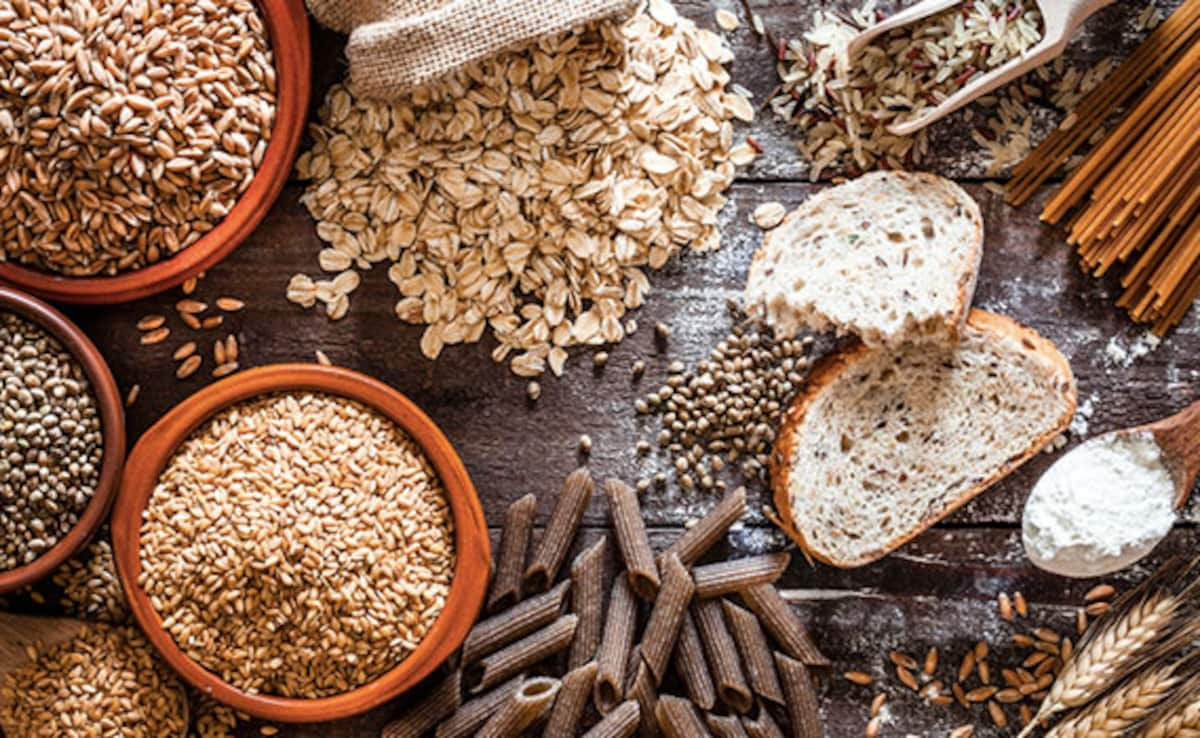
Gluten is a protein found in wheat, barley, and rye.
Some people have trouble digesting it, which can cause health problems.
A gluten-free diet is necessary for people with celiac disease or gluten sensitivity.
For others, it might not be necessary and could even lead to nutritional deficiencies.
Dr. Alok Chopra explains that modern gluten is different from what our ancestors ate and can cause inflammation and other health issues.
He suggests removing gluten for four weeks to see if symptoms improve.
However, it's important to eat a balanced diet and consult a doctor before making big changes to what you eat.

Gluten-free diets are essential for individuals with celiac disease or gluten sensitivity.
Modern gluten is hybridized and processed, potentially causing inflammation and gut issues.
Common symptoms of gluten sensitivity include digestive distress, fatigue, and joint inflammation.
Gluten-free diets may lead to nutritional deficiencies if not carefully managed.
Consulting a doctor before making dietary changes is crucial for overall health.
- Who
- General population, individuals with celiac disease or gluten sensitivity
- What
- Gluten-free diets and their health implications
- When
- Recent years due to increased health consciousness
- Where
- Globally, with a focus on India
- Why
- Perceived health benefits, gluten sensitivity, and modern gluten processing
- Gluten Sensitivity
- Inflammation, leaky gut, autoimmune response
- Common Symptoms
- Digestive distress, fatigue, joint inflammation, weight gain, hormonal imbalance
- Essential for
- Celiac disease, gluten sensitivity
- Potential Risks
- Nutritional deficiencies, gastrointestinal issues, weight gain
- Recommended Foods
- Fruits, vegetables, meats, dairy, legumes, nuts, quinoa, rice
- Expert Advice
- Consult a doctor before major dietary changes