Archive · 20 Sep 2026
Trump Cuts Camp David Trip as Middle East Tensions Rise
The United States warned Americans that fighting in the Middle East could get worse quickly.
Embassies in several countries told people to be careful and watch for canceled flights or closed airspace.
Yemen’s Houthi group said it attacked places in Saudi Arabia with missiles and drones.
Saudi officials said they stopped a missile headed toward Riyadh.
Fires and smoke were also seen near Riyadh’s main airport.
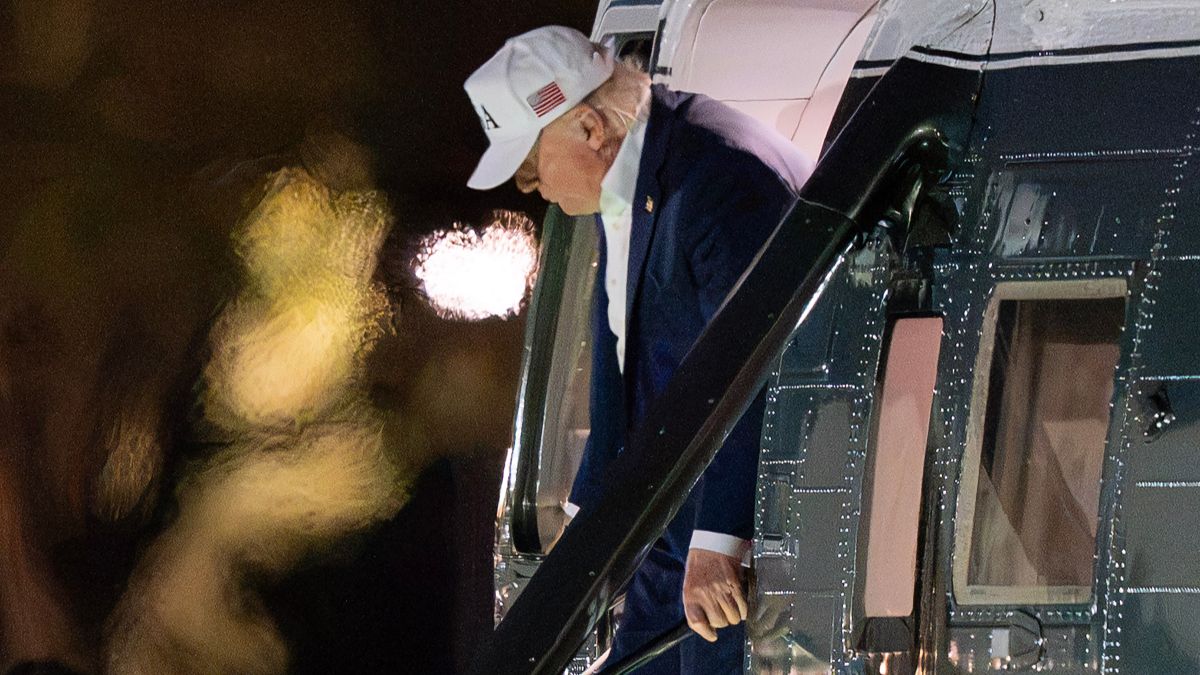
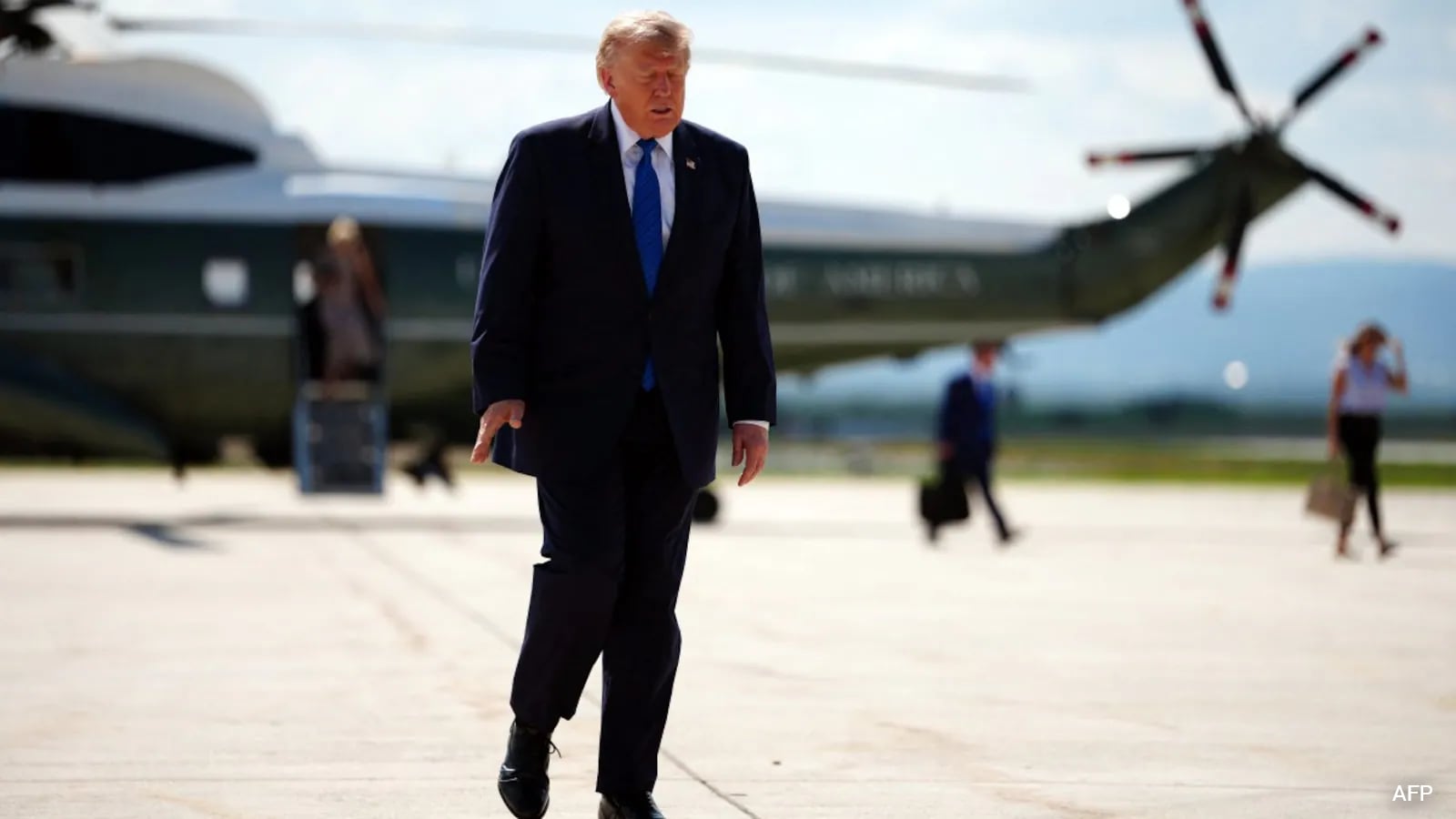
President Donald Trump changed his plans to stay at Camp David, but officials did not say why.
Reports differed about whether he returned to Washington on Saturday or was expected back on Monday.
A military jet also stopped a small aircraft that entered restricted airspace near Camp David.
An Iranian official said Iran could work toward peace but was also prepared for more fighting.

US embassies and the State Department issued security alerts across nine Middle Eastern countries amid fears of rapid escalation.
The warnings cited possible flight cancellations, airspace closures, border changes, and other travel disruptions.
Yemen’s Houthis claimed missile and drone attacks on sites in Riyadh and Saudi Arabia’s Red Sea region.
Saudi authorities said they intercepted and destroyed a ballistic missile fired toward Riyadh, with no casualties confirmed.
Trump changed his Camp David schedule without an official explanation, while a NORAD F-16 separately intercepted an aircraft near the retreat.
- Who
- The US State Department and embassies, American citizens, President Donald Trump, Yemen’s Houthis, Saudi authorities, NORAD, and Iranian official Mohsen Rezaei.
- What
- Security alerts were issued as reported attacks on Saudi Arabia raised concerns that the Middle East conflict could escalate rapidly.
- When
- The alerts, reported attacks, and Camp David schedule change occurred over the weekend; reports differed on Trump’s precise return timing.
- Where
- The alerts covered nine Middle Eastern countries, including Saudi Arabia, Oman, Lebanon, Jordan, Iraq, Bahrain, Kuwait, and Israel; Trump was at Camp David in Maryland.
- Why
- The warnings followed claimed Houthi attacks on Saudi targets, a reported missile interception near Riyadh, and broader regional tensions.
Diplomatic Engagement
Military Readiness
Iran’s proposed path forward
Diplomatic Engagement
Mohsen Rezaei said Iran remained open to a long-lasting peace agreement if the naval blockade ended, Iranian assets were unfrozen, and the wider war—especially on the Yemeni front—stopped.
Military Readiness
Rezaei also said Iran was prepared for another round of confrontation if necessary, while US alerts warned that the conflict could escalate rapidly.
- Security advisories
- The State Department issued advisories in nine countries, including Oman, Lebanon, Jordan, Iraq, Bahrain, Kuwait, and Saudi Arabia.
- Embassy notices
- US embassies in Israel, Iraq, Lebanon, and Oman sent Smart Traveler Enrollment Program notices.
- Travel risks
- Americans were warned about possible flight cancellations, airspace closures, border changes, and travel disruptions.
- Saudi missile incident
- Saudi authorities said they intercepted and destroyed a ballistic missile fired toward Riyadh.
- Airport disruption
- FlightRadar24 listed King Khalid International Airport at Level 5 on its disruption index.
- Camp David interception
- A NORAD F-16 intercepted a general aviation aircraft in restricted airspace over Thurmont, Maryland, and deployed flares.
- Iranian conditions
- Mohsen Rezaei cited ending the naval blockade, unfreezing Iranian assets, and stopping the wider war as conditions for lasting peace.