

Archive · 11 Sep 2026
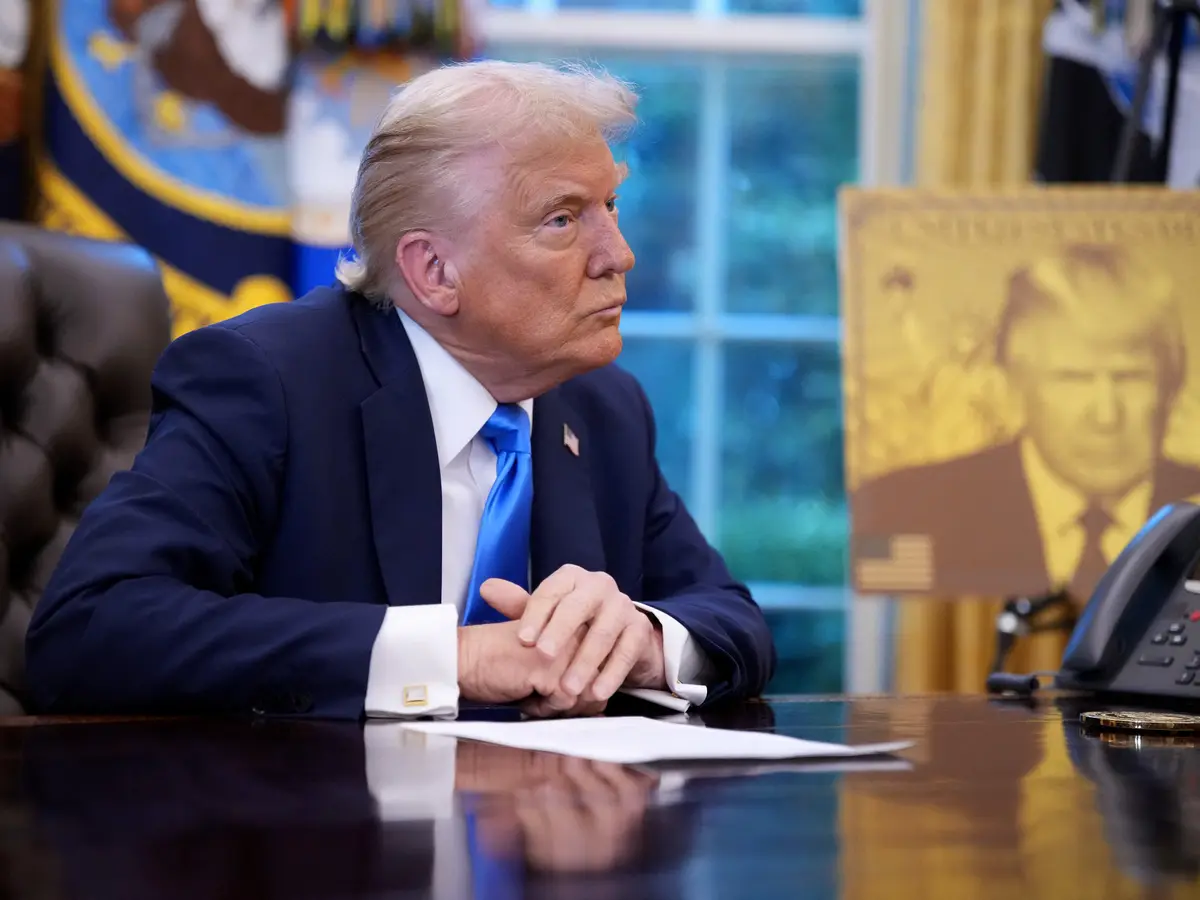
Trump Administration Proposes Ending 60-Day H-1B Grace Period

The United States may remove extra time that some foreign workers get after losing a job.
This time is called a 60-day grace period.
H-1B workers currently use it to find another employer or prepare to leave.
The proposed rule would usually require them to leave when their job ends.
It would also affect several other temporary work visas.
The government says some jobs could instead go to qualified American workers.
Companies and immigration lawyers say the change could make layoffs and departures harder to manage.
The proposal is not final and people can comment on it for 60 days.

The Trump administration proposed ending the discretionary 60-day grace period for H-1B and several other temporary visa holders who lose their jobs.
If finalized, affected workers would generally have to leave the United States when their employment ends unless they have separate authorization to remain.
The current grace period lets workers seek a new sponsor, change status, or arrange practical matters such as housing, belongings, and children’s schooling.
DHS said employers could offer affected positions to qualified U.S. workers or file a new I-129 petition for foreign workers who later seek to return.
The proposal could disrupt technology, consulting, and outsourcing companies and will undergo a 60-day public comment period before a final rule.
- Who
- The Trump administration, the U.S. Department of Homeland Security, foreign workers, employers, and immigration lawyers.
- What
- A proposal to eliminate the discretionary 60-day period allowing certain temporary visa holders to remain in the United States after employment ends while seeking another sponsor or preparing to leave.
- When
- The proposal was posted on a Thursday and will be open to public comments for 60 days; reports differ on whether the grace-period rule began in 2016 or 2017.
- Where
- The United States and its temporary employment-based visa system.
- Why
- DHS said the change would link nonimmigrant status directly to the employment supporting it and reduce administrative burden; critics said it would compress the time workers and employers have to manage job loss and departure.
Administration Rationale
Worker and Employer Concerns
Who should fill affected jobs
Administration Rationale
DHS said employers could offer positions to equally qualified U.S. workers or file a new petition when they need foreign employees.
Worker and Employer Concerns
Technology, consulting, and outsourcing companies rely on skilled foreign workers, so the change could disrupt their staffing.
Link between employment and status
Administration Rationale
DHS said eliminating the grace period would restore a direct relationship between a worker’s nonimmigrant status and the employment supporting it while reducing administrative burden.
Worker and Employer Concerns
Immigration lawyers said the proposal would sharply compress the time companies have to manage layoffs and offboarding for foreign-national employees.
Options after job loss
Administration Rationale
DHS said workers who leave the country could potentially return if an employer later files a fresh petition for them.
Worker and Employer Concerns
Workers would lose the current cushion to find a new sponsor from inside the United States or handle housing, belongings, and family-school arrangements before departure.
- Current grace period
- Up to 60 days after employment ends for certain workers to seek another job, change status, or prepare to leave.
- Proposed effect
- Affected workers would generally have to leave the United States when employment ends unless they have separate authorization to remain.
- Visa categories
- The proposal covers E-1, E-2, E-3, H-1B, H-1B1, L-1, O-1, and TN workers, as well as some dependents.
- Grace-period purpose
- Workers can look for a new sponsor, pursue another eligible status, sell a home, move belongings, or arrange children’s schooling.
- DHS position
- Employers could offer the same positions to equally qualified U.S. workers or use the I-129 petition process for foreign workers.
- Industries affected
- Technology, consulting, and outsourcing companies rely heavily on workers covered by the proposal.
- Next step
- The proposal must go through a 60-day public comment period before the administration can issue a final rule.
Sources
Trump Administration Proposes Ending H-1B Grace Period After Job Losstel
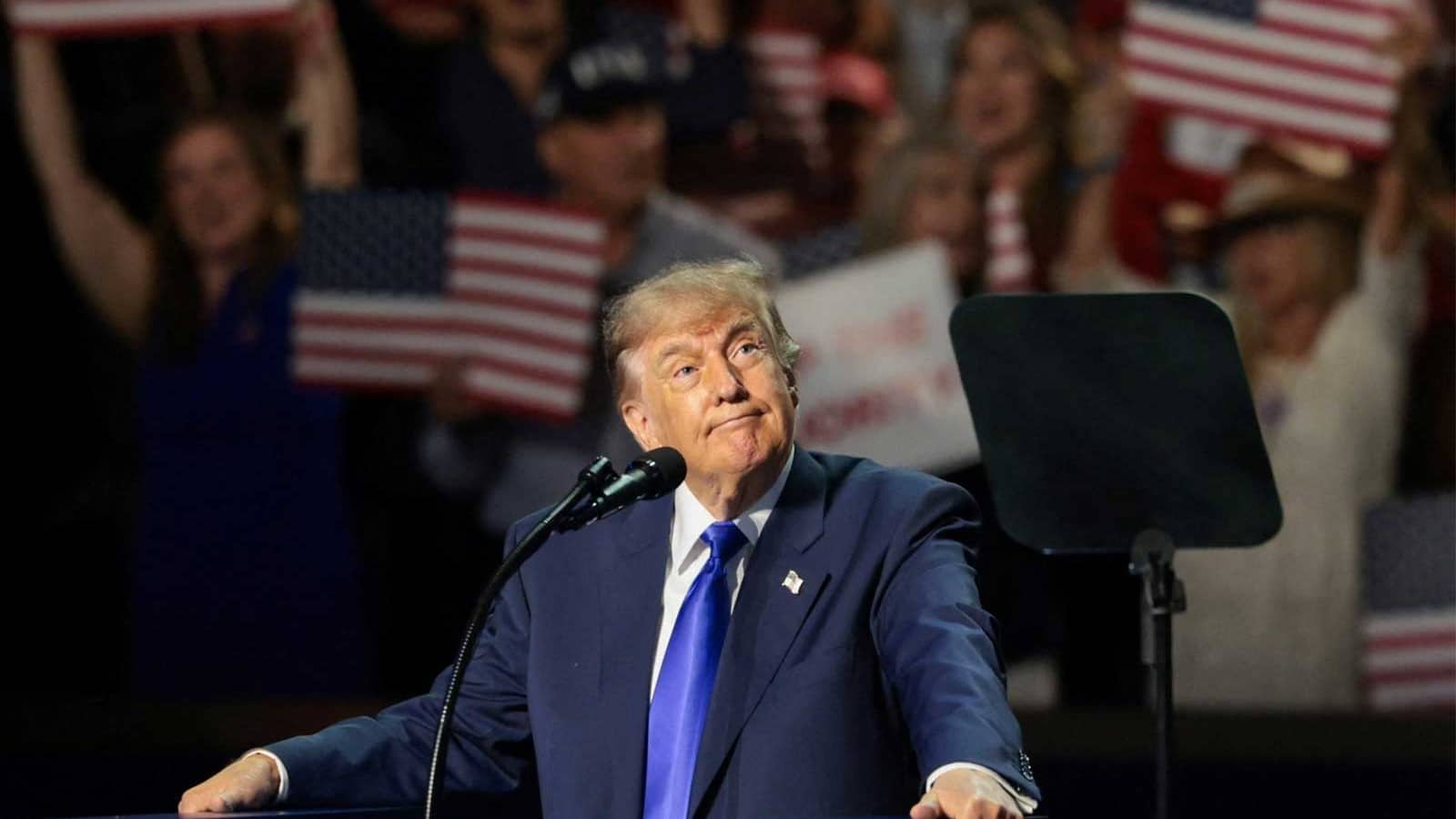
H-1B Visa Shock: Trump Administration Moves To Scrap 60-Day Grace Period After Job Loss
Trump administration proposes to end 60-day grace period for H-1B workers after job loss

H-1B visa issue: Trump administration proposes scrapping 60-day grace period, Indian techies to be affected

Trump administration proposes ending 60-day grace period for H-1B workers
Trump administration to end 60-day grace period for H-1B visa holders after job loss
Trump proposes to scrap 60-day H-1B visa grace period, Indians could be hit
Trump administration proposes to end 60 day H-1B grace period after job loss; Indian workers to get impacted
