2 hrs ago
Sydney Near-Miss Raises Questions Over Air Traffic Controller Fatigue

Two Qantas airplanes almost crashed into each other at Sydney Airport.
One plane was landing while another had been allowed to cross the runway.
This happened on July 27.
Five of the 10 air traffic controllers working then were marked as having a high risk of fatigue.
The system estimates fatigue risk using schedules and workloads, but it does not prove someone is actually tired.
A manager said the situation was unusual and that people were shaken.
The event was the first of six near-misses at the airport in about a month.
Investigators are checking whether staffing and fatigue problems contributed to the incidents.

Five of 10 controllers on duty during the July 27 incident were rated at high fatigue risk.
A landing Qantas turboprop narrowly avoided a Qantas Boeing 737 cleared to cross the runway.
Two of the three controllers directly involved were rated highly fatigued, while the third was rated medium.
Airservices Australia reported unusually high short-term absences in Sydney during the six weeks to August 28.
The Australian Transport Safety Bureau is investigating six Sydney Airport near-misses for shared safety issues.
- Who
- Two Qantas aircraft and the air traffic controllers managing them were involved; the Australian Transport Safety Bureau is investigating.
- What
- A landing Qantas turboprop narrowly avoided a Qantas Boeing 737 that had been cleared to cross the runway.
- Where
- Sydney Airport, Australia.
- When
- The near-miss occurred on July 27; Reuters reported the findings on September 4.
- Why
- Internal records and interviews raised concerns about high fatigue-risk ratings, staffing shortages, overtime and unusually high short-term absences; investigators have not determined the cause.
Staffing and Fatigue Concerns
System Measures and Ongoing Investigation
Impact of staffing shortages
Staffing and Fatigue Concerns
Civil Air and controllers told Reuters that shortages, overtime, fewer days off and increased pressure are raising fatigue risks and making mitigation difficult.
System Measures and Ongoing Investigation
Airservices Australia declined to comment because the incident investigation is ongoing; its materials said unusually high short-term absences had significantly affected its ability to fill operational shifts.
Meaning of fatigue ratings
Staffing and Fatigue Concerns
The union and controllers said high-risk ratings are a serious safety concern and that controllers believed to be highly fatigued should not work under safety regulations.
System Measures and Ongoing Investigation
The fatigue-management system estimates risk from factors such as workload and scheduling; it does not measure whether a controller is actually fatigued, and managers can apply measures such as longer breaks or ending shifts early.
Cause of the near-misses
Staffing and Fatigue Concerns
The incident and five other near-misses have intensified scrutiny of staffing and fatigue among air traffic controllers.
System Measures and Ongoing Investigation
The Australian Transport Safety Bureau is investigating all six incidents to determine whether they share safety issues or contributing factors; no final cause was reported.
Key facts
- Incident date
- July 27
- Location
- Sydney Airport
- Aircraft involved
- A landing Qantas turboprop and a Qantas Boeing 737
- Controllers on duty
- 10
- High-fatigue ratings
- Five controllers, including two of the three directly involved
- Near-misses under investigation
- Six at Sydney Airport in about a month
- Staffing impact
- Airservices Australia reported unusually high short-term absences in Sydney during the six weeks to August 28
Quotes
Sydney air traffic control shift manager
Shift manager speaking to an air traffic management director after the near-miss
“Thankfully, they didn’t hit, but it was pretty close and everyone up here is pretty rattled by it”
 theprint.in
“We’ve got like five high fatigues on this morning. It’s a bit insane”
theprint.in
Scott Nugent
Civil Air president representing about 85% of Australian air traffic controllers
“However, short staffing leads to people working more overtime, having fewer days off, working under more pressure and fatigue increasing”
theprint.in
Sources
Related news
Australia Investigates Fourth Sydney Airport Close Call in Month
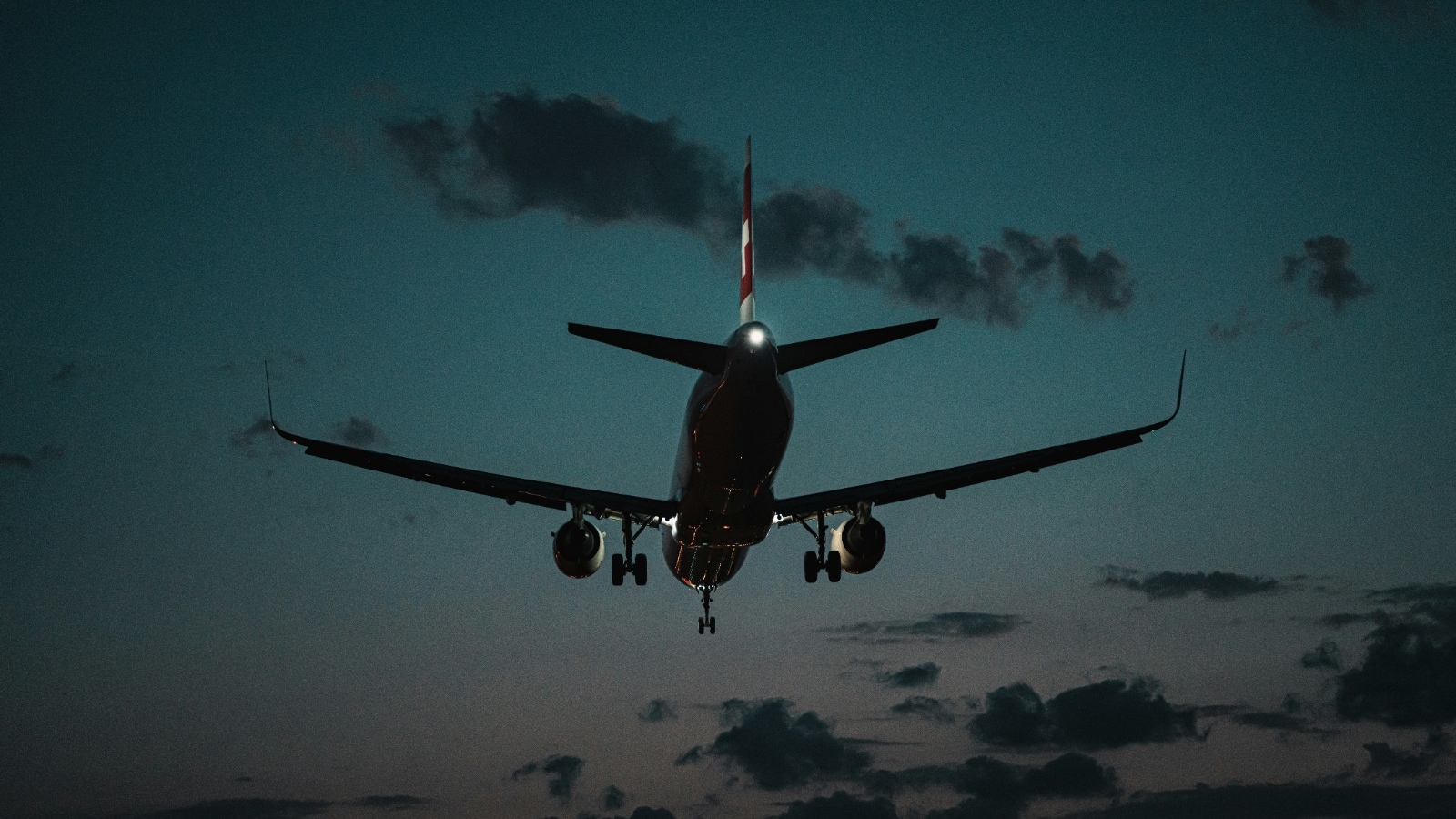
Jetstar and Qatar Airways Planes Nearly Collide at Sydney Airport
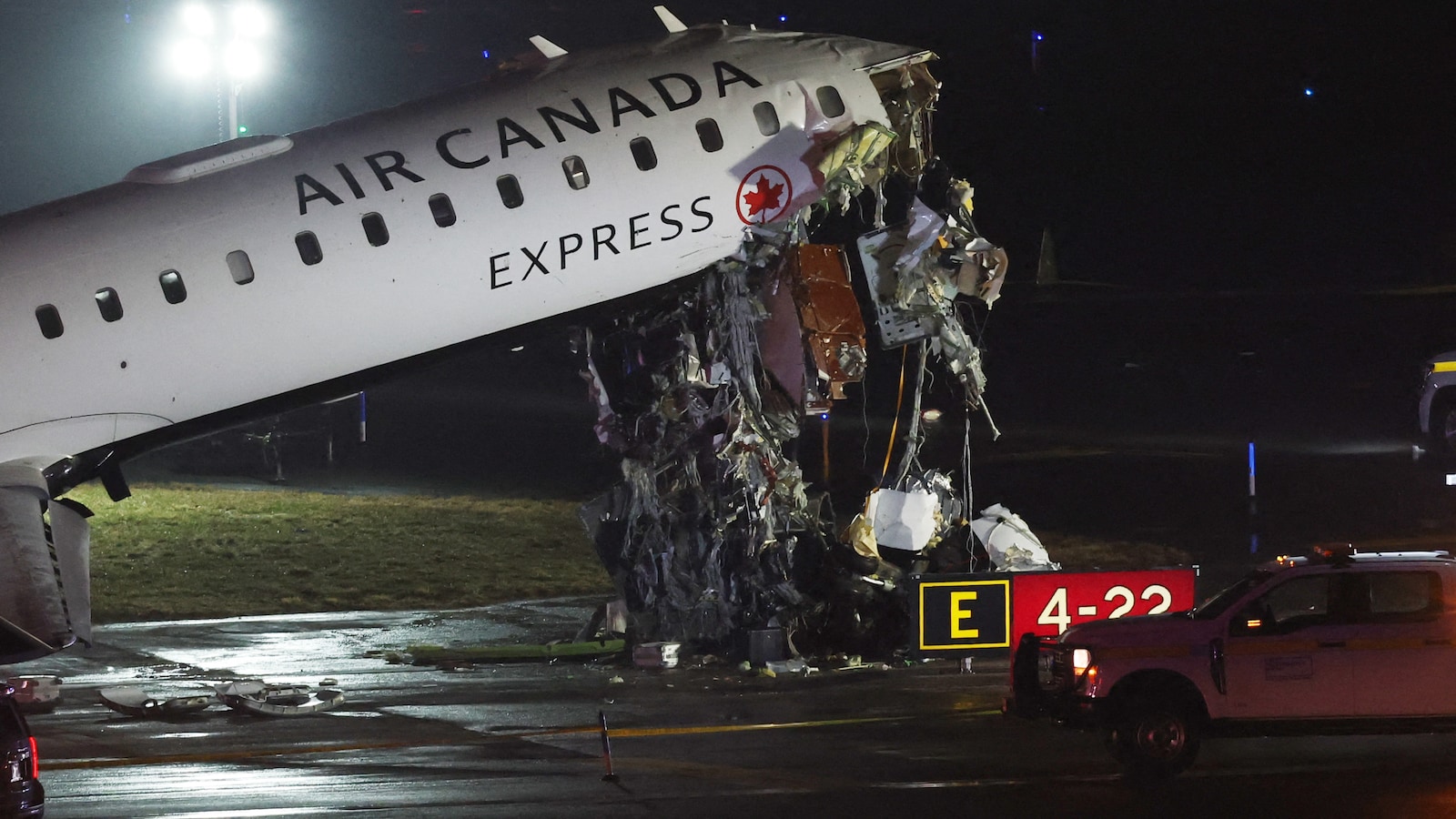
LaGuardia Controllers Faced Discipline After Fatal Runway Crash

FAA Says LaGuardia Controllers Left Early Before Fatal Crash

Restricted Airspace Breached Near Trump's Bedminster Golf Club, F-16s Scramble

BCCI Bans Bengal Leg-Spinner Rohit Yadav Over Age Fraud
Peter Siddle Appointed New South Wales Bowling Coach
Families Urge Rubio to Expand Search for Missing Nepal Relatives
Australia Sends Drone Specialists to Nepal Search for Missing Citizens

Heyy Babyy 2 Announced, Original Cast Return Unclear