

Archive · 1 Jul 2025
15th-Century Inscription Unearths Temple Rituals
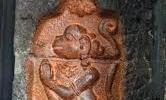
Imagine a king from a long time ago named Kapilendra Deva who really loved the temple at Simhachalam.
He started a special tradition where they gave Lord Narasimhanatha some tasty treats every day!
This included Enduri Pitha, which is like a special steamed cake, and Pāna, a sweet drink.
The king made sure to pay for these treats so the tradition would keep going.
Now, historians have found an old stone with writing on it (an inscription) that tells us all about this cool tradition.
It's like finding a recipe from the past!

A 15th-century inscription was discovered at Simhachalam Temple.
The inscription details Kapilendra Deva's initiation of daily Enduri Pitha and Pāna offerings.
Offerings were part of the deity's post-bathing ritual (majjana abakāśa).
A monthly grant was allocated to ensure the ritual's continuity.
Historians view this as an early record of these foods in temple rituals.
- Who
- Kapilendra Deva, the Gajapati ruler, initiated the ritual; Gurudasā Jena (Bhoga Parichha) managed it.
- What
- Discovery of a 15th-century inscription detailing food and drink offerings to Lord Narasimhanatha.
- When
- Dated to the 25th Regnal year of Kapilendra Deva (1436–1467 CE).
- Where
- Simhachalam Temple.
- Why
- To honor Lord Narasimhanatha as part of his post-bathing ritual and ensure the smooth functioning of the temple.
- Inscription Date
- 15th Century (25th Regnal year of Kapilendra Deva)
- Ruler
- Kapilendra Deva, Gajapati ruler of Odisha
- Temple
- Simhachalam Temple
- Offerings
- Enduri Pitha (steamed cake) and Pāna (sweet drink)
- Ritual
- Majjana abakāśa (post-bathing ritual)
- Steward
- Gurudasā Jena (Bhoga Parichha)
- Monthly Grant
- Six tanka (6 Rupees in Odiya)