

Archive · 20 Jul 2026
India Needs Mobility-Focused Care for Elderly
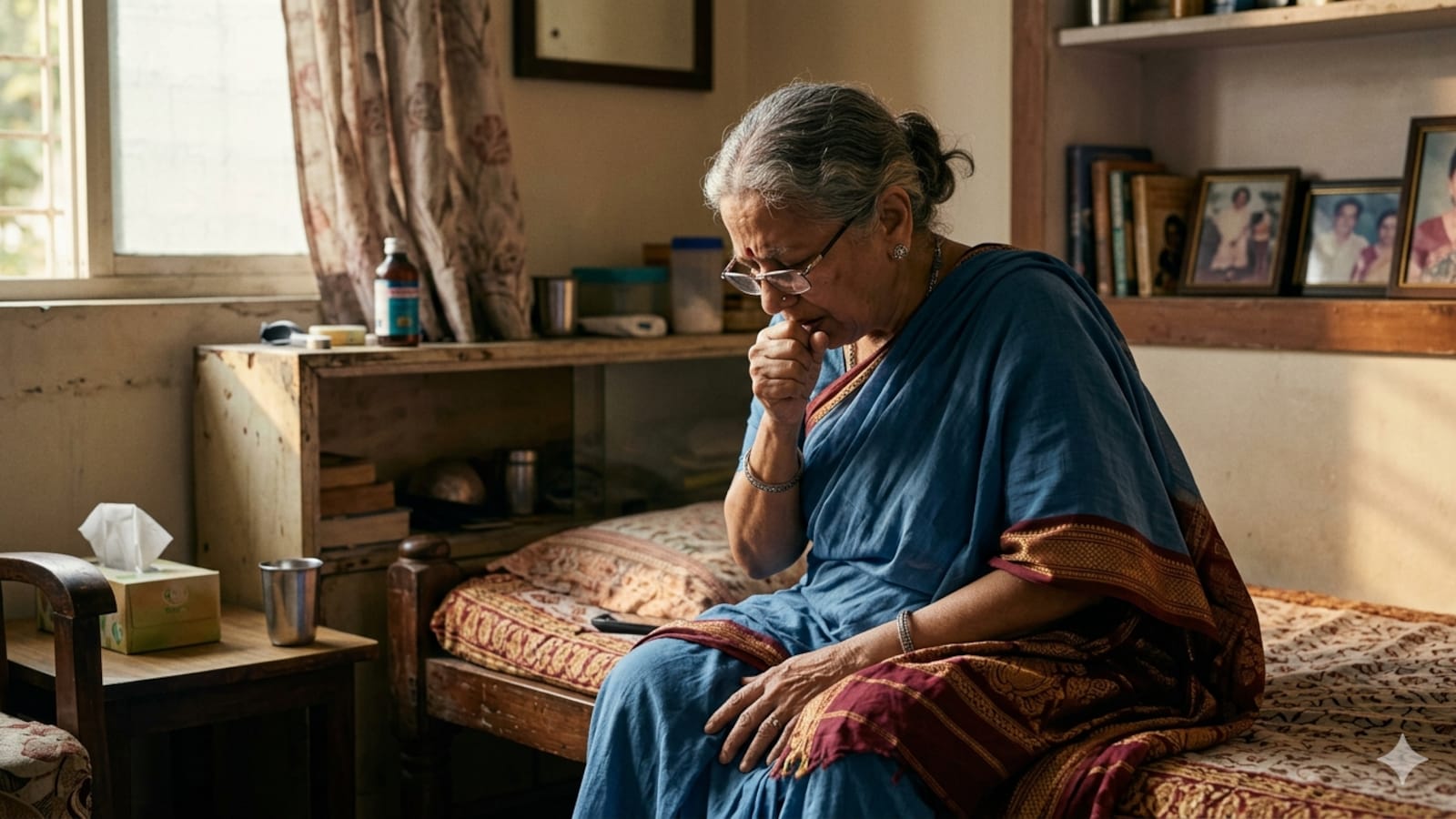
India's elderly population is growing, and experts say the healthcare system needs to change.
Instead of just treating diseases, it should focus on keeping older adults healthy and mobile.
Right now, many older adults develop chronic illnesses like diabetes and hypertension earlier than in Western countries.
Experts believe that coordinated care involving doctors, physiotherapists, nutritionists, and rehabilitation specialists is better than seeing multiple specialists separately.
This approach can help prevent frailty and keep older adults independent for longer.
Additionally, regular physical activity, early intervention, and managing risk factors like blood pressure and cholesterol can improve both longevity and quality of life.
Changing family structures also make it harder to care for elderly relatives, so integrated care models are becoming more important.

India's elderly population is projected to reach 347 million by 2050.
Chronic illnesses like diabetes and hypertension often develop by age 50 in India, earlier than in Western countries.
Experts advocate for integrated care models combining physician consultations with physiotherapy, rehabilitation, nutrition counselling, and regular monitoring.
Current fragmented healthcare approaches overlook mobility, nutrition, and pain management, increasing frailty and loss of independence.
Preventive care, regular physical activity, and early intervention can significantly delay frailty and maintain independence in older adults.
- Who
- Healthcare experts and elderly population in India
- What
- Need for mobility-focused care and preventive healthcare for the elderly
- When
- As India's elderly population grows, with projections reaching 347 million by 2050
- Where
- India
- Why
- To ensure older adults remain healthy, mobile, and independent, shifting from disease-centric treatment to integrated care models
Disease-Centric Approach
Preventive and Continuous Care
Healthcare Focus
Disease-Centric Approach
Current healthcare system focuses on treating individual diseases through isolated consultations.
Preventive and Continuous Care
Experts advocate for a shift towards preventive and continuous care that preserves mobility and independence.
Care Coordination
Disease-Centric Approach
Fragmented approach with multiple specialists working independently.
Preventive and Continuous Care
Integrated care models combining physician consultations with physiotherapy, rehabilitation, nutrition counselling, diagnostics, and regular monitoring.
Mobility and Independence
Disease-Centric Approach
Overlooks mobility, nutrition, rehabilitation, and pain management, increasing frailty and loss of independence.
Preventive and Continuous Care
Preserving mobility, strength, and independence through coordinated interventions.
- Elderly Population Projection
- 347 million by 2050
- Chronic Illnesses Onset
- By age 50, nearly a decade earlier than in Western countries
- Osteoporosis Prevalence
- More than 60 million Indians above 50
- Osteoarthritis Prevalence
- Over 50 million Indians above 50
- Healthspan Focus
- Years spent in good health rather than just increasing life expectancy