Archive · 30 Dec 2025
NYT Criticized for Misrepresenting RSS
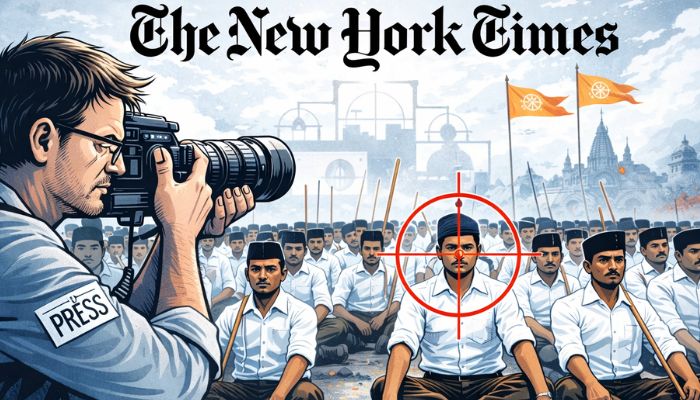
The New York Times published an article criticizing the Rashtriya Swayamsevak Sangh (RSS), a large Hindu organization in India.
The article calls the RSS a 'far-right' group and says it secretly controls many parts of the Indian government and society.
Critics say this is not true.
They argue that the RSS is an open organization that works to improve society and does not hide its activities.
The critics also say the NYT is using old, unfair comparisons to make the RSS look bad.
They believe the NYT is trying to scare people by making the RSS seem like a dangerous group, which it is not.
The critics think the NYT should be more fair and accurate in its reporting.

The New York Times published an article titled 'From the Shadows to Power: How the Hindu Right Reshaped India' criticizing the RSS.
Critics argue the NYT misrepresents the RSS as a far-right, secretive organization with significant influence over Indian institutions.
The NYT article draws parallels between early RSS leaders and European fascist parties, which critics say is misleading and lacks context.
Critics claim the NYT's allegations of the RSS infiltrating institutions are baseless and lack evidence.
The NYT's portrayal of the RSS as a shadowy, powerful group is seen as an attempt to delegitimize Hindu self-organization in India.
- Who
- The New York Times and critics of the article
- What
- Criticism of the NYT for misrepresenting the RSS as a far-right, secretive organization
- When
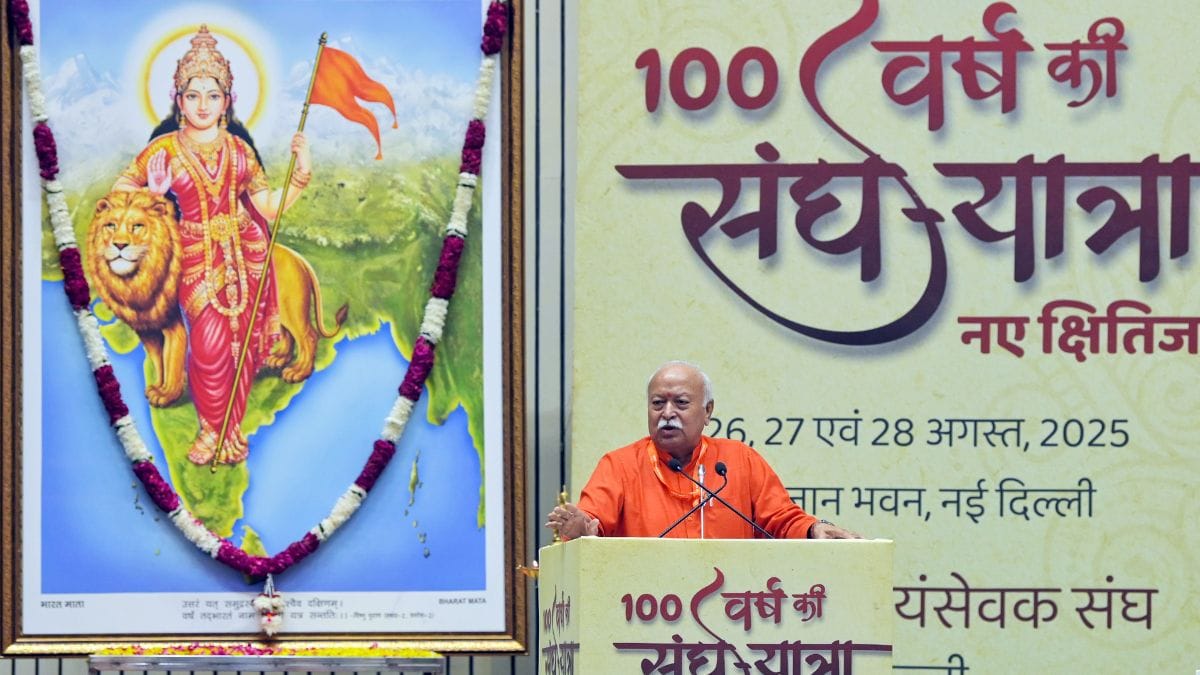
- 26th December, during the RSS's centenary celebrations
- Where
- India
- Why
- To highlight the NYT's biased portrayal of the RSS and its influence on Indian institutions
Critics of NYT Article
NYT Article Perspective
RSS's Nature and Influence
Critics of NYT Article
The RSS is a volunteer-based cultural organization that operates openly and is not a secret society or far-right group as portrayed by the NYT.
NYT Article Perspective
The NYT article portrays the RSS as a shadowy, far-right organization with significant influence over Indian institutions, drawing parallels to fascist movements.
Historical References
Critics of NYT Article
Critics argue that the NYT's use of historical references to fascism is misleading and lacks context, as the RSS's early leaders' inspirations do not equate to current ideologies.
NYT Article Perspective
The NYT article suggests that early RSS leaders drew inspiration from fascist parties in Europe, implying a connection to authoritarian ideologies.
Institutional Infiltration
Critics of NYT Article
Critics claim that the NYT's allegations of the RSS infiltrating institutions are baseless and lack evidence, presenting ideological proximity as subversion.
NYT Article Perspective
The NYT article alleges that the RSS has infiltrated various Indian institutions, including the judiciary, police, media, and academia, without providing concrete evidence.
- Organization
- Rashtriya Swayamsevak Sangh (RSS)
- Article Title
- From the Shadows to Power: How the Hindu Right Reshaped India
- Authors
- Mujib Mashal and Hari Kumar
- Publication Date
- 26th December
- Publication
- New York Times
- Criticism Focus
- Misrepresentation of the RSS as a far-right, secretive organization
- Key Allegation
- Infiltration of Indian institutions
- Historical Reference
- Early RSS leaders' inspiration from European fascist parties