Archive · 10 Jan 2026
Punjab Health Dept Issues Cold Wave Advisory
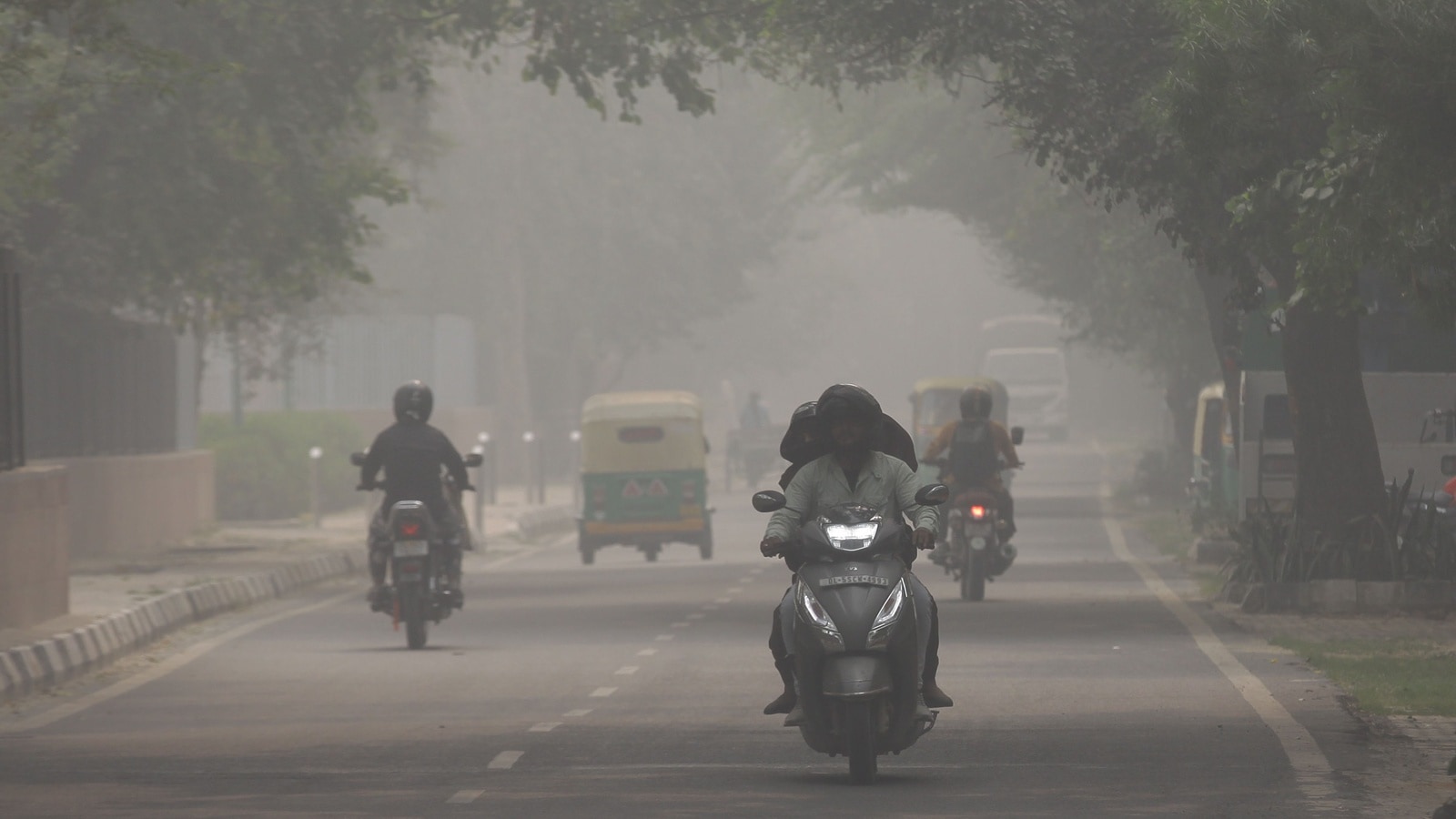
The health department in Punjab's Shaheed Bhagat Singh Nagar has issued an advisory to help people stay safe during the cold wave.
They say that being in the cold for too long can be very dangerous, especially for older people, young children, and those with heart problems.
The doctors advise wearing warm clothes, drinking warm liquids like tea and soup, and eating foods rich in vitamin C. They also warn against burning fire pots or coal inside closed rooms because it can produce a harmful gas called carbon monoxide.
Additionally, people should avoid drinking alcohol in the cold as it can lower body temperature and increase the risk of hypothermia.
The health department urges everyone to follow these tips and seek medical help if needed.

Punjab's District Health Department issued a cold wave advisory for Shaheed Bhagat Singh Nagar.
Vulnerable groups, including the elderly, children, and heart patients, are at higher risk.
Residents advised to wear warm clothing, avoid alcohol, and consume warm liquids.
Burning fire pots or coal in closed rooms is dangerous due to carbon monoxide risk.
Health officials emphasize seeking immediate medical attention for cold-related health issues.
- Who
- Residents of Shaheed Bhagat Singh Nagar, Punjab, especially elderly, children, and heart patients
- What
- Health advisory issued to protect against cold-related health risks
- When
- Issued on Friday, during a severe cold wave
- Where
- Shaheed Bhagat Singh Nagar, Punjab
- Why
- To prevent serious medical complications due to prolonged exposure to cold
- Location
- Shaheed Bhagat Singh Nagar, Punjab
- Issued By
- District Health Department
- Vulnerable Groups
- Elderly, children, heart patients
- Health Risks
- Pneumonia, vomiting, diarrhoea, hypothermia
- Recommended Actions
- Wear warm clothing, avoid alcohol, consume warm liquids
- Dangerous Practices
- Burning fire pots in closed rooms, alcohol consumption
- Expert Advice
- Dr. Gurinderjeet Singh, Civil Surgeon; Dr. Rakesh Pal, District Epidemiologist