

Archive · 27 Aug 2026
Iran Faces Fresh US Sanctions as Tehran Vows Resistance
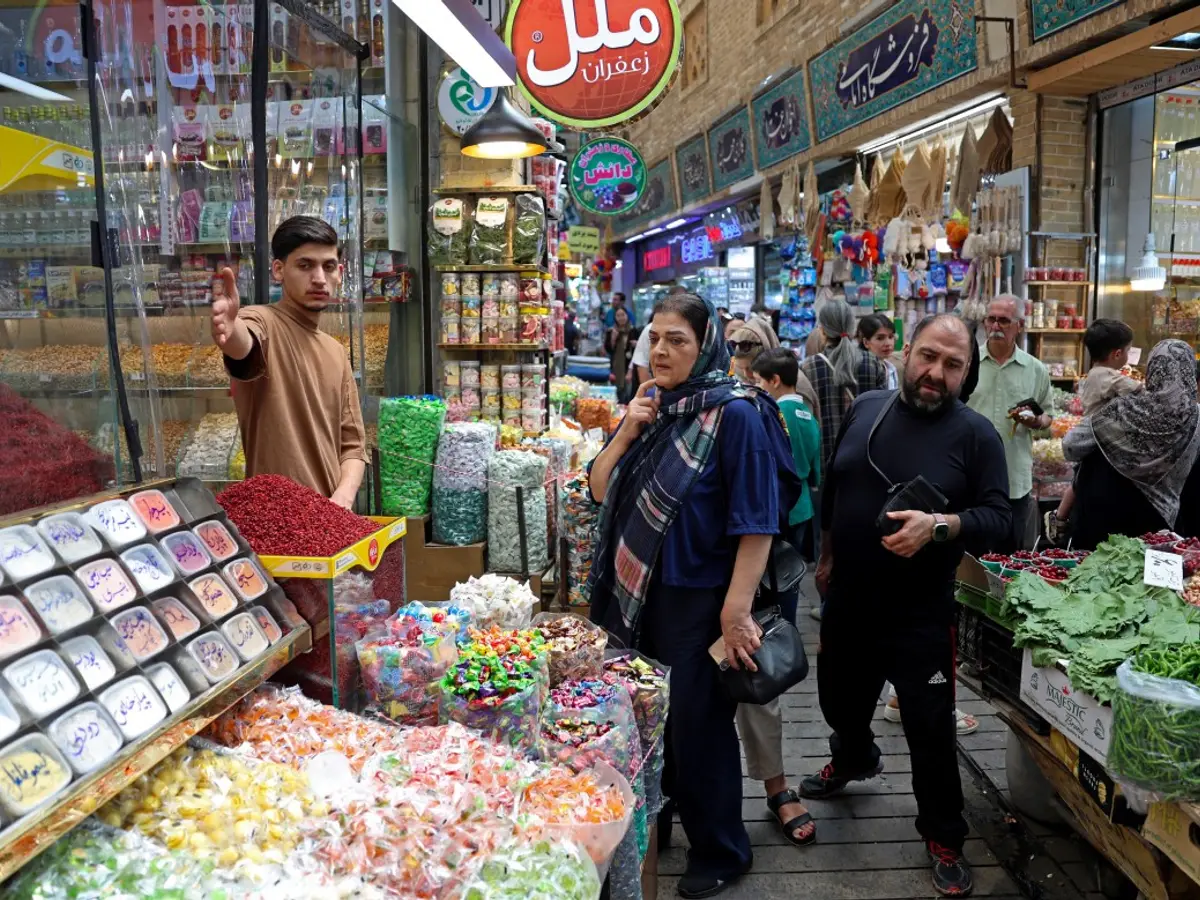
The United States has announced new sanctions against Iran to put pressure on its economy.
Sanctions can make it harder and more expensive for a country to trade.
Shopkeepers in Iran say imported products now cost more and families are struggling with higher living costs.
Some Iranian business owners also criticize officials for not doing enough to help people.
Iran’s leaders say the country can survive the pressure.
They expect China and Russia to continue trading with Iran.
The Strait of Hormuz, an important route for ships, has also been disrupted during the conflict.
Iran and Oman have discussed creating a temporary safe passage and clearing mines from the waterway.

Fresh US sanctions are increasing pressure on Iran’s strained economy and weakening currency.
Bandar Abbas shopkeepers report higher exchange rates, import costs and household financial strain.
Washington says continued Iran trade could eventually threaten countries’ access to the dollar-based financial system.
Tehran says China and Russia can help Iran withstand pressure and avoid isolation.
Iran and Oman discussed a temporary navigation corridor and mine-clearing plan for the Strait of Hormuz.
- Who
- The United States, Iran, Iranian businesses, China, Russia, Oman and other countries trading through the Strait of Hormuz.
- What
- The United States imposed fresh sanctions on Iran, while Tehran said it could withstand the pressure; shipping through the Strait of Hormuz has also been disrupted.
- When
- The latest US measures were announced on August 24; Iran and Oman discussed navigation plans on Tuesday.
- Where
- The economic effects are being reported in Bandar Abbas, Iran, while the shipping disruption concerns the Strait of Hormuz.
- Why
- Washington aims to increase pressure on Iran, while Iran says sanctions will not force it into isolation and is seeking cooperation over the Strait of Hormuz.
Iranian Position
US Pressure Position
Economic resilience
Iranian Position
Tehran says Iran can withstand the sanctions, avoid isolation and rely on major trading partners such as China and Russia. Iranian shopkeepers also say people have learned to bypass sanctions.
US Pressure Position
Washington is using sanctions to increase pressure on Iran and says continued trade with Iran could eventually threaten access to the dollar-based financial system.
Effect on ordinary people
Iranian Position
Iranian shopkeepers say sanctions are raising exchange rates and the prices of imported goods, putting pressure on livelihoods and household budgets. One business owner also criticized officials for failing to address people’s suffering.
US Pressure Position
The US measures are presented as economic pressure on Iran, but the articles do not state that Washington has provided a specific assessment of their effect on Iranian households.
Strait of Hormuz
Iranian Position
An Iranian shopkeeper said the Strait is Iran’s home and should remain closed unless Iran permits or cooperates in its use.
US Pressure Position
Disruption of the Strait affects a vital global shipping route, while Iran and Oman discussed a temporary navigation corridor and mine-clearing plan.
- Sanctions announced
- August 24
- US warning
- Countries continuing to trade with Iran could eventually risk losing access to the dollar-based financial system.
- Economic impact
- Iranian shopkeepers reported higher exchange rates, rising import costs and pressure on household budgets.
- US approach
- The measures stopped short of the most severe options, and Washington did not name possible target countries or provide a timeline.
- Trading partners
- Iran is counting on China and Russia to continue doing business with it.
- Shipping route
- Most shipping through the Strait of Hormuz has been disrupted during the conflict.
- Navigation proposal
- Iran and Oman discussed a temporary joint navigation corridor and a plan to clear mines from the Strait.