

Archive · 6 Aug 2026
India may release pulses buffer stocks to cool prices
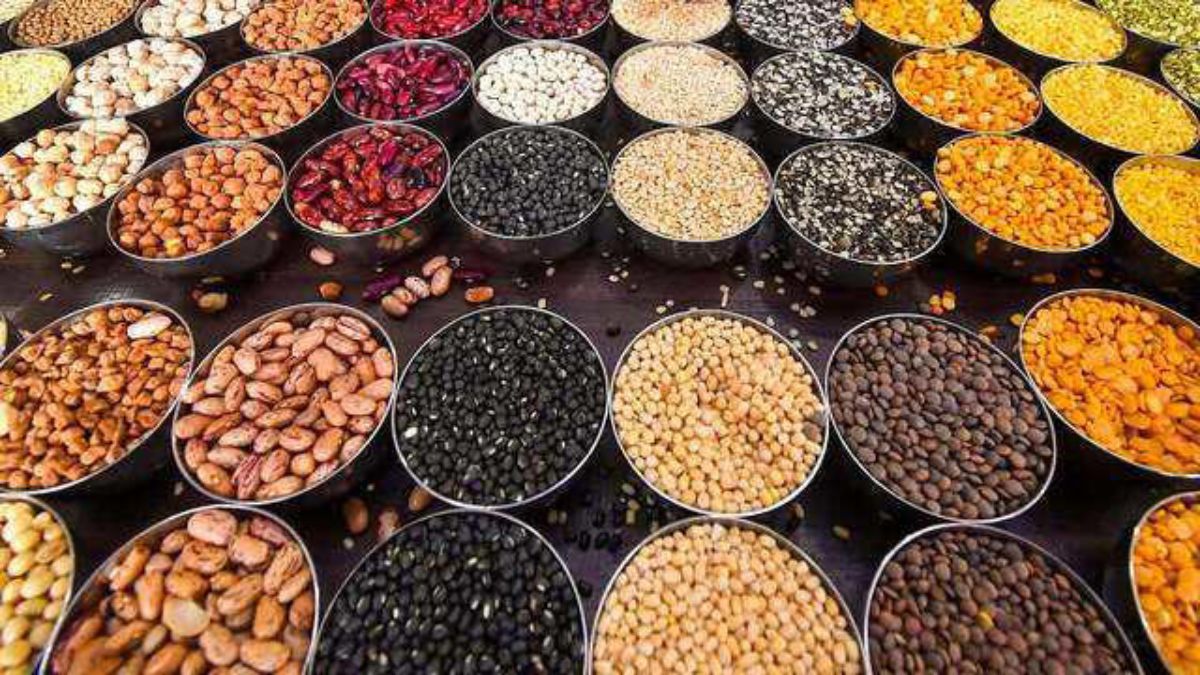
India grows pulses like chickpeas and lentils, which are important foods for many people.
A weather pattern called El Nino may arrive in September and could hurt future crops.
The government has stored about 4.24 million tonnes of extra pulses in big warehouses.
If prices go up, the government can sell some of these stored pulses to help bring prices down.
Prices of tur and urad have already gone up compared to last year.
Farmers planted less land with pulses this year because the monsoon rains were weak in some areas.
India also buys pulses from other countries like Canada and Brazil.
The government made it cheaper to bring in tur and urad from abroad by removing import taxes until 2027.
Stored pulses also stop bad traders from hoarding food to make prices higher.
The government is watching prices carefully to decide whether to sell the stored pulses now or save them for later.

The government may release pulses from its buffer stocks in a calibrated manner if prices rise short-term, amid the looming threat of El Nino on crop output.
The pulses buffer currently stands at about 4.24 million tonnes, held by cooperatives such as Nafed and NCCF under the Price Support Scheme and Price Stabilisation Fund.
Average retail prices of tur and urad rose 3.5% and 6% year-on-year to Rs 123.3/kg and Rs 121.6/kg respectively.
Kharif pulses acreage fell 6.3% year-on-year to 9.51 million hectares, with inadequate monsoon in central and southern India potentially affecting tur and urad yields.
India, which imports 18%-20% of its annual pulses consumption, extended duty-free imports of tur and urad until March 31, 2027, to boost domestic supplies.
- Who
- The Government of India, including the Department of Consumer Affairs and cooperatives Nafed and NCCF.
- What
- The government may offload pulses from its buffer stocks in a calibrated manner to cool short-term price rises, while it also extended duty-free imports of tur and urad.
- When
- El Nino is likely to emerge in September; retail price data was recorded on the latest Wednesday, and the duty-free import policy runs until March 31, 2027.
- Where
- India, including key pulses-growing areas in central and southern India.
- Why
- To counter the threat of El Nino and monsoon shortfalls to crop output, address rising retail prices, and deter hoarding and speculation.
Release buffers to cool prices
Hold stocks for future availability
Timing of buffer stock release
Release buffers to cool prices
Offloading pulses from buffer stocks in a calibrated manner will cool short-term price rises and nudge market players to lower prices, while deterring hoarding and speculation.
Hold stocks for future availability
The Department of Consumer Affairs asked the Department of Agriculture and Farmers' Welfare to temporarily stop open market disposal of PSS pulses to ensure adequate availability in the coming months amid El Nino uncertainties.
- Total pulses buffer stock
- ~4.24 million tonnes
- Buffer under Price Support Scheme (PSS)
- 2.76 million tonnes
- Buffer under Price Stabilisation Fund (PSF)
- 1.47 million tonnes
- Estimated chana buffer
- ~2 million tonnes
- Estimated tur/arhar buffer
- ~0.7-0.8 million tonnes
- Kharif pulses acreage
- 9.51 million hectares (down 6.3% year-on-year)
- Retail price of tur
- Rs 123.3/kg (up 3.5% year-on-year)
- Retail price of urad
- Rs 121.6/kg (up 6% year-on-year)
- Duty-free tur/urad import policy
- Extended until March 31, 2027