

18 hrs ago
India Scans Agniveers’ Social Media Over Honey-Trap Fears
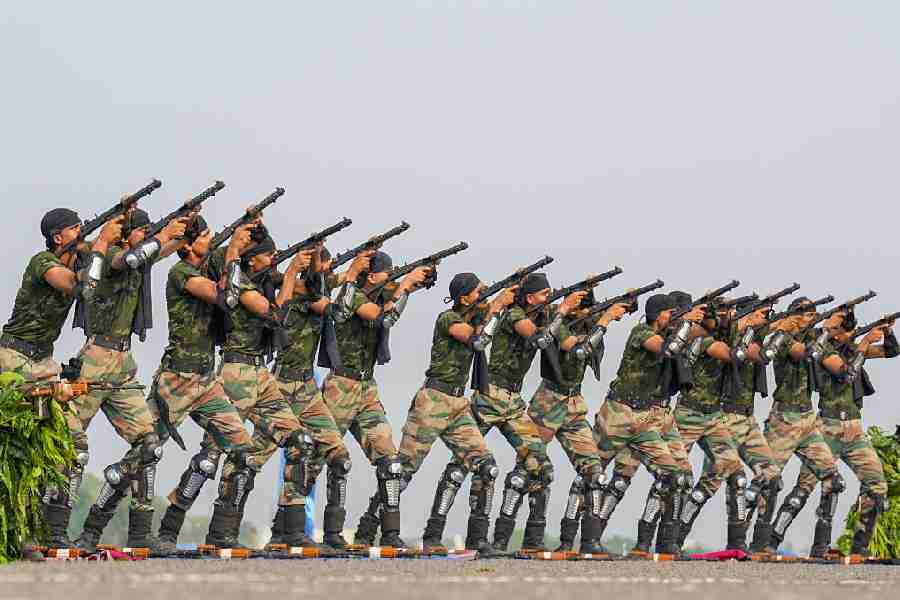
Indian security officials are checking the online accounts of some young soldiers called Agniveers.
They are worried that foreign intelligence services may have tried to trick or blackmail them online.
This tactic is called a honey trap.
Investigators want to know whether any secret information was shared.
Soldiers may look at some social media for information, but they are not supposed to interact with people there.
They may share general, non-secret information only with people they know.
The report says similar accusations have been made against other defence personnel in the past.
The account reviews are being conducted because the soldiers serve at sensitive locations.

Security agencies are examining the social media accounts of several Agniveers posted at sensitive locations.
Officials suspect some personnel may have been targeted by foreign intelligence-linked honey-trap networks, particularly those associated with Pakistan’s Inter-Services Intelligence.
The review is intended to determine whether classified information was shared during online interactions.
The Indian Army permits limited social media viewing but prohibits posting, commenting, sharing, reacting, and messaging.
Earlier cases cited include arrests of defence personnel accused of sharing sensitive information after alleged online honey-trapping.
- Who
- Security agencies and the Indian Army are reviewing accounts of several Agniveers; foreign intelligence services, particularly Pakistan’s Inter-Services Intelligence, are suspected of targeting some personnel.
- What
- Social media accounts are being scrutinized for possible honey-trap contacts and the sharing of classified information.
- Where
- The Agniveers are deployed at sensitive locations in India, and the cited 2018 BrahMos Aerospace case occurred in Nagpur.
- When
- The review is current; the Indian Army revised its social media rules last year, while earlier cited arrests occurred in 2015 and 2018.
- Why
- Authorities fear foreign intelligence agencies may use online relationships, sex chats, or blackmail to obtain sensitive information.
Key facts
- Personnel under review
- Several Agniveers deployed at sensitive locations
- Suspected foreign agency
- Pakistan’s Inter-Services Intelligence, or ISI
- Permitted social media use
- Viewing and monitoring on Instagram, YouTube, X, and Facebook
- Prohibited activity
- Posting, commenting, sharing, reacting, and sending messages
- Allowed communications
- General, unclassified information with people personnel know on platforms such as WhatsApp, Telegram, Signal, and Skype
- LinkedIn rule
- Permitted for uploading a résumé and researching potential employers
- Earlier cases
- Nishant Agarwal and Group Captain Arun Marwah were arrested in 2018 in separate alleged information-sharing cases
Quotes
A security official attached to the Union home ministry
Security official involved in reporting intelligence concerns to the Union home ministry
“Their social media accounts are being scrutinised to see whether they shared any classified information during their online interactions.”
 telegraphindia.com
“Intelligence agencies have identified several Agniveers who have been interacting with suspected honey-trap networks.”
telegraphindia.com
Sources
Related news
Probe Alleges Pakistan-Linked Espionage Targeting Agniveer Recruitment Ecosystem
Delhi Couple Arrested in Alleged Pakistan-Linked Spy Network
Delhi Police Targets Shehzad Bhatti’s Instagram Recruitment Network
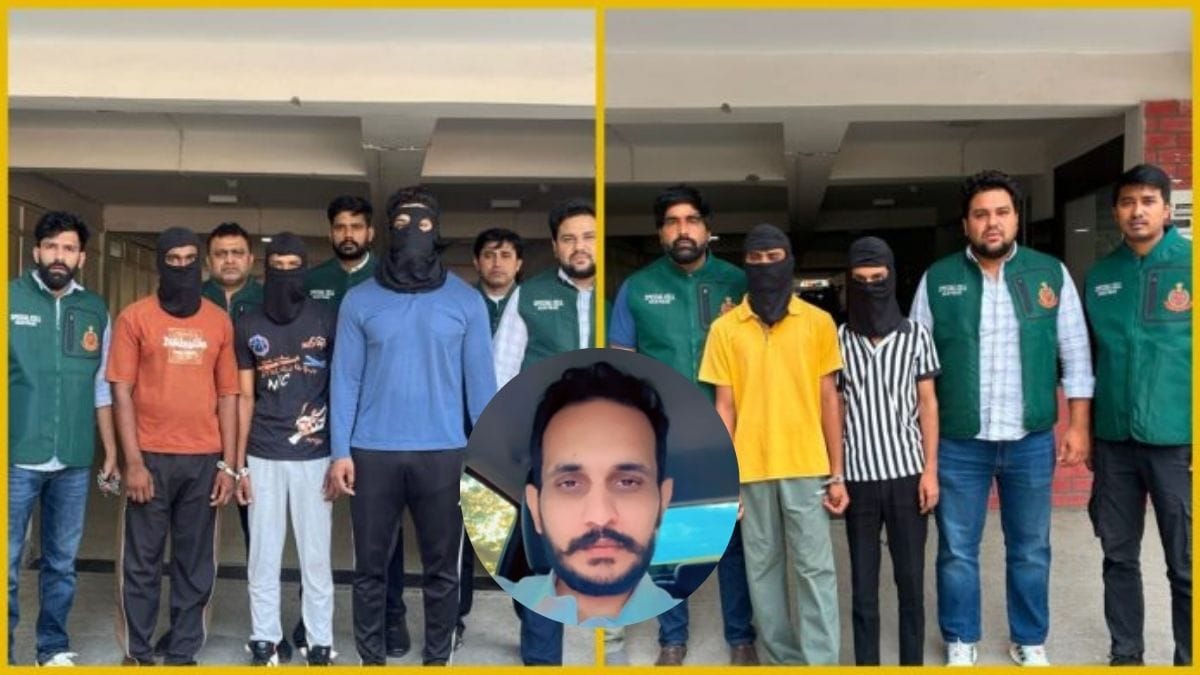
200 arrested as ISI-backed Bhatti network thwarted across 14 states
India Says Pakistan-Linked Groups Use Porn Chats, Encrypted Apps
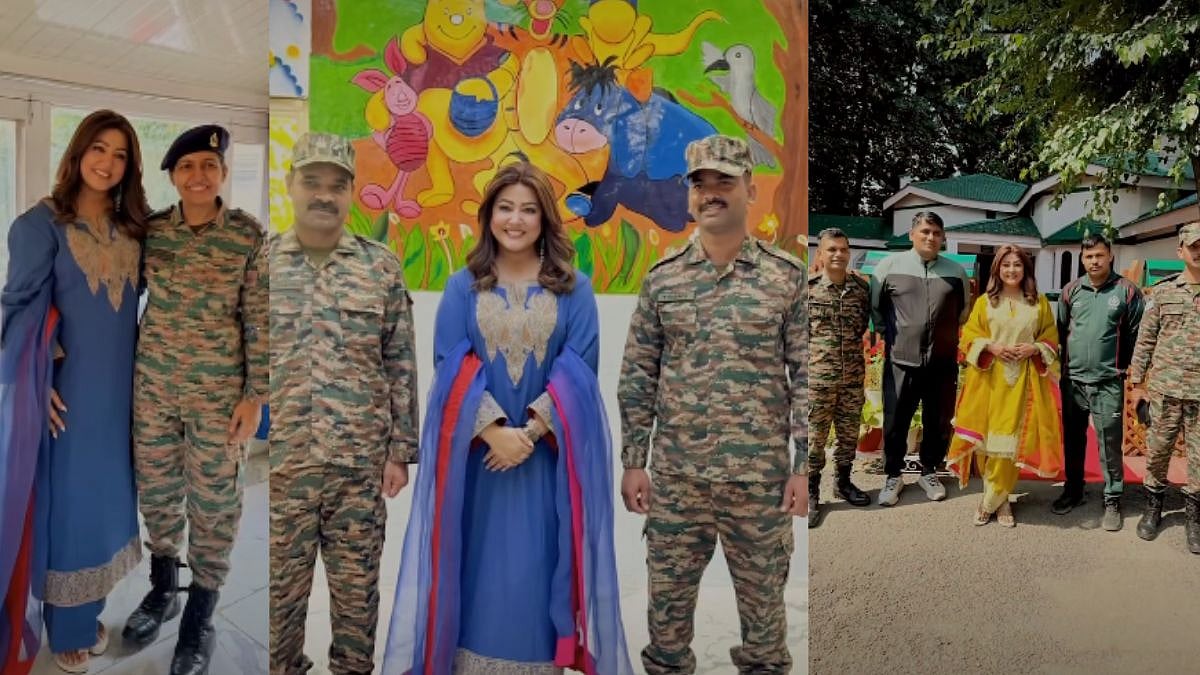
Hina Khan Visits Kashmir, Meets Operation Sindoor Soldiers
Indian Army's Western Command Marks 80 Years at Chandimandir

Drones and Training Are Reimagining India’s Modern Infantryman
Army-Adopted Topa Pir Changes After Custodial Deaths
