Archive · 10 Oct 2026
Supreme Court Dismisses Andhra Pradesh Plea on BC Quota
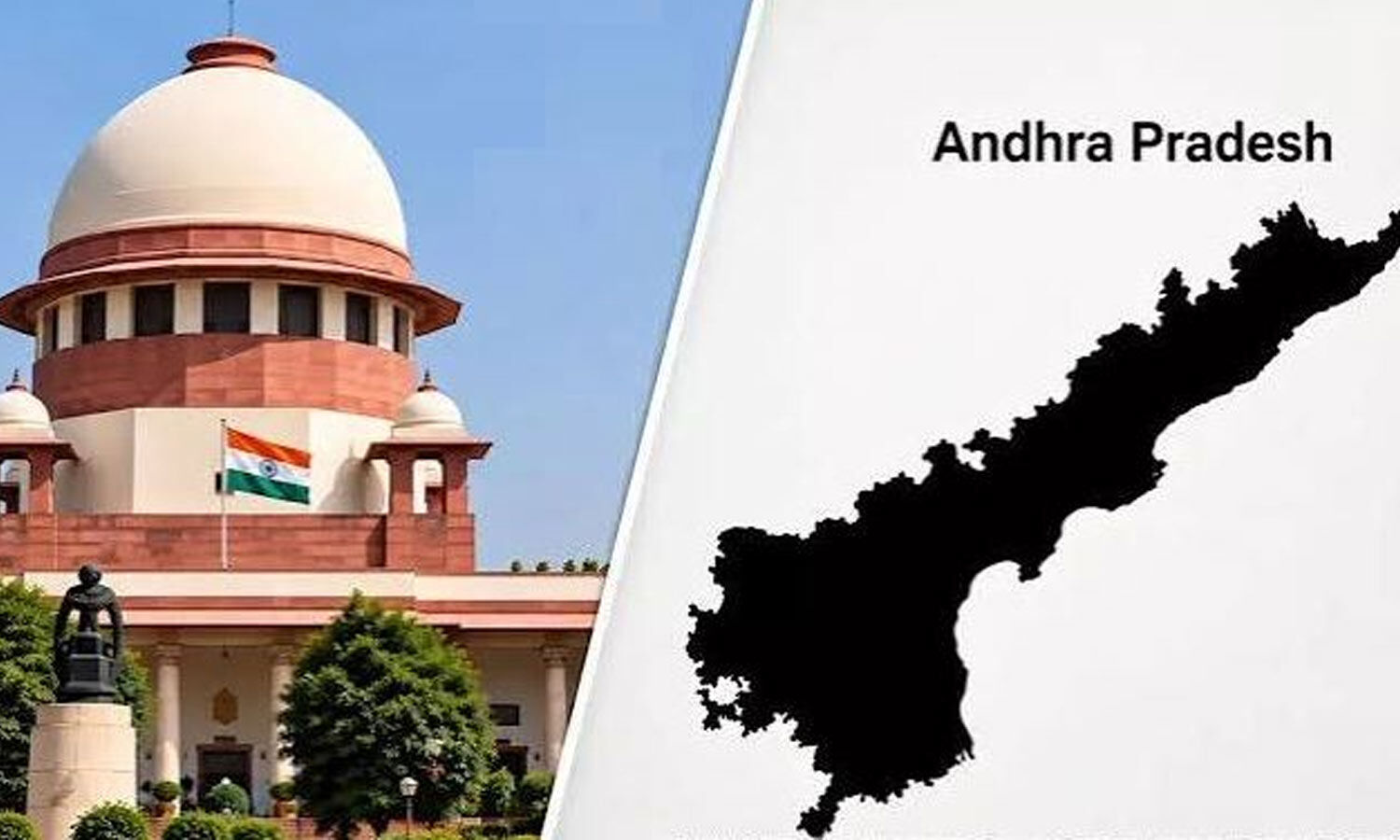
Andhra Pradesh wanted to reserve more seats in local elections for Backward Classes, or BCs.
The state issued orders for 34% BC reservation in rural local bodies and 33.33% in urban ones.
The High Court cancelled those orders because all reserved seats together went over a 50% limit.
It also said the state had not provided enough suitable evidence to support going above that limit.
The state asked the Supreme Court to reverse the High Court’s decision.
The Supreme Court dismissed the request, leaving the High Court’s ruling in place.
The judges questioned whether the state’s Unified Family Survey could legally be used to set the quota.
The High Court also ordered officials to start the local election process within six weeks.

The Supreme Court dismissed Andhra Pradesh’s Special Leave Petition challenging the High Court’s decision to strike down enhanced Backward Classes reservations in local body elections.
The High Court set aside two government orders that provided 34% BC reservation in rural local bodies and 33.33% in urban local bodies.
The High Court held that the combined reservations for Scheduled Castes, Scheduled Tribes and BCs exceeded the 50% ceiling and found the evidence insufficient to justify crossing it.
Supreme Court justices questioned the legal basis for using data from the state’s Unified Family Survey to support the higher quota.
The High Court directed the state and State Election Commission to begin the local election process within six weeks; reports cite the previous BC quota as either 20%, 24% or 27%.
- Who
- The Andhra Pradesh government and the Supreme Court; the dispute concerns Backward Classes reservations in local bodies.
- What
- The Supreme Court dismissed the state’s petition challenging the High Court ruling that struck down enhanced BC reservations.
- When
- The Supreme Court dismissed the petition on a Friday; the High Court issued its ruling on October 1, 2026.
- Where
- Andhra Pradesh, India.
- Why
- The High Court found that combined reservations exceeded the 50% ceiling and that the state had not provided the empirical evidence needed to justify exceeding it.
Andhra Pradesh government
High Court ruling upheld
Enhanced BC reservation
Andhra Pradesh government
The state sought to restore higher BC reservations, including 34% in rural local bodies and 33.33% in urban local bodies.
High Court ruling upheld
The High Court struck down the orders because combined reservations exceeded the 50% ceiling; the Supreme Court declined to overturn that decision.
Survey evidence
Andhra Pradesh government
The state’s counsel argued that the High Court had no reason to reject the state’s data as unreliable and sought to rely on the commission’s report.
High Court ruling upheld
The High Court found the evidence inadequate to support exceeding the ceiling, while the Supreme Court questioned under what law the Unified Family Survey had been conducted.
- Supreme Court outcome
- Dismissed Andhra Pradesh’s Special Leave Petition and left the High Court ruling in place.
- Rural BC reservation in challenged order
- 34%.
- Urban BC reservation in challenged order
- 33.33%.
- Government orders
- G.O. Ms. No. 105, dated August 20, 2026, and G.O. Rt. No. 1065, dated August 19, 2026.
- Reservation ceiling
- The High Court held that combined SC, ST and BC reservations exceeded 50%.
- Survey questioned
- The Supreme Court bench questioned the legal basis for using the Unified Family Survey to set BC reservations.
- Election process
- The High Court directed the state and State Election Commission to initiate the process within six weeks; one report said an election schedule was likely the following week.
- Earlier BC quota figures
- Reports describe the earlier arrangement as 20%, 24% or 27%.