

Archive · 5 Dec 2025
Pune to Penalize Housing Societies for Non-Operational STPs
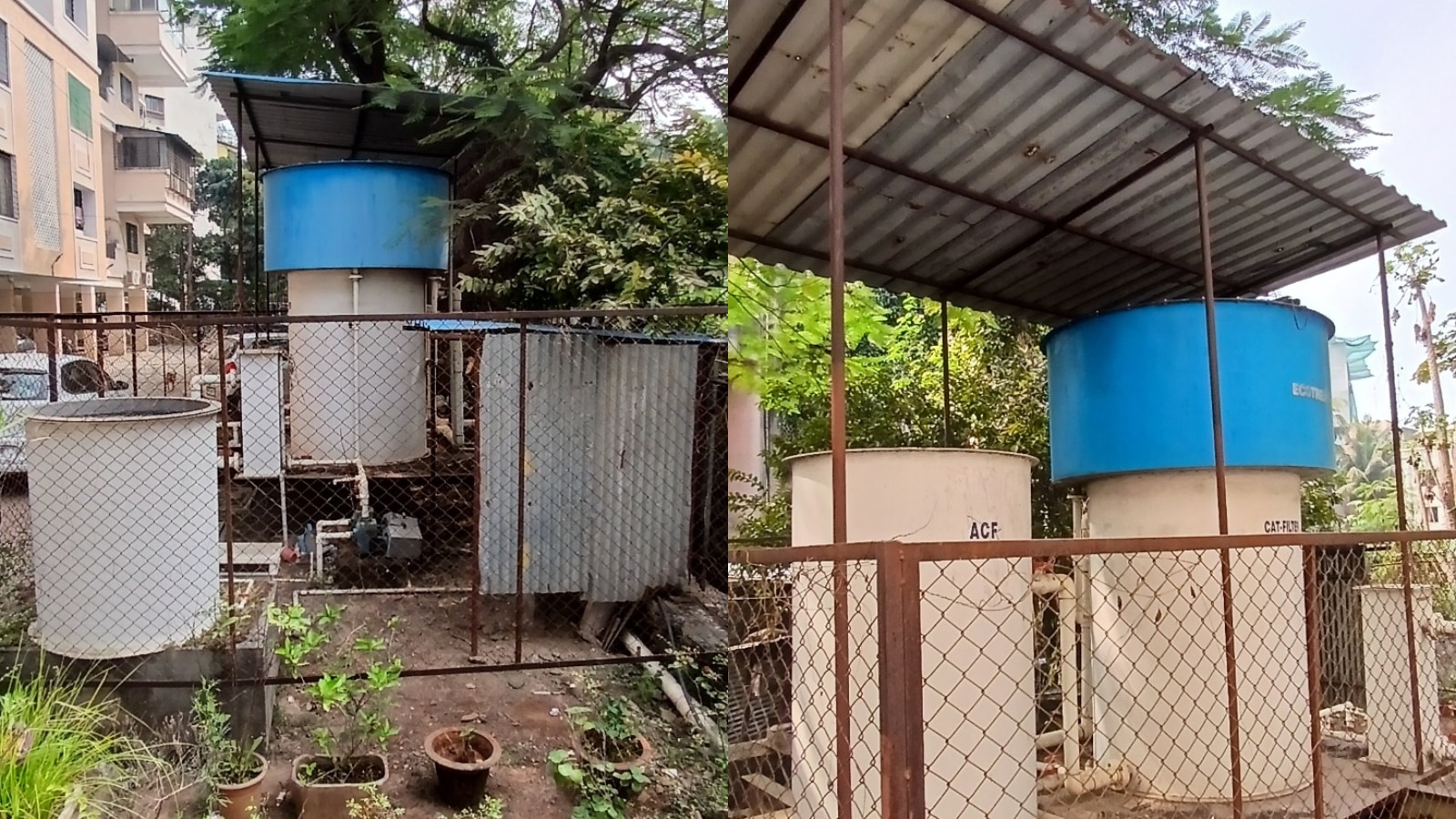
The Pune Municipal Corporation (PMC) is going to check if housing societies are using their own sewage treatment plants (STPs) correctly.
If they are not, the societies will be fined.
The PMC will also bring in expert agencies to help set up and run these STPs.
These plants are supposed to treat sewage and reuse the water within the societies.
However, many STPs are not working properly, and the sewage is being dumped into streams or drains.
The PMC wants to make sure these plants work well to save water and reduce the load on the city's main sewage system.
They will also monitor the performance of the agencies they bring in to help with the STPs.

PMC to monitor and penalize housing societies for non-operational in-house STPs.
Expert agencies to be empaneled for setting up and operating small STPs.
Residential projects with over 100 apartments must install STPs to treat and reuse sewage.
772 small-capacity STPs mandated in the past five years, treating 1,11,373 kilolitres of sewage.
Private agencies to provide operational services and maintenance for five years, with PMC monitoring performance.
- Who
- Pune Municipal Corporation (PMC) and housing societies in Pune
- What
- Penalization for non-operational in-house sewage treatment plants (STPs)
- When
- Immediate monitoring and penalties to be imposed
- Where
- Pune, India
- Why
- To ensure effective sewage treatment and water reuse, reduce burden on civic STPs, and conserve water
- Authority
- Pune Municipal Corporation (PMC)
- STP Mandate
- Residential projects with over 100 apartments
- STPs Mandated
- 772 small-capacity STPs in 5 years
- Sewage Treated
- 1,11,373 kilolitres
- Penalty Trigger
- Non-functional STPs
- Private Agencies Role
- Operational services and maintenance
- Monitoring Duration
- Five years
- Challenges
- High power consumption, noise pollution