

Archive · 4 Aug 2025
Maharashtra Farmers Cool to Crop Insurance Scheme After Changes
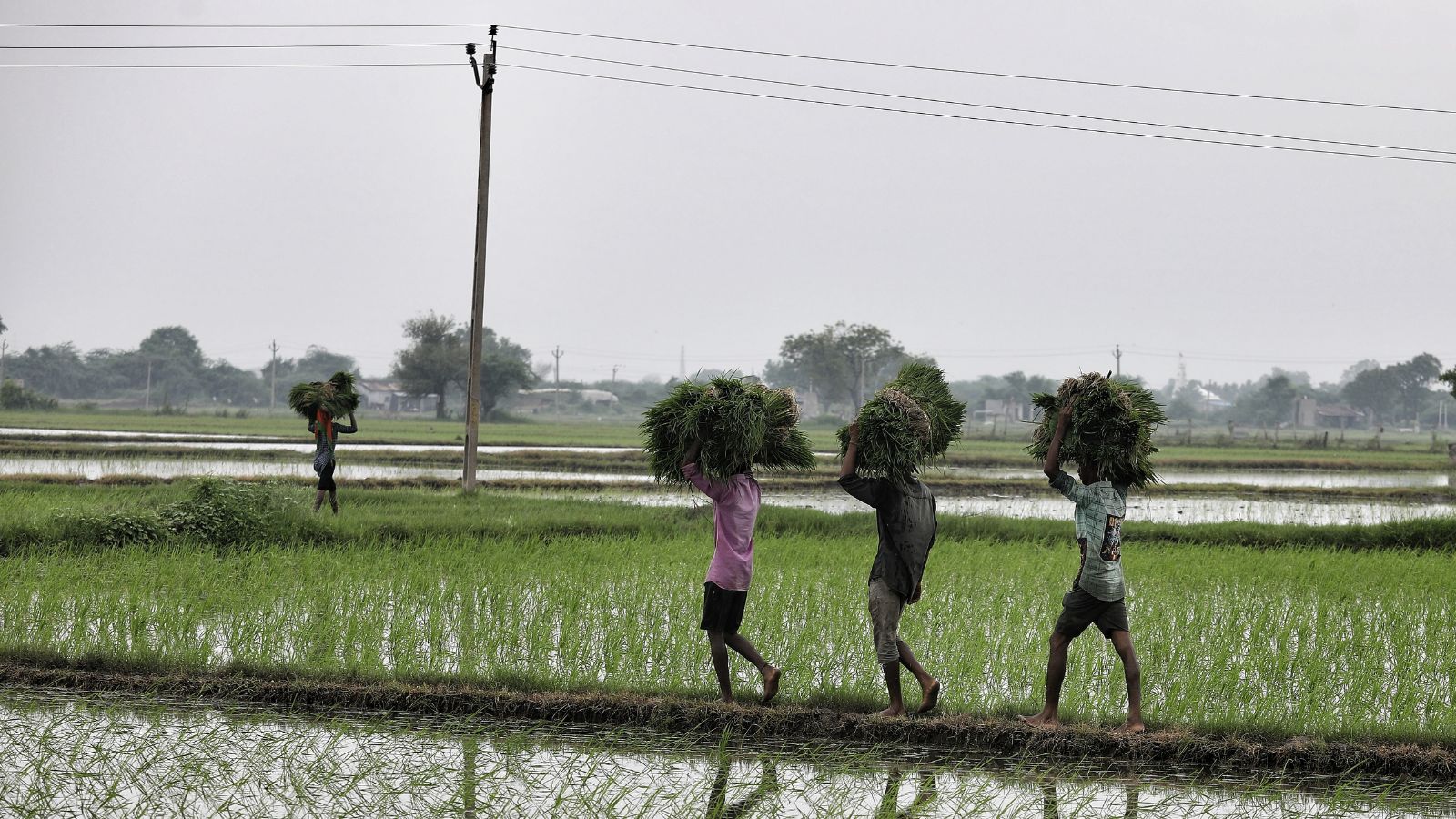
Maharashtra farmers are using crop insurance less.
The government used to pay almost all of the cost, but now the farmers have to pay more.
They don't like this, and also feel the rules for getting paid if crops are damaged are unfair.
Before, the government offered insurance at a very low cost, leading to a large number of farmers signing up.
The government changed the rules, saying there were fake claims, so farmers are not insuring their crops as much now.
This change is making farmers take on more risk.

Enrollment in the Pradhan Mantri Fasal Bima Yojana in Maharashtra has drastically decreased.
Farmers cite non-viability due to the rollback of the Rs 1 premium and stringent compensation rules.
The scheme previously offered affordable crop insurance with the state covering most of the premium.
The state government cited financial irregularities and bogus claims as reasons for rolling back the premium.
Farmer leaders and farmers believe the current regulations of the scheme are not beneficial.
- Who
- Maharashtra farmers.
- What
- Decline in enrollment for the Pradhan Mantri Fasal Bima Yojana in Maharashtra.
- When
- Enrollment has decreased in the fiscal year 2024-25.
- Where
- Maharashtra.
- Why
- Farmers feel the scheme is non-viable due to the rollback of the Rs 1 premium and stringent compensation rules.
Farmers' Perspective
Government Perspective
Compensation Rules and Assessment
Farmers' Perspective
Farmers view the compensation rules as not taking local issues into account and not being able to correctly assess crop losses. They are willing to take the risk.
Government Perspective
N/A
Scheme Utility
Farmers' Perspective
Farmers believe the Pradhan Mantri Fasal Bima Yojana has lost its utility for them.
Government Perspective
N/A
- Scheme
- Pradhan Mantri Fasal Bima Yojana
- Farmers' Share
- 2% of the premium
- Previous Premium
- Rs 1
- Reason for Rollback
- Financial irregularities and bogus claims
- Estimated Savings
- Rs 5,000 crore