

Archive · 17 Nov 2025
India Streamlines Quality Control Orders for Manufacturing Inputs
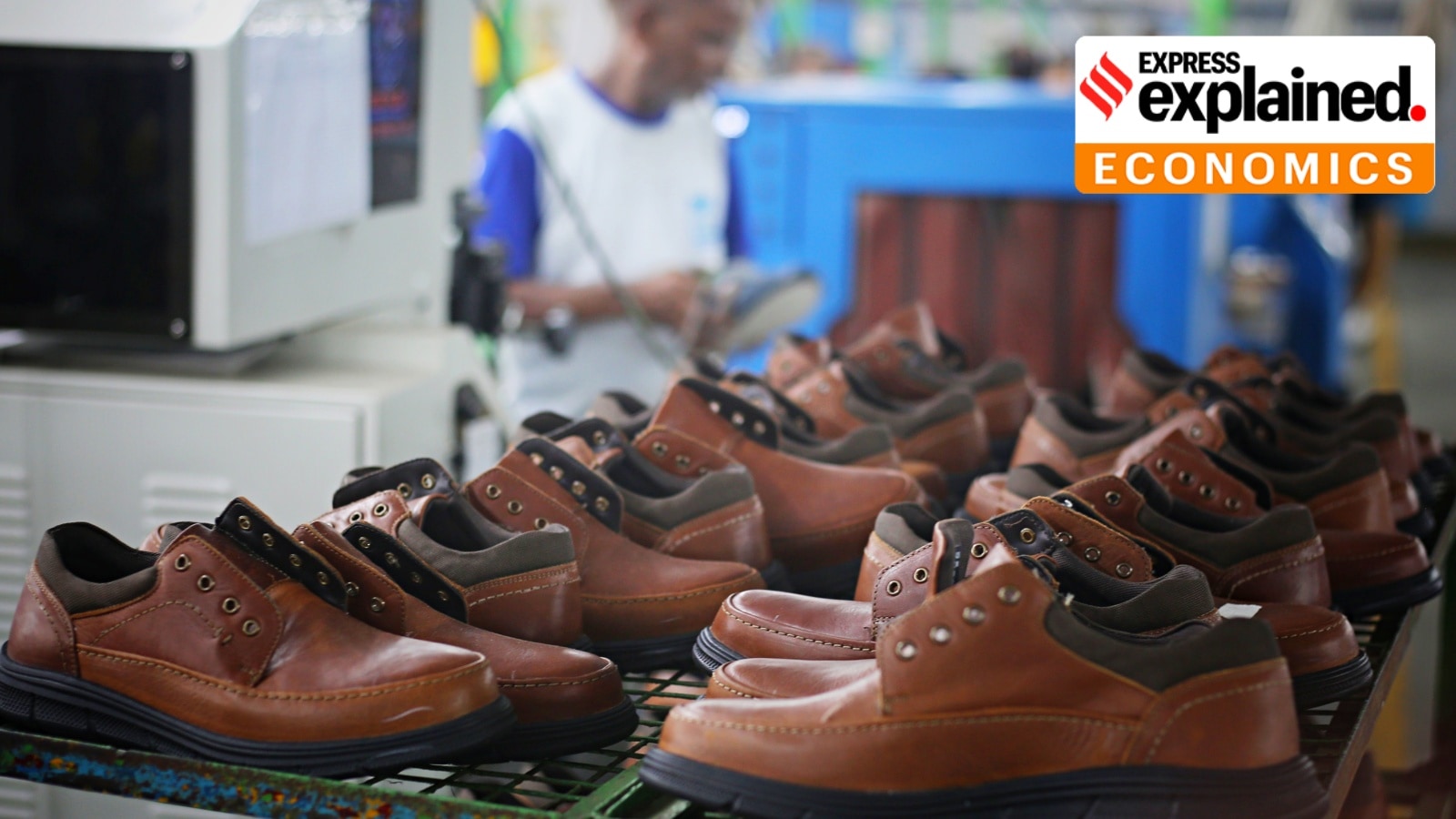
India is making it easier for businesses to get the things they need to make products by removing many rules that made imports more expensive and slower.
This will help companies compete better and make more products, which is good for the economy.
The government also wants to make sure these rules are reviewed regularly to avoid becoming unnecessary barriers.
The goal is to make India a stronger and more open place for manufacturing and trade.

India is revoking or amending Quality Control Orders (QCOs) on numerous input materials and intermediate goods across sectors like chemicals, textiles, metals, and machinery.
This move aims to ease compliance pressures, reduce input costs for businesses, especially MSMEs, and enhance overall manufacturing competitiveness.
QCOs on intermediate goods were found to increase landed costs, cause testing delays, and limit supplier options, contrary to global standards.
The government is signaled to institutionalize a permanent, data-driven QCO Review Framework with mandatory sunset clauses for future regulations.
This shift is seen as a philosophical change towards a more open, rules-based economic order, promoting economic vitality and making India more export-ready.
- Who
- Indian ministries (chemicals and fertilisers, mines, heavy industries, steel), Niti Aayog, Bureau of Indian Standards (BIS), businesses, MSMEs, and industries including textiles, chemicals, plastics, metals, machinery, and electronics.
- What
- The Indian government is overhauling its quality control regime by revoking or amending Quality Control Orders (QCOs) on numerous input materials and intermediate goods across various sectors.
- When
- In the past week, with decisive moves made by key ministries starting November 2025, and a Niti Aayog committee recommending such a push.
- Where
- India
- Why
- To reduce compliance pressures on businesses, especially MSMEs, strengthen manufacturing competitiveness, realign regulations with global norms, and promote economic vitality and export readiness.
Proponents of QCOs
Critics of QCOs
Impact on MSMEs
Proponents of QCOs
QCOs were intended to ensure standards which large industries welcomed.
Critics of QCOs
QCOs on input materials increase landed costs, create testing delays, and force MSMEs to rely on a narrow set of certified foreign suppliers, hindering competitiveness and operational flexibility.
Market Regulation and Competition
Proponents of QCOs
QCOs were implemented to ensure product standards and for strategic trade and market access concerns.
Critics of QCOs
QCOs, particularly on intermediate goods, distort markets by artificially limiting suppliers, hindering the natural self-regulation of markets where efficient players rise on merit.
Purpose of QCOs
Proponents of QCOs
QCOs are for ensuring product standards, a role that the Bureau of Indian Standards (BIS) should focus on for safety-critical final products.
Critics of QCOs
Many QCOs introduced recently target intermediate goods, which differs from global norms and complicates production for businesses, especially MSMEs.
- Products with abolished QCOs (examples)
- Terephthalic acid, ethylene glycol, polyester spun yarn, polyester yarn, EVA copolymers, polycarbonates, aluminum and aluminum alloys, nickel, tin ingots, refined zinc, copper, primary lead.
- QCOs on steel products suspended
- 55 steel products, mostly inputs.
- Impact on input costs
- Dropping input-level QCOs can cut input costs by 8-12%.
- Disruption example (Copper Products QCO)
- Disrupted supply from Japan, leading to a drop in copper imports and a spike in imports of downstream products like wires, tubes, pipes, and sheets.
- Percentage of QCOs on input materials
- Nearly half of all QCOs introduced over the past eight years target intermediate goods. For the ministry of steel, nearly 68% of its 310 QCOs apply to input materials.
- QCOs on machinery and electricals
- 161 QCOs in place, with 44% covering core industrial intermediaries.
- Electronics exports growth
- Over 47% growth in the first quarter of 2025-26.
