

Archive · 18 Dec 2025
Bone Marrow Transplants Transform Rare Blood Disease Treatment
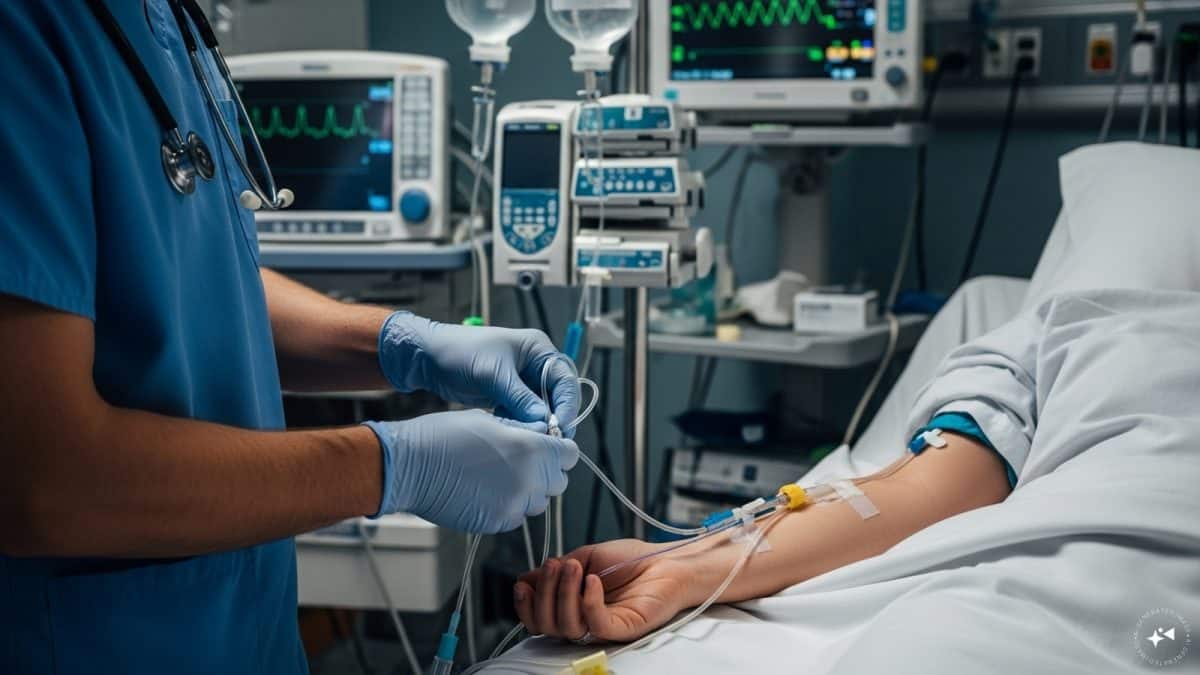
Bone marrow transplants are now seen as a potential cure for rare blood diseases like thalassaemia and sickle cell disease.
These diseases make it hard for the body to produce healthy blood cells.
In the past, treatments only provided temporary relief.
But now, bone marrow transplants can replace the diseased marrow with healthy stem cells, offering a long-term cure.
Doctors say early diagnosis and quick referral to transplant centres are very important.
Advances in technology have made these transplants safer and more accessible, even for patients without fully matched donors.
This means more people can get the treatment they need and live healthier lives.

Bone marrow transplantation (BMT) is now considered a curative option for rare blood disorders like thalassaemia and sickle cell disease.
Advances in transplant technology have improved safety and outcomes, making BMT more accessible.
BMT targets the root cause of blood disorders by replacing diseased marrow with healthy stem cells.
Early diagnosis and timely referral to transplant centres are critical for successful treatment.
Despite its benefits, BMT remains a complex and resource-intensive procedure requiring specialised care.
- Who
- Patients with rare and life-threatening blood disorders, particularly children and young adults
- What
- Bone marrow transplantation (BMT) is emerging as a curative option for rare blood disorders
- When
- Over the past decade, advancements in transplant science have improved outcomes
- Where
- Globally, with a significant impact in low- and middle-income countries
- Why
- To address the root cause of blood disorders by replacing diseased marrow with healthy stem cells
- Conditions Treated
- Thalassaemia, sickle cell disease, primary immunodeficiencies, aplastic anaemia, rare bone marrow failure syndromes
- Transplant Types
- Hematopoietic stem cell transplantation, haploidentical (half-matched) transplants
- Key Advancements
- Better donor-matching, reduced-intensity conditioning, improved infection control, targeted therapies for GVHD
- Impact of BMT
- Restores normal blood formation, eliminates defective genes, rebuilds immune system
- Challenges
- Complex procedure, requires specialised expertise, extensive pre- and post-transplant care
- Critical Factor
- Early diagnosis and timely referral to transplant centres
- Global Burden
- Major contributors to childhood morbidity and premature mortality, particularly in low- and middle-income countries