

Archive · 5 Dec 2025
Lebanon-Iran Rift Highlights Proxy Risks
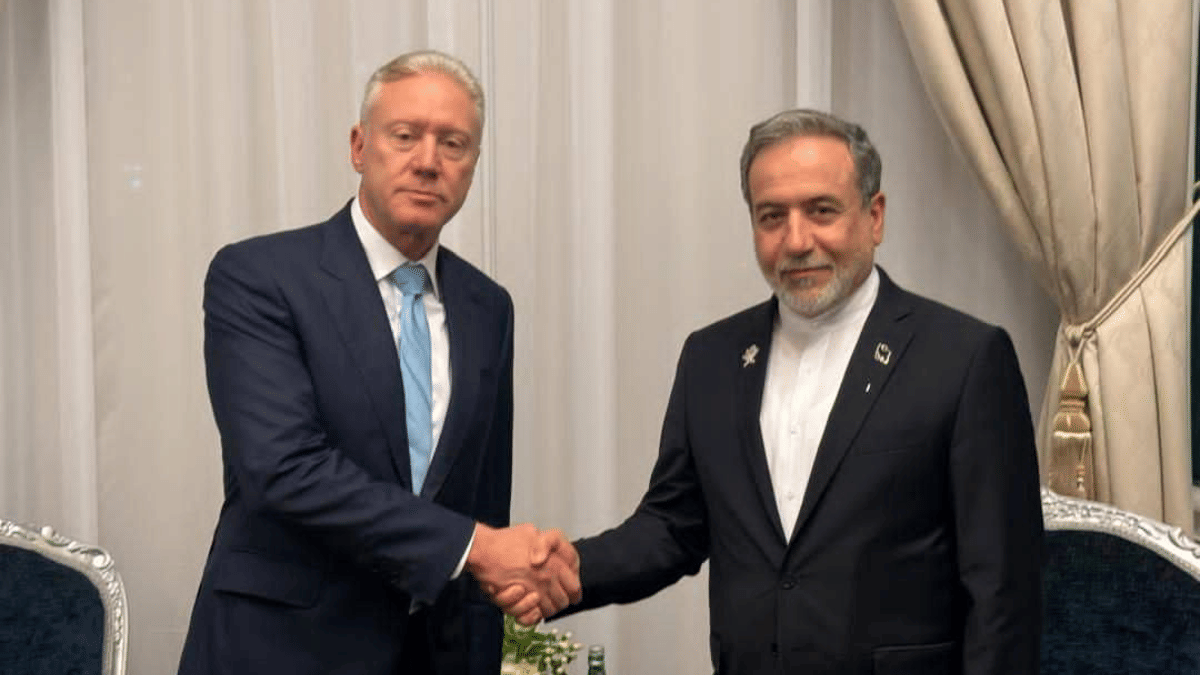
Lebanon and Iran are having a big disagreement.
Lebanon is upset because Iran has been using a group called Hezbollah to have more control in Lebanon.
This is making Lebanon's problems worse, like making it harder to get help from other countries.
The article says this is a lesson for other countries, especially those in the Global South, to be careful about letting other powerful countries have too much influence.
India is trying to learn from this by being friends with many different countries and not letting any one country have too much control.
The main idea is that countries should try to make their own decisions and not let others control them.

Lebanon is pushing back against Iran's influence through Hezbollah, leading to a rift between the two countries.
Iran's regional posture is seen as destabilizing Lebanon rather than helping it.
Lebanon's crisis shows the costs of relying on foreign security patrons and outsourcing sovereignty.
The Global South should learn from Lebanon's experience to avoid proxy entanglements and maintain strategic autonomy.
India is taking a balanced approach in its Middle East diplomacy to prevent becoming a proxy target.
- Who
- Lebanon and Iran
- What
- A rift due to Iran's proxy influence in Lebanon
- When
- Ongoing, with recent escalation
- Where
- Lebanon, with implications for the Global South
- Why
- Lebanon's pushback against Iran's influence through Hezbollah and the costs of proxy politics
- Countries Involved
- Lebanon, Iran
- Key Issue
- Proxy influence and sovereignty
- Global South Lesson
- Avoid proxy entanglements to maintain strategic autonomy
- India's Approach
- Balanced diplomacy in the Middle East
- Proxy Politics Consequence
- Weakened institutions, compromised sovereignty, diminished bargaining power