Archive · 5 Oct 2026
Supreme Court Urges Delhi Police to Prevent Crimes Against Women
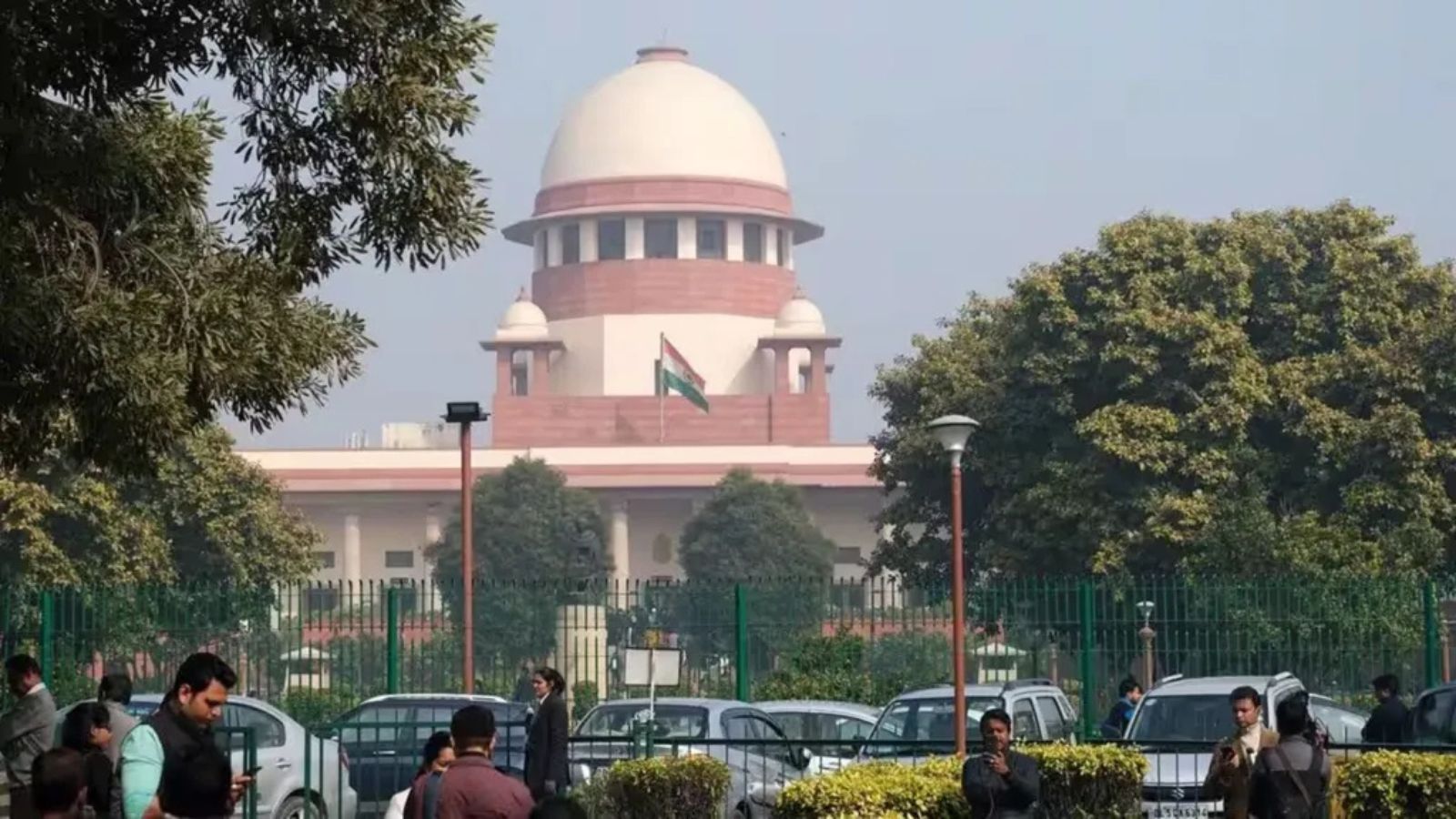
The Supreme Court talked with Delhi Police about keeping women and girls safe.
The judges said police should try to stop crimes before they happen, not just arrest someone afterward.
They said women should be able to travel safely in Delhi-NCR, even at 11 pm.
The court suggested a monitoring cell that would watch cameras around the clock in important areas.
It also asked about cameras, lights and security at places where people may be at risk.
The case involves reports of attacks against girls and women.
These reports included incidents in Delhi and an assault on a bus travelling from Greater Noida to Delhi.
The court asked police to act on its earlier directions and scheduled another hearing for November 16.

The Supreme Court urged Delhi Police to focus on preventing crimes against women rather than only arresting suspects afterward.
Justices J B Pardiwala and K Vinod Chandran said women should feel safe travelling in Delhi-NCR, including at 11 pm.
The court asked police to establish a 24-hour monitoring cell to watch vulnerable areas and act on suspicious activity.
It sought information about CCTV cameras, lighting and security personnel in vulnerable locations, including Astha Kunj.
The hearing concerned reported sexual violence against girls and women, including incidents in Delhi and on a bus travelling from Greater Noida to Delhi.
- Who
- The Supreme Court bench of Justices J B Pardiwala and K Vinod Chandran, addressing Delhi Police.
- What
- The court urged police to prevent crimes against women and suggested 24-hour monitoring of vulnerable areas.
- When
- The remarks were made on a Monday; the court scheduled the next hearing for November 16 and referred to its September 28 directions.
- Where
- Delhi-NCR, including vulnerable locations in Delhi and the route from Greater Noida to Delhi.
- Why
- The court was hearing a suo motu case about reported rape and sexual assault incidents involving girls and women.
Court's priorities
Police response
Prevention versus action after an offence
Court's priorities
The court said preventing crimes against women is more important than acting only after an offence has occurred.
Police response
The court acknowledged that police can promptly apprehend and arrest suspects, but said this response alone does not solve the problem.
Surveillance and public safety
Court's priorities
The court urged continuous monitoring in vulnerable areas and proposed a 24-hour cell to respond to suspicious activity.
Police response
The articles do not report a substantive police response to the proposal; the court asked Delhi Police to implement its earlier directions.
- Court
- Supreme Court of India
- Bench
- Justices J B Pardiwala and K Vinod Chandran
- Police measure suggested
- A 24-hour monitoring cell for continued surveillance of vulnerable areas
- CCTV inquiry
- The court sought information on camera functionality, lighting and security at vulnerable locations, including Astha Kunj.
- Earlier court action
- The court took suo motu cognisance and issued interim directions on September 28.
- Incidents cited
- Reports included alleged gang-rape of a 17-year-old at Aastha Kunj Park, gang-rape and murder of a teenage girl in Swaroop Nagar, and sexual assault of a minor on a sleeper bus.
- Bus journey
- The bus carrying the minor travelled over 47 km from Greater Noida to Delhi.
- Next hearing
- November 16