Archive · 9 Oct 2026
Pakistan Jets Reportedly Strike Houthis as Islamabad Denies Reports
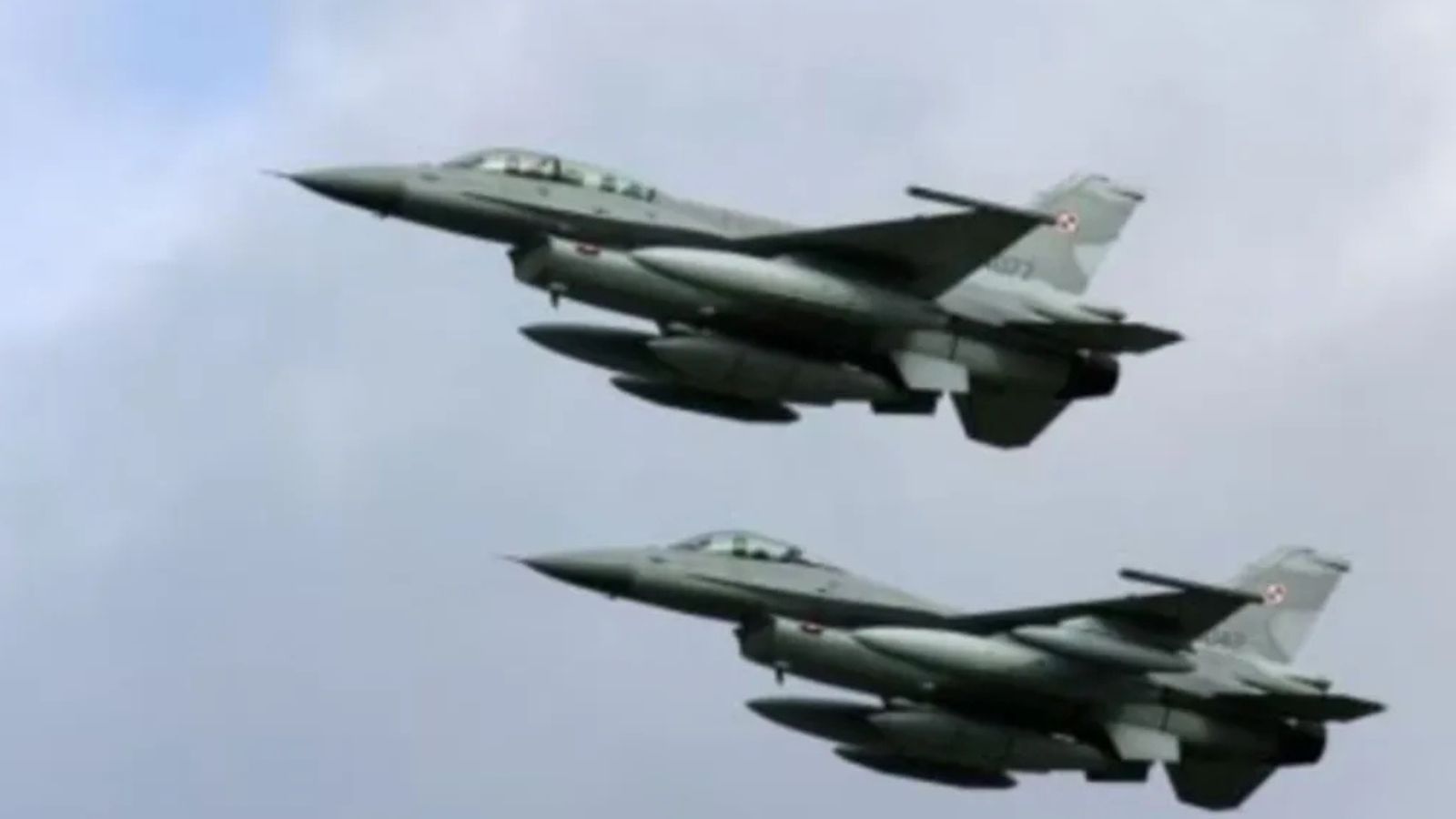
The New York Times reported that Pakistani fighter jets were being used to attack the Houthis in Yemen.
The report quoted a Pakistani military official who was not named.
Pakistan’s Information Ministry says the report is false, so the jets’ role has not been confirmed.
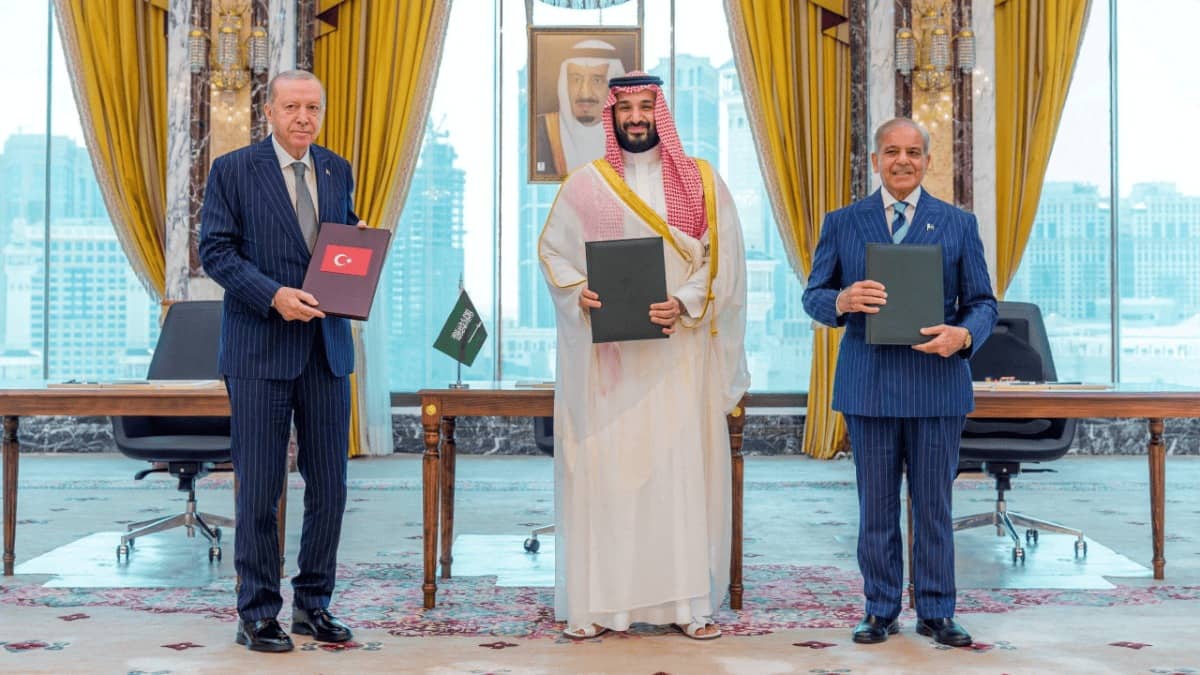
Pakistan, Saudi Arabia and Turkey recently activated a defence pact.
Pakistan says its forces are in Saudi Arabia to help defend the kingdom.
A former US analyst said many analysts estimate about 8,000 Pakistani troops are there, but he did not have classified figures.
Saudi authorities said Houthi attacks on two airports killed three people and injured dozens.
Turkey has said its agreement is defensive and does not permit it to send troops to carry out attacks in another country.

The New York Times reported that an unnamed senior Pakistani military official said Pakistan Air Force jets were being used in strikes against the Houthis in Yemen.
Pakistan’s Information Ministry denied the report, calling the claim fake and fabricated; the reported strikes remain unconfirmed.
The report followed the activation of a defence pact among Pakistan, Saudi Arabia and Turkey, referred to as the Makkah or Mecca pact.
Saudi authorities said Houthi missile and drone attacks on Riyadh’s King Khalid International Airport and Abha International Airport killed three people and injured dozens.
A former US defence analyst said analysts estimated about 8,000 Pakistani troops were deployed in Saudi Arabia, but Pakistan has not confirmed that number.
- Who
- Pakistan Air Force jets, according to an unnamed Pakistani military official cited by The New York Times; Pakistan’s Information Ministry denies the claim.
- What
- The jets were reportedly used in strikes against the Houthis, but the report is disputed.
- When
- The official reportedly spoke on Wednesday; The New York Times published its report on Thursday. The articles do not specify when the alleged strikes took place.
- Where
- The alleged strikes were in Yemen; Pakistani forces are reported to be deployed in Saudi Arabia.
- Why
- A second Pakistani official reportedly said Pakistan’s role was expected to focus on countering Houthi missile and drone threats; Pakistan describes its commitment as defensive.
Reported Pakistani air role
Official denial and defensive framing
Whether Pakistani jets struck the Houthis
Reported Pakistani air role
An unnamed senior Pakistani military official told The New York Times that Pakistan Air Force fighter jets were being used in strikes against the Houthis.
Official denial and defensive framing
Pakistan’s Information Ministry rejected the claim as fake and fabricated; the reported use of jets is therefore disputed.
Nature of the pact and Pakistan's role
Reported Pakistani air role
The report describes the activation of the pact amid escalating Houthi attacks and says Pakistan’s air support could counter missile and drone threats.
Official denial and defensive framing
Pakistan has described its commitment as defensive. Turkey has also said the pact does not authorize offensive operations in another country.
- Reported source
- An unnamed senior Pakistani military official quoted by The New York Times.
- Pakistan's response
- The Information Ministry called the claim that PAF aircraft were being used against the Houthis “fake and fabricated”.
- Defence pact
- Pakistan, Saudi Arabia and Turkey activated the trilateral pact, called the Makkah Accord or Mecca defence pact in the articles.
- Pact terms
- The pact states that an armed attack against one signatory is treated as an attack against all three; Pakistan described it as defensive.
- Troop estimate
- A former US Army attaché and Defense Intelligence Agency analyst said the consensus among analysts was about 8,000 Pakistani troops in Saudi Arabia; he said he lacked classified figures.
- Saudi airport attacks
- Saudi authorities said Houthi missile and drone attacks targeted King Khalid International Airport and Abha International Airport, killing three people and injuring dozens.
- Turkey's position
- Turkish Foreign Minister Hakan Fidan said the agreement was defensive and did not authorize Turkey to send troops to another country to carry out attacks.