

Archive · 30 Aug 2026
Why former ICSSR chairman seeks a 25-year delimitation freeze
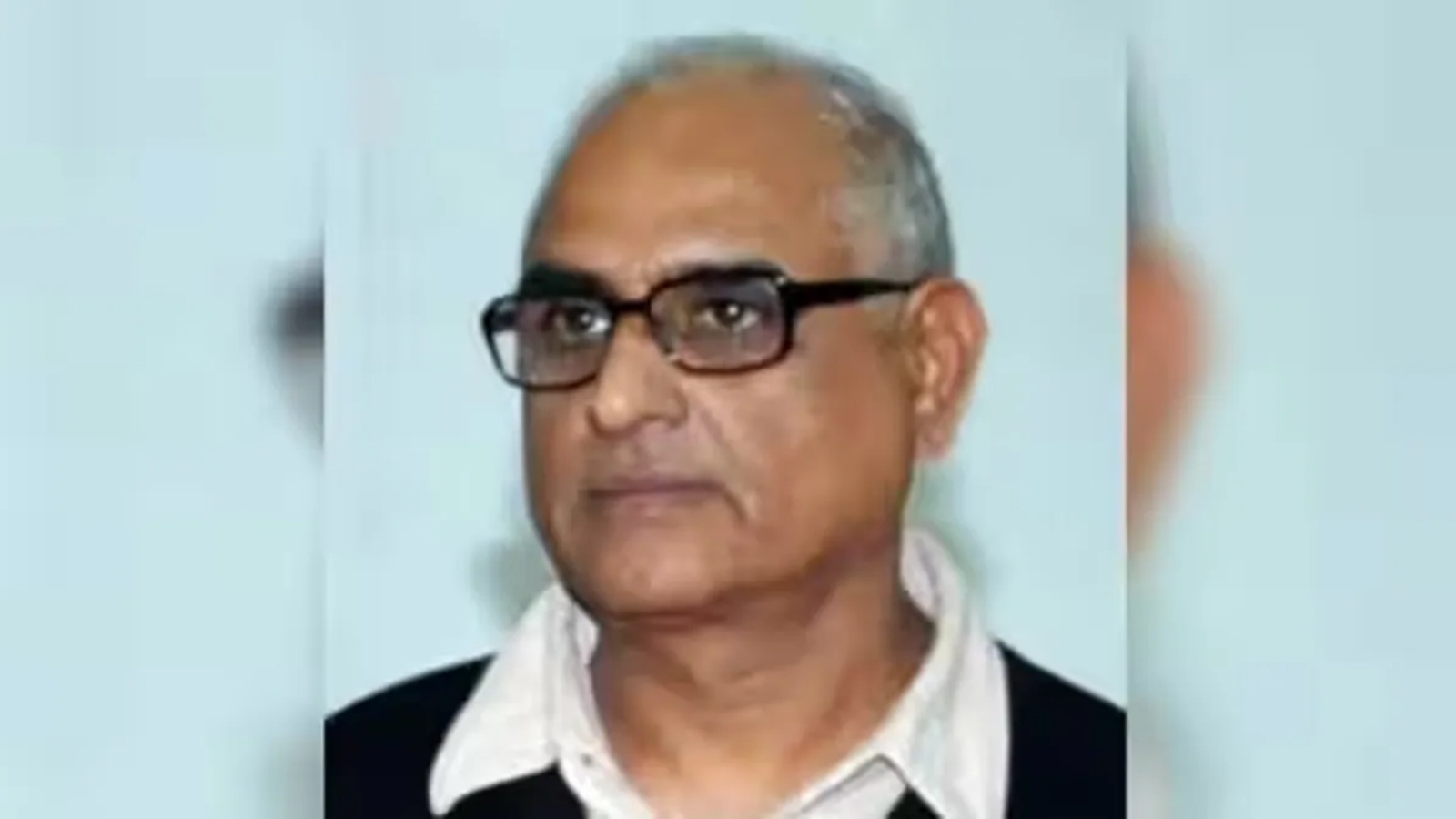
India decides how many lawmakers each state sends to Parliament through a process called delimitation.
The number of seats given to each state has been mostly frozen since 1976.
J K Bajaj says this freeze should continue for at least 25 more years.
He believes states are growing at different speeds and have not yet reached stable populations.
If seats were redistributed now, states with faster population growth could gain more seats.
He says this could reduce the relative voice of southern states and other states with slower growth.
Bajaj believes the country should protect its federal balance while waiting for populations to stabilise.
He says people can still have equal voting value within each state.
He also says health, education, nutrition, hygiene and stability affect population growth, not just family planning.

J K Bajaj supports extending the freeze on inter-state seat allocation for at least 25 years.
He says delimitation should wait until population growth stabilises across states in another three or four decades.
Bajaj argues that preserving the federal balance currently outweighs applying population-based representation between states.
He says seats within each state can still be delimited using current population figures.
He warns that southern states could lose relative influence in Parliament after fresh delimitation.
- Who
- J K Bajaj, former chairman of the Indian Council of Social Science Research and a member of the Justice G Rohini Commission.
- What
- He has called for the inter-state delimitation freeze to continue for at least another 25 years.
- When
- The freeze was enacted in 1976 and extended again in 2001; Bajaj says delimitation should wait another three or four decades until populations stabilise.
- Where
- The proposal concerns the allocation of parliamentary seats among Indian states.
- Why
- Bajaj says states are at different stages of demographic transition and that preserving the federal balance is currently more important than reallocating seats strictly by population.
Federal balance
Population-based representation
When to conduct delimitation
Federal balance
Bajaj says delimitation should be delayed until states complete their demographic transitions and populations stabilise.
Population-based representation
The one-person, one-vote, one-value principle supports adjusting representation to reflect differences in state populations.
Effect on state influence
Federal balance
Maintaining current state shares would prevent southern states and other slower-growing states from losing relative influence in national affairs.
Population-based representation
Using newer census figures could increase representation for states whose populations have grown more rapidly.
Equality and seat allocation
Federal balance
Bajaj argues that equal voting value can continue within each state while the federal allocation between states remains frozen.
Population-based representation
Critics of a continued freeze could argue that preserving state shares departs from population-based equality between states.
- Proposed extension
- At least another 25 years
- Expected population stabilisation
- Another three or four decades, according to Bajaj
- Existing freeze
- Parliament froze inter-state seat allocation in 1976 and again in 2001
- Constitutional principle
- One person, one vote, one value
- Main concern
- Southern states and others could lose relative influence after fresh delimitation
- Suggested compromise
- Keep the current inter-state seat shares while delimiting seats within states using current populations