Archive · 8 Aug 2025
New Space Race: Nuclear Power Key to Lunar Ambitions
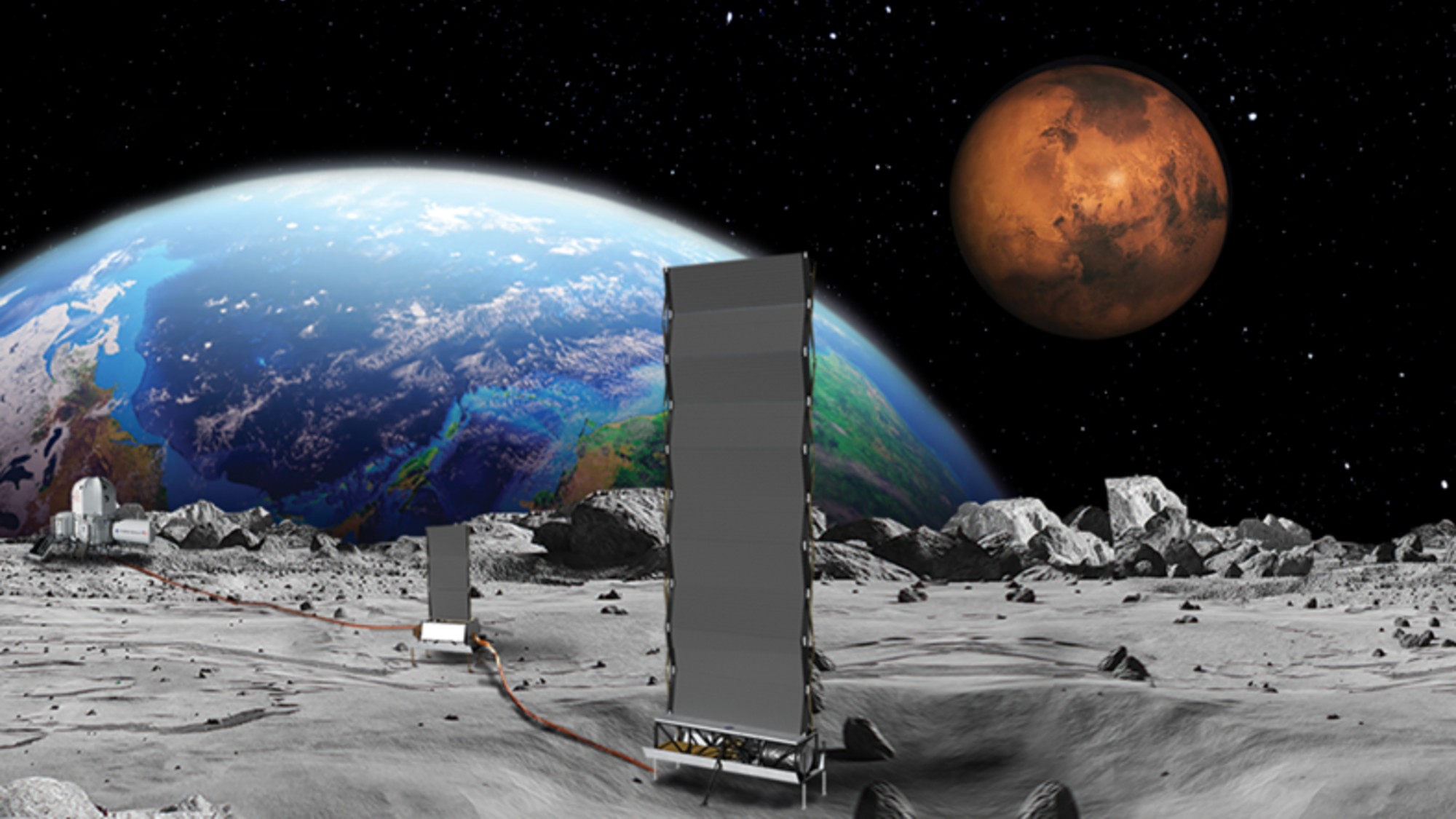
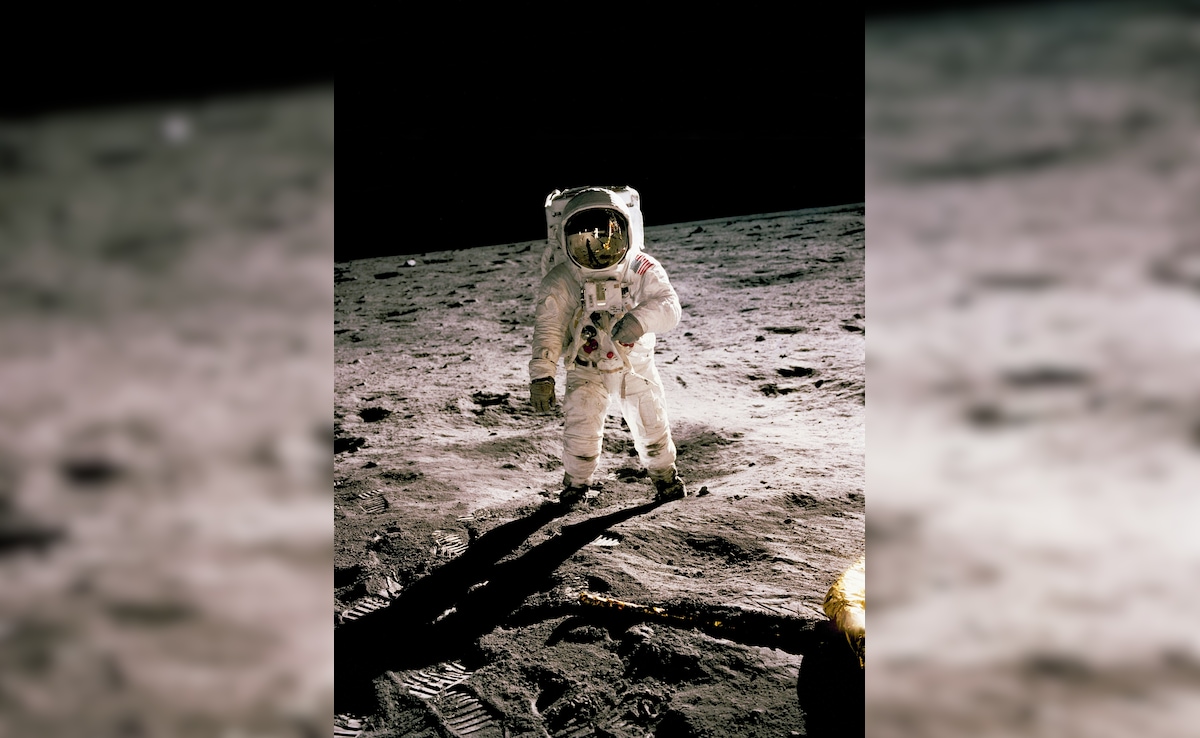
The US and China are competing to build a nuclear power plant on the Moon, with the US targeting 2030.
This is a key part of the new space race, as it provides continuous power for bases and research.
Because the Moon has long periods of darkness, solar power isn't reliable.
While the Outer Space Treaty prevents countries from claiming the Moon, building infrastructure like a reactor establishes a presence and influence, particularly near valuable resources.
The goal is to enable long-term human presence and exploration, even to Mars, but there are environmental concerns.
Openness and international cooperation are crucial for responsible development.

The new space race focuses on building infrastructure on the Moon.
NASA aims to have a nuclear reactor operational on the Moon by 2030.
China plans to build a lunar nuclear power plant by 2035.
The Outer Space Treaty prohibits territorial claims but allows for installations.
Nuclear power is essential for continuous energy on the Moon due to its limitations in solar power.
- Who
- NASA and China
- What
- The US is planning to build a nuclear reactor on the moon.
- When
- The US aims to have a nuclear reactor operational on the Moon by 2030.
- Where
- The Moon
- Why
- To provide a reliable energy source for lunar bases and exploration.
Concerns
Exploration Advocates
Risks vs Exploration
Concerns
Potential for radiation risks.
Exploration Advocates
Nuclear energy is essential for space exploration
- Project Goal
- Establish a nuclear reactor on the Moon
- Target Date
- 2030
- Key Players
- NASA and China
- Relevant Treaty
- Outer Space Treaty
- Power Source Rationale
- Continuous power