

Archive · 29 Jan 2026
Euro Surges Past $1.20: Winners and Losers
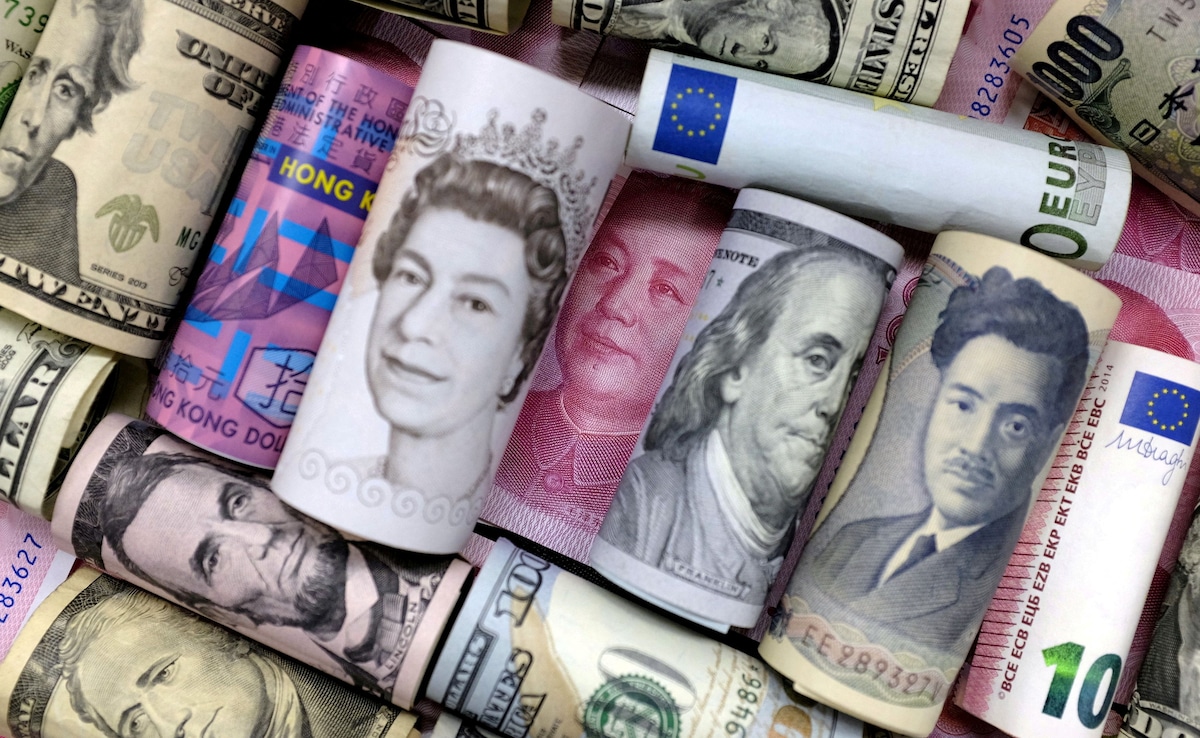
The euro, the money used by many European countries, has become stronger than the US dollar, reaching over $1.20.
This is the first time in more than four years that this has happened.
The main reason is that the US president, Donald Trump, has been putting tariffs (extra taxes) on goods, which has made the dollar weaker.
A stronger euro is good for people in Europe because it makes things they buy from other countries, like oil, cheaper.
It also helps companies that need to import things.
However, it's bad for companies that sell things outside of Europe, like car makers and luxury brands, because their products become more expensive for people in other countries to buy.
The European Central Bank might also lower interest rates, making it cheaper for people and businesses to borrow money.
Some experts think this could make European countries' debts more attractive to investors, but there are concerns about political instability in Europe that might hold it back.

The euro has surpassed $1.20 for the first time in over four years, driven by Trump's tariff policies and a weaker dollar.
A stronger euro increases the purchasing power of European households and benefits import-reliant companies.
Exporters, particularly in autos, machinery, and luxury brands, face challenges due to the stronger euro.
The European Central Bank may consider further rate cuts, potentially making credit cheaper for households and businesses.
The rise of the euro is attributed to Trump's unpredictable policies and relative stability in Europe.
- Who
- European households, exporters, and the European Central Bank
- What
- The euro has surged past $1.20, affecting various economic sectors
- When
- The euro crossed $1.20 for the first time in over four years, with significant gains since Trump's inauguration
- Where
- The impact is felt across the eurozone and the United States
- Why
- The rise is driven by Trump's tariff policies, a weaker dollar, and relative stability in Europe
- Euro Value
- Surpassed $1.20 for the first time in over four years
- US President's Stance
- Expressed indifference to the dollar's decline
- Euro's Launch
- Introduced in 1999 at $1.17
- Record High
- Peaked above $1.60 during the 2008 subprime crisis
- Last $1.20 Crossing
- 2021, during pandemic-era public spending
- Impact on Households
- Increased purchasing power and cheaper imports
- Impact on Exporters
- Weighed down, particularly in autos, machinery, and luxury brands
- US Tariffs
- 15% tariff on EU exports to the US, introduced in July
