Archive · 8 Nov 2025
US Revives Stricter Visa Rules Based on Health and Finances
The United States has new rules for people wanting to get a visa.
These rules are based on an old idea called the 'public charge' provision.
It means if you might need a lot of help from the government because you are sick or don't have enough money, you might not get a visa.
The new rules are stricter than before and look at more things.
They will check your health for conditions like diabetes or being overweight, your age, how well you speak English, and your finances.
The government wants to make sure people coming to the US can support themselves.
Some people worry these new rules give officers too much power to say 'no' based on health or future costs, and that it might not be fair.

US embassies and consulates worldwide are enforcing stricter visa rules under the 'public charge' provision.
The directive revives and expands stricter standards from the Trump administration, previously eased under President Biden.
Visa applications can be denied based on health conditions like diabetes and obesity, financial status, age, and English proficiency.
Consular officers are instructed to assess the likelihood of an applicant relying on government assistance or requiring long-term medical care.
The policy broadens 'health screening' beyond communicable diseases to include non-communicable chronic conditions and anticipated future healthcare costs.
- Who
- US State Department, Consular Officers, Visa Applicants
- What
- Reinstatement and expansion of stricter visa rules under the 'public charge' provision, allowing denials based on health, finances, and potential reliance on government assistance.
- When
- November 8, 2025
- Where
- US Embassies and Consulates worldwide
- Why
- To ensure self-sufficiency among immigrants and prevent reliance on public benefits, reviving stricter interpretations of the 'public charge' rule.
Trump Administration Rationale
Criticism of New Guidance
Public Charge Determination
Trump Administration Rationale
The 'public charge' provision has been part of immigration law for over 100 years, ensuring self-sufficiency and preventing reliance on government assistance. Certain health conditions may require expensive long-term care, potentially making applicants a public charge.
Criticism of New Guidance
Critics argue that expanding health screening and requiring officers to anticipate future medical costs and employment prospects grants them excessive discretion and could lead to unfair denials.
Scope of Medical Conditions
Trump Administration Rationale
The guidance directs consular officers to consider non-communicable conditions such as diabetes, obesity, cardiovascular diseases, metabolic disorders, neurological ailments, and certain mental-health conditions, which can incur significant healthcare costs.
Criticism of New Guidance
Previously, health screenings focused on communicable diseases and vaccination status. The new emphasis on chronic conditions and potential future costs broadens the definition of health-related inadmissibility.
Assessment Factors
Trump Administration Rationale
Visa applications will be assessed based on health, age, English proficiency, finances, and the potential need for long-term medical care. Past receipt of government cash benefits or institutionalization at public expense are also grounds for denial.
Criticism of New Guidance
The inclusion of factors like age and English proficiency, alongside a broad range of health conditions, suggests a more subjective evaluation process that could disproportionately affect certain applicants.
- Guidance Issuer
- US State Department
- Policy Name
- Public Charge Provision
- Previous Policy
- Eased under the Biden administration, now restored and expanded to Trump-era standards.
- New Assessment Factors
- Health (including non-communicable diseases like diabetes, obesity), age, English proficiency, finances, potential need for long-term care, history of public benefit receipt.
- Medical Conditions Explicitly Named
- Diabetes, obesity, cardiovascular diseases, metabolic disorders, neurological ailments, certain mental-health conditions.
- Rationale for Denials
- Applicant deemed likely to rely on government assistance or become a 'public charge'.
- Timeline
- Directive issued November 8, 2025.
Sources
US visa rules get stricter, targeting applicants with diabetes or obesity
US Adds New Grounds To Deny Visas: Obesity, Diabetes, Heart Disease

US visa news: Trump admin may deny visa to obese, diabetic immigrants. Here's what we know
People with health conditions like diabetes could be denied US visas under new Trump administration guidelines
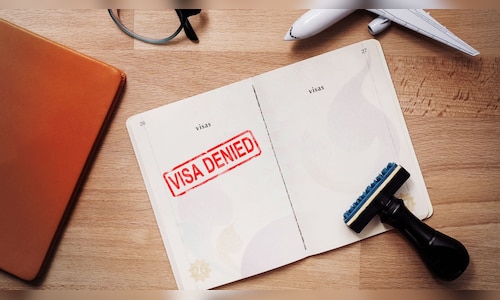
Foreign nationals with health conditions may be denied US visas

US visa for foreign nationals get tougher, health conditions like obesity, diabetes could reduce chances of approval