

Archive · 21 Jul 2026
Fatty Pancreas Disorder Recognized as Distinct Disease
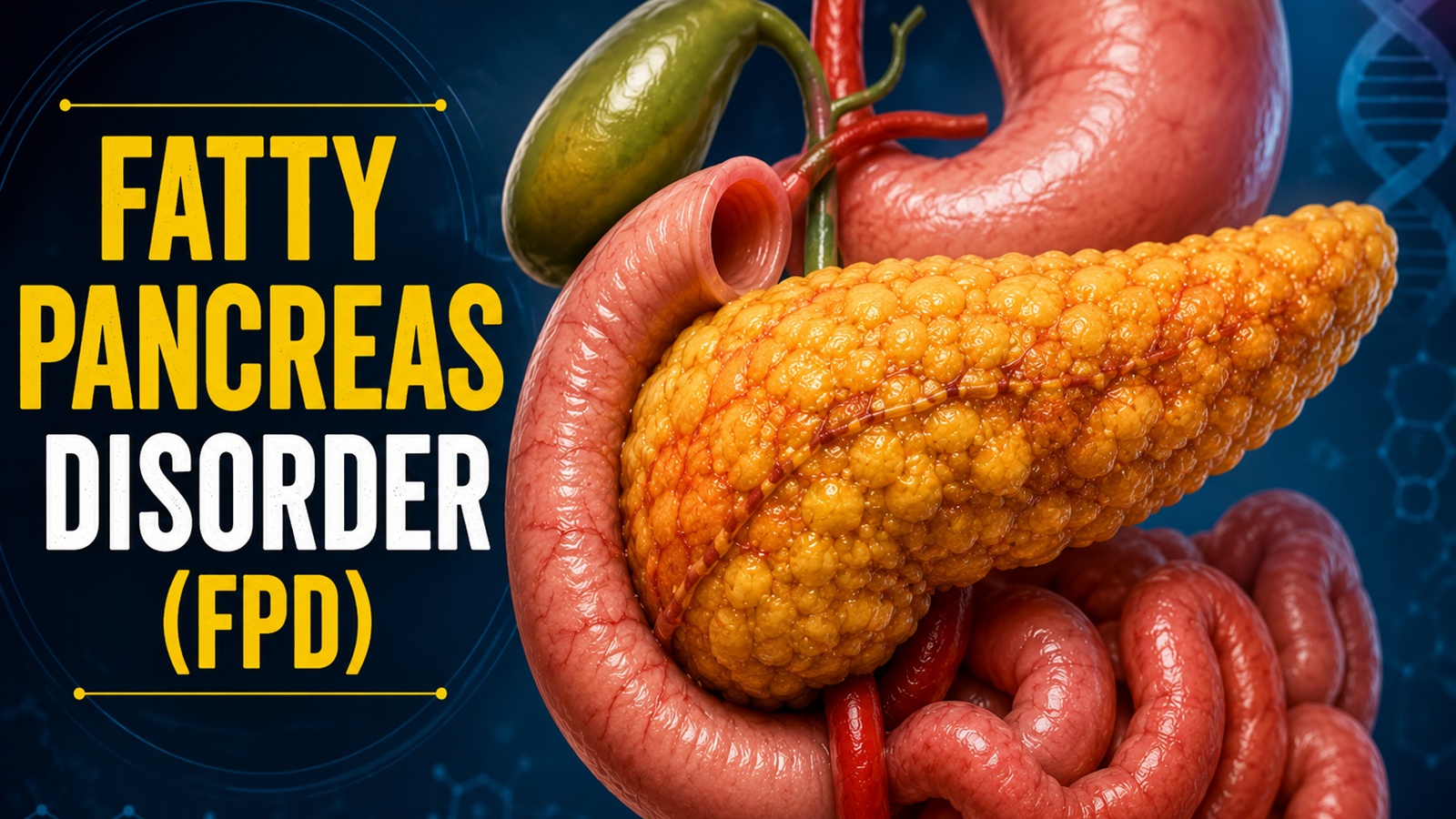
Fatty Pancreas Disorder (FPD) is a condition where excess fat builds up in the pancreas.
This can harm the cells that produce insulin, making it harder to control blood sugar and increasing the risk of diabetes.
The condition can also lead to pancreatitis and pancreatic cancer if left untreated.
Lifestyle changes such as weight loss, a healthy diet, regular physical activity, and reducing alcohol consumption can help manage and prevent FPD.
Regular check-ups are important for early detection and management.

Fatty Pancreas Disorder (FPD) is a newly recognized distinct disease.
Excess fat in the pancreas can damage the organ and increase the risk of serious illnesses like type 2 diabetes, pancreatitis, and pancreatic cancer.
Risk factors include obesity, genetics, environmental influences, and lifestyle factors.
Diagnosis is often incidental through medical imaging such as ultrasound, CT scanning, or MRI.
Lifestyle changes such as weight loss, a healthy diet, regular physical activity, and reducing alcohol consumption can help manage and prevent FPD.
- Who
- People with excess fat accumulation in the pancreas
- What
- Fatty Pancreas Disorder (FPD)
- When
- Recently recognized as a distinct disease
- Where
- Globally recognized
- Why
- Excess fat accumulation in the pancreas can damage the organ and increase the risk of serious illnesses
Preventative Measures
Medical Intervention
Lifestyle Changes
Preventative Measures
Lifestyle changes such as weight loss, healthy diet, regular physical activity, and reducing alcohol consumption can help manage and prevent fatty pancreas disorder.
Medical Intervention
Medical intervention, including regular check-ups and monitoring, is crucial for early detection and management of fatty pancreas disorder.
- Disease Name
- Fatty Pancreas Disorder (FPD)
- Primary Function of Pancreas
- Digestion and blood sugar control
- Risk Factors
- Obesity, genetics, environmental influences, lifestyle factors
- Potential Complications
- Type 2 diabetes, pancreatitis, pancreatic cancer
- Diagnosis Methods
- Ultrasound, CT scanning, MRI
- Preventative Measures
- Weight loss, healthy diet, regular physical activity, reducing alcohol consumption