10 months ago
Hyderabad Skywatchers Greet Year's Brightest Beaver Supermoon
Imagine the moon is like a ball in the sky.
Sometimes, the moon gets closer to us while it's also a full moon.
This extra close and full moon looks bigger and brighter, and people call it a supermoon.
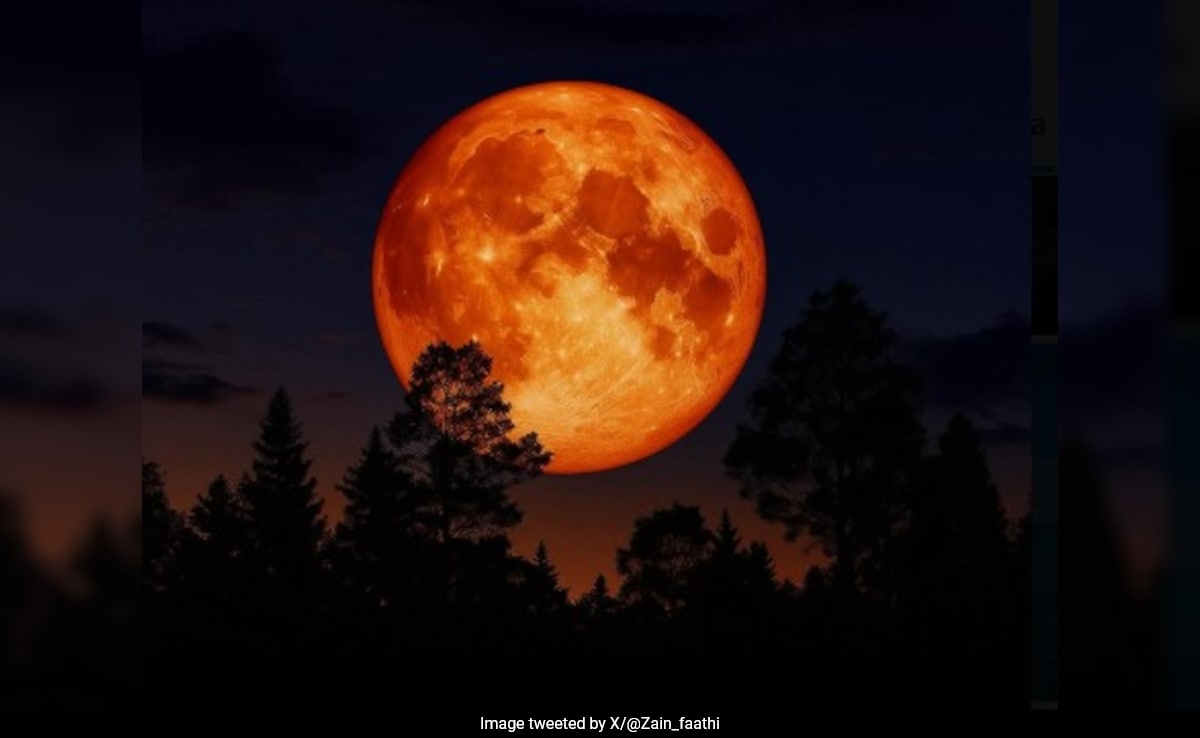
On November 5th, the moon was super close and super bright, and it's called the Beaver Moon!
People in Hyderabad got together to watch it rise.
They used telescopes to see the moon's craters, and even without a telescope, it looked amazing.
Events like this make people excited about stars and planets.
The next supermoon like this won't be seen in India until 2026!

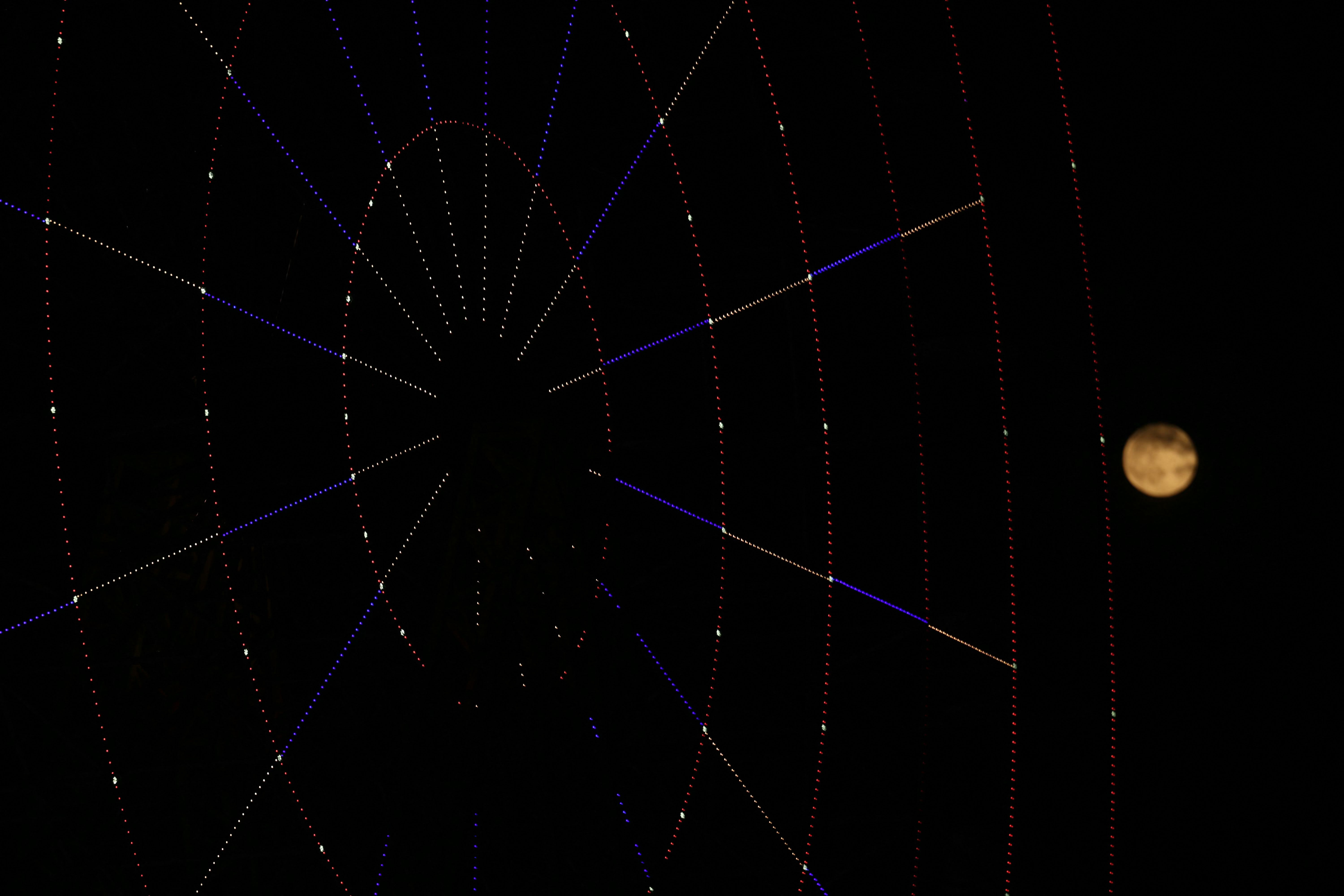
Hyderabad skywatchers gathered to observe the year's largest and brightest supermoon, the Beaver Moon, on the evening of November 5.
The supermoon appeared about 8% larger and 16% brighter than an average full moon due to its proximity to Earth.
The moon reached its perigee, its closest point to Earth, at 3:57 PM IST on November 5, at a distance of approximately 356,900 km.
Clear skies in Hyderabad facilitated favourable viewing conditions, with events organized by astronomy clubs and at educational institutions.
Such celestial events are seen as opportunities to renew public interest in astronomy and serve as an entry point for science education.
- Who
- Astronomy clubs, enthusiasts, children, families, students, and faculty in Hyderabad
- What
- Witnessing the year's largest and brightest supermoon, known as the Beaver Moon, which occurred when the moon reached its closest point to Earth (perigee) while full.
- Where
- Across Hyderabad, with specific viewing locations including the University of Hyderabad's School of Physics, Jubilee Hills, Necklace Road, Rachakonda, Gachibowli, and the Nandivada Ratnashree Observatory.
- When
- The evening of November 5, 2025, with the moon reaching perigee at 3:57 PM IST and rising around 6:49 PM IST.
- Why
- To observe the celestial event of the Beaver Supermoon, which occurs when the full moon coincides with its closest approach to Earth, and to foster public interest in astronomy and science education.
Supermoon Observation
Supermoon Observation
Visibility and Appearance
Supermoon Observation
Visible to the naked eye, appearing about 8% larger and 16% brighter than an average full moon.
Supermoon Observation
Visible to the naked eye, the difference in brightness is striking. Craters are visible through telescopes.
Key facts
- Supermoon Peak Time (Perigee)
- November 5, 3:57 PM IST
- Moonrise Time
- November 5, 6:49 PM IST
- Distance from Earth
- Approximately 356,900 km (closest of 2025)
- Viewing Conditions
- Clear skies in Hyderabad
- Next Supermoon Visible from India
- September 2026
Timeline
Earth cast a shadow on the Moon.
Then, a 'Blood Moon' appeared.
The Harvest Supermoon also shone brightly.
Later, the Beaver Moon reached perigee.
Finally, the brightest Beaver Supermoon amazed viewers.
Quotes
Samarth
a member of a city-based astronomy club
“Tonight’s moon is one of the closest of 2025. Even to the naked eye, the difference in brightness is striking.”
 deccanchronicle.com
“When people gather to watch, it becomes an entry point for science education outside classrooms.”
deccanchronicle.com

Dilip Kumar
a member of the school of physics at the University of Hyderabad
“It’s rare for perigee and a full moon to coincide this precisely. We’ve been tracking its approach since the afternoon.”
deccanchronicle.com
Annie Harriet
an eight-year-old from Lakdikapul
“It looks so big, like it’s coming toward us!”
deccanchronicle.com
Harshit V.
a student
“see the craters more clearly than usual”
deccanchronicle.com
Sources
Skywatchers Gather for Beaver Moon

Look how they shine for you! From meteor showers to rare planetary views - November celestial events you can't miss
Beaver Supermoon on November 5: UAE to witness the biggest, brightest full moon of the year