

Archive · 1 Oct 2025
India's Colonial-Era Prisons: Overcrowding and Reform
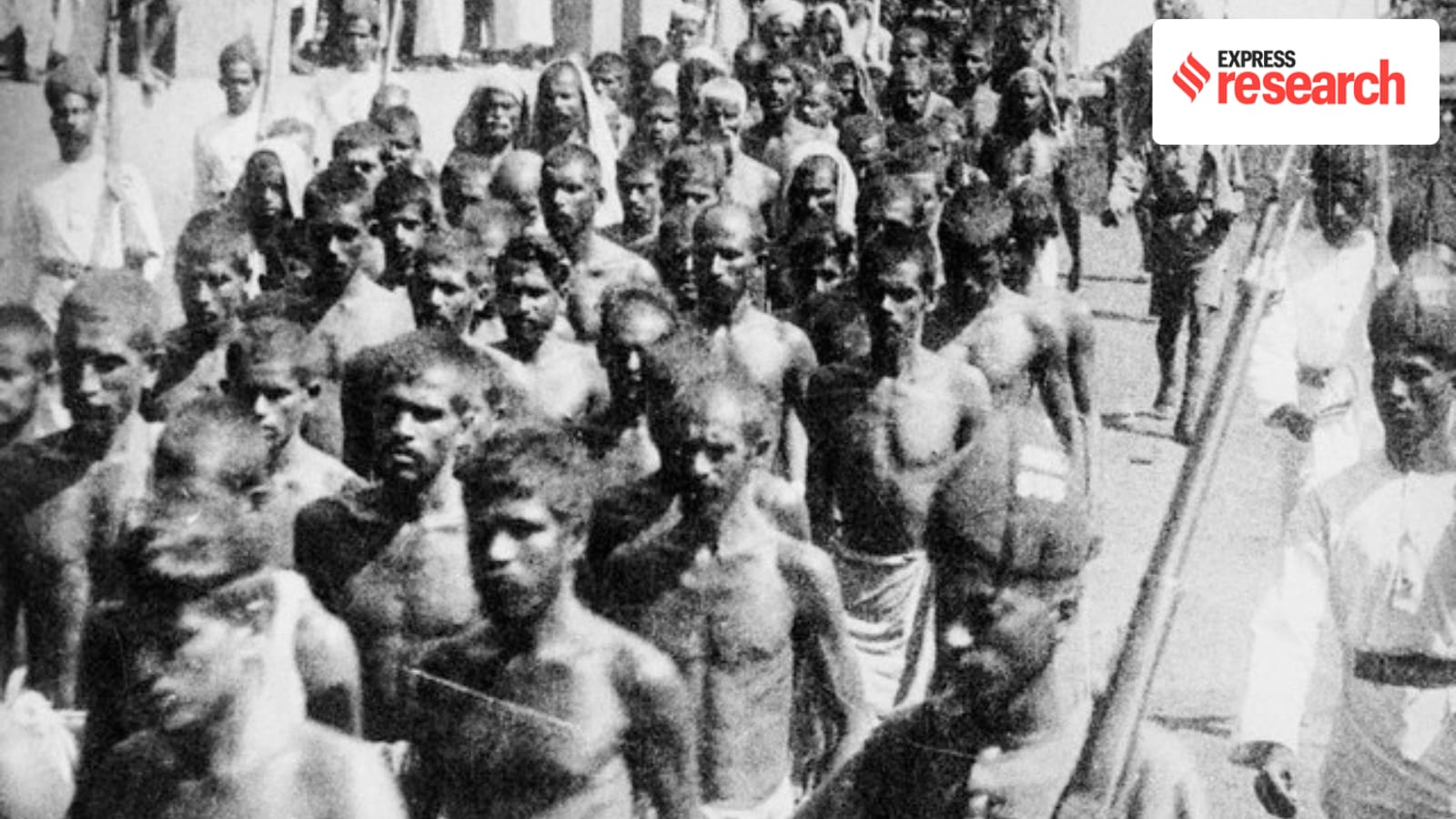
Imagine jails, but with a long history!
Before, people were punished in different ways, but the British started using jails more.
They built big prisons and even sent people far away to a place called Kala Pani.
Over time, the way we think about punishment changed.
Now, India still uses some old prison rules.
Prisons are often too full, like a crowded school, and need to improve.
There are plans for new rules that help prisoners learn and get better.
There's talk of open prisons, like a village where people can live with their families and work, and reduce the desire to escape or rebel.

The British established a penal colony in the Andaman Islands (Kala Pani) after the 1857 uprising.
Before the British, punishments included public shaming and fines.
The British East India Company introduced imprisonment as a common punishment.
Indian prisons today largely operate under the colonial-era Prisons Act of 1894.
Overcrowding and lack of facilities are significant challenges in modern Indian prisons.
- Who
- British East India Company, Indian prisoners, and the Indian government.
- What
- The evolution of India's prison system, from pre-colonial times to the present.
- When
- From ancient India to the British colonial period and modern times.
- Where
- India, particularly the Andaman Islands (Kala Pani).
- Why
- To understand how the British used prisons to manage prisoners, and modern challenges to prison reform.
- Kala Pani
- Penal colony in the Andaman Islands
- Prisons Act
- 1894 (colonial-era)
- New Act
- Model Prisons and Correctional Services Act (2023)
- Overcrowding
- Key challenge in Indian prisons today
- Undertrials
- Around 70% of inmates