1 hr ago
Trump Tariffs Raise Factory Costs and Midterm Political Risks
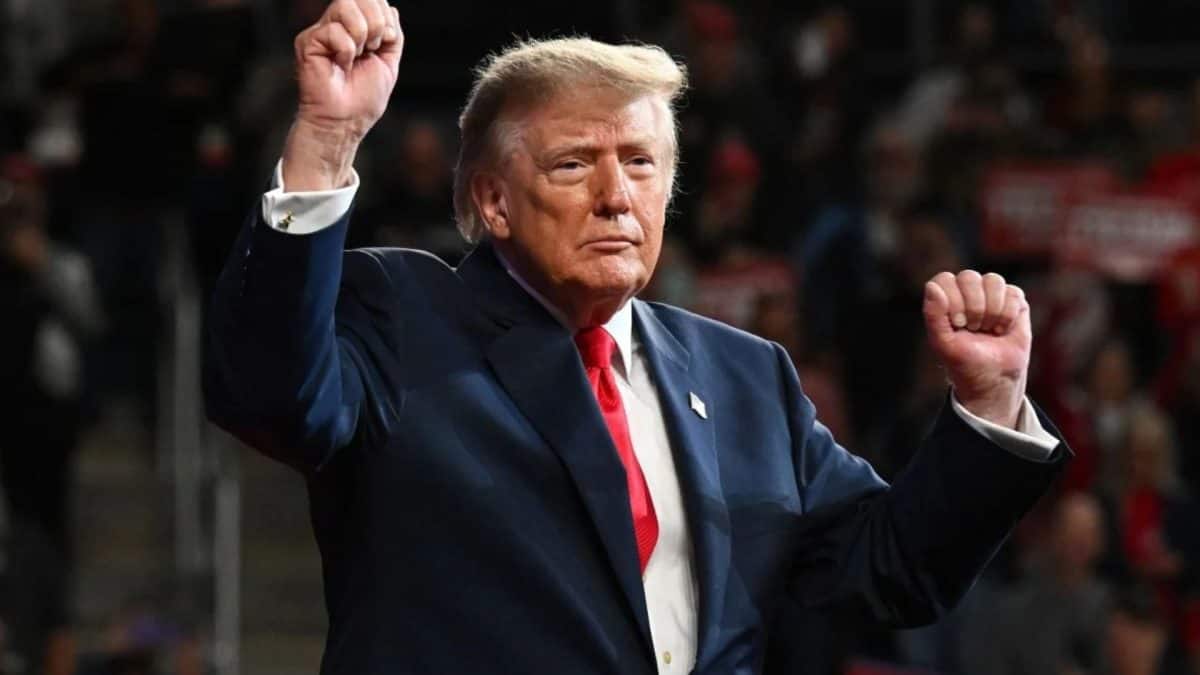
President Trump says tariffs can help bring more factory work to the United States.
Tariffs are extra charges on some goods coming from other countries.
Some manufacturers say those charges make materials and shipping more expensive.
Several companies mentioned in the report have cut jobs or changed their plans.
Other businesses may benefit because imported competitors face higher costs.
The White House says factory building and manufacturing output are increasing.
Many adults disapprove of Trump's trade policies, according to polls cited in the article.
The effects could matter in the November 3 elections, but the article says the political result is uncertain.

Manufacturers say tariffs have raised costs for imported materials and added uncertainty to business plans.
The article reports layoffs and factory closures in Michigan, Iowa, Kansas, and Pennsylvania.
Shapes Unlimited CEO Doug Rende said tariffs added $4.5 million to $5 million in expenses this year.
More than 64% of US adults surveyed said Trump had gone too far with his latest tariffs.
The White House says manufacturing output has increased and factory construction could support future jobs.
- Who
- US manufacturers, factory workers, President Donald Trump, and Republicans facing the midterm elections.
- What
- Tariffs are raising costs and contributing to business uncertainty and reported job cuts, while the administration says its policies will rebuild manufacturing.
- Where
- United States, with examples from Ohio, Michigan, Iowa, Kansas, and Pennsylvania.
- When
- Ahead of the November 3 midterm elections; Trump returned to the White House in January 2025.
- Why
- Tariffs on imports have raised costs for some businesses, while the administration argues they will help domestic manufacturing in the longer term.
Critics cite costs and job losses
Administration says manufacturing will recover
Effect of tariffs on manufacturing
Critics cite costs and job losses
Manufacturers and workers described higher costs for imported materials, disrupted plans, layoffs and uncertainty; some said the policy was not bringing enough jobs to their areas.
Administration says manufacturing will recover
The White House said manufacturing output has increased and argued that factory construction will support more manufacturing jobs when new facilities begin operating.
Long-term economic impact
Critics cite costs and job losses
Some businesses and regional representatives said tariffs, alongside other pressures, were negative overall and had led some firms to lose customers or downsize.
Administration says manufacturing will recover
Economist Ernie Goss said manufacturing difficulties may not automatically translate into Democratic wins, as some voters still believe tariffs could produce results over time.
Key facts
- Midterm election date
- November 3; the article does not specify the year.
- Public opinion on tariffs
- More than 64% of US adults said Trump had gone too far with his latest tariffs, up from 58% in January.
- Trade approval
- About three in 10 adults approved of Trump's handling of trade negotiations in September, down from four in 10 in March.
- Shapes Unlimited costs
- CEO Doug Rende said tariffs added an estimated $4.5 million to $5 million in expenses this year.
- Ohio export exposure
- Canada accounts for about a third of Ohio's exports.
- Reported job cuts
- The article reports nearly 200 layoffs at Howard Miller, 200 job cuts at Winnebago Industries, and more than 70 layoffs at Vornado Air.
- Manufacturing employment
- The article says the United States added some manufacturing jobs this year, but the sector had fewer employees than when Trump took office.
Quotes
Taylor Rogers
White House spokeswoman
“Factory construction jobs of today mean more manufacturing jobs down the road once those factories come online”
 firstpost.com
“It's been difficult for businesses to manage”
firstpost.com
Sources
Related news
Trump Tariffs Lose Working-Class Support as Prices Rise
Why a Democratic House May Not Ease Trump's India Tariffs
Trump Promotes Tariffs, Trucking Growth During Texas Campaign
Trump Economic Approval Hits Low as Voters Blame Policies
Living Costs Put Trump’s Economy to the Midterm Test