

Archive · 9 Nov 2025
Cynthia Ozick's 'The Shawl' and its Relevance to Current Events
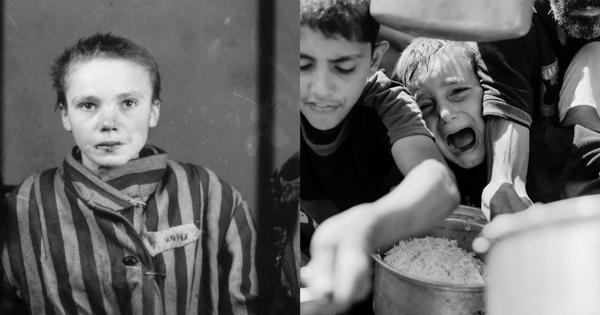
Imagine a story about a terrible time called the Holocaust when bad people hurt many others.
This story, called 'The Shawl,' is about a mother named Rosa and her baby Magda hiding in a concentration camp.
The baby is kept safe in a shawl, but sadly, she is discovered and dies.
Another part of the story is about Rosa after the war, still very sad and angry, thinking about her lost daughter and disliking the person who she thinks is responsible for her suffering.
The writer of the article feels that this old story is like looking in a mirror today because it shows how people who have suffered can sometimes do similar bad things to others.
It makes us wonder if people will ever stop hurting each other, or if history will just keep repeating itself.

Cynthia Ozick's novella 'The Shawl' depicts the horrors of the Holocaust through the story of Rosa, her hidden baby Magda, and niece Stella in a concentration camp.
The first part, 'The Shawl,' focuses on the brutal conditions and the tragic discovery of baby Magda.
The second part, 'Rosa,' portrays the protagonist years later in Miami, consumed by bitterness and hatred stemming from her wartime experiences.
The article suggests that the novella's themes of suffering and dehumanization resonate with contemporary conflicts, drawing parallels to the situation in Gaza.
Ozick's work is presented as a timeless reflection on humanity's capacity for cruelty and the cyclical nature of violence.
- Who
- Cynthia Ozick (author), Rosa (character), Magda (character), Stella (character), Simon Persky (character)
- What
- Analysis and thematic relevance of Cynthia Ozick's Holocaust novella 'The Shawl', highlighting its depiction of Nazi oppression and its perceived parallels to current events.
- When
- The novella is set during the Holocaust and its aftermath; the article discusses its relevance in the present day, particularly during Israel's assault on Gaza.
- Where
- The novella is set in a Nazi concentration camp and post-war Miami; the article draws parallels to current events in Gaza.
- Why
- The article explores how the novella's themes of suffering, dehumanization, and the cyclical nature of violence remain relevant, prompting reflection on humanity's capacity for cruelty and the lessons learned (or not learned) from historical atrocities.
The Text as a Holocaust Reflection
The Text as a Parallel to Current Events
Primary Focus of the Novella
The Text as a Holocaust Reflection
The novella is primarily a triumphant vignette of Nazi oppression during the Holocaust and its undiminished legacy.
The Text as a Parallel to Current Events
The novella serves as a mirror to current events, drawing parallels between Holocaust atrocities and contemporary situations like the conflict in Gaza.
Interpretation of Rosa's Disdain for Palestine
The Text as a Holocaust Reflection
Rosa's musings about Stella being sent to Palestine are seen as a part of her dehumanization to preserve pride and delusions of European superiority.
The Text as a Parallel to Current Events
Rosa's views on Palestine are presented as a troubling foreshadowing of how victims of genocide might perpetuate similar atrocities.
Thematic Resonance Over Time
The Text as a Holocaust Reflection
The story's enduring power lies in its depiction of the Holocaust's profound and lasting impact on individuals.
The Text as a Parallel to Current Events
The cyclical nature of violence and suffering is highlighted, suggesting that humanity may be trapped in a repeating curse.
- Author
- Cynthia Ozick
- Original Publication Dates
- The New Yorker, 1980 ('The Shawl'), 1983 ('Rosa')
- Novella Publication
- W&N edition, 1989
- Page Count
- Less than 70 pages
- Setting of 'The Shawl'
- A concentration camp during the Nazi occupation
- Setting of 'Rosa'
- Miami, Florida (post-war)